Mongolia will transfer security forces to areas at risk of bear attacks
Mongolian authorities have ordered to send to areas where there is a risk of bear attacks on people, military, police, environmental inspectors and professional hunters, Mongolia’s state news agency Montsame wrote, citing a statement by Prime Minister Nyam-Osoryn Uchral.
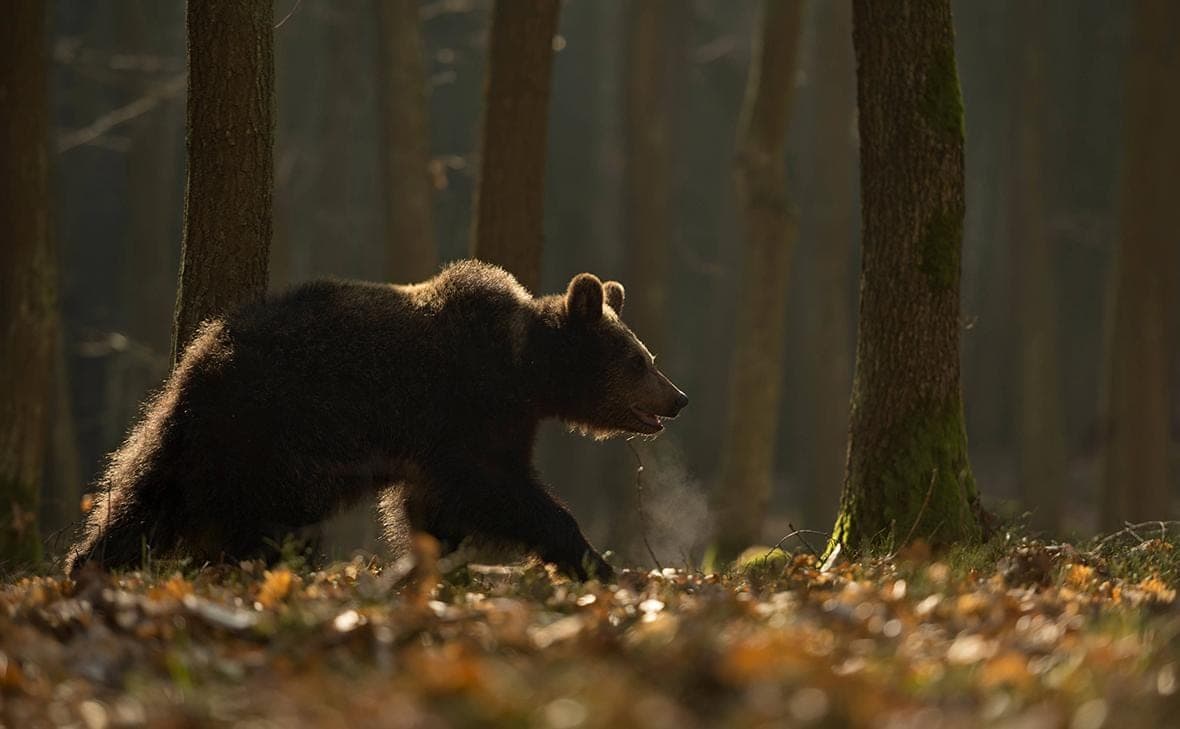
Mongolian authorities have ordered to send to areas where there is a risk of bear attacks on people, military, police, environmental inspectors and professional hunters, Mongolia’s state news agency Montsame wrote, citing a statement by Prime Minister Nyam-Osoryn Uchral.
He instructed the Ministry of Environment and Climate Change and other relevant agencies to immediately take measures to protect the population.
“We do not have the luxury of discussing a change in legislation where bears take human lives. Before amending the laws, we must protect citizens within the current legal framework, the head of government said.
The decision was made after the tragedy in the Bayanzurkh district on the outskirts of Ulaanbaatar. According to police, on the night of October 8, a bear entered a residential building, killed a 40-year-old man and seriously wounded a 55-year-old woman.
Earlier, the country allowed the shooting of 27 brown bears in eight aimaks (provinces) and the capital. At the same time, killing cubs and females with cubs is prohibited.
In addition, the government has allocated 1 billion tugriks (about 277,000 US dollars) for the purchase of equipment, drugs and means for remote euthanization of bears.
More than 3.44 thousand bears have been shot in Russia since the beginning of 2026. In September, due to the frequent exits of predators to people, a high alert regime was introduced in 11 districts of Tuva, in Ust-Ilimsk and several cities of Kuzbass.
As previously explained to RBC ecologist and public figure Yaroslav Ditsevich, bears began to come out to people more often because of the lack of natural food – in search of food, they approach settlements.