
The Ministry of Finance proposed to exclude four metals from the tax on super-income
The Ministry of Finance proposed to exclude the extraction of four metals from the tax on superprofits, since they are almost not exported and are used mainly to fulfill the state defense order
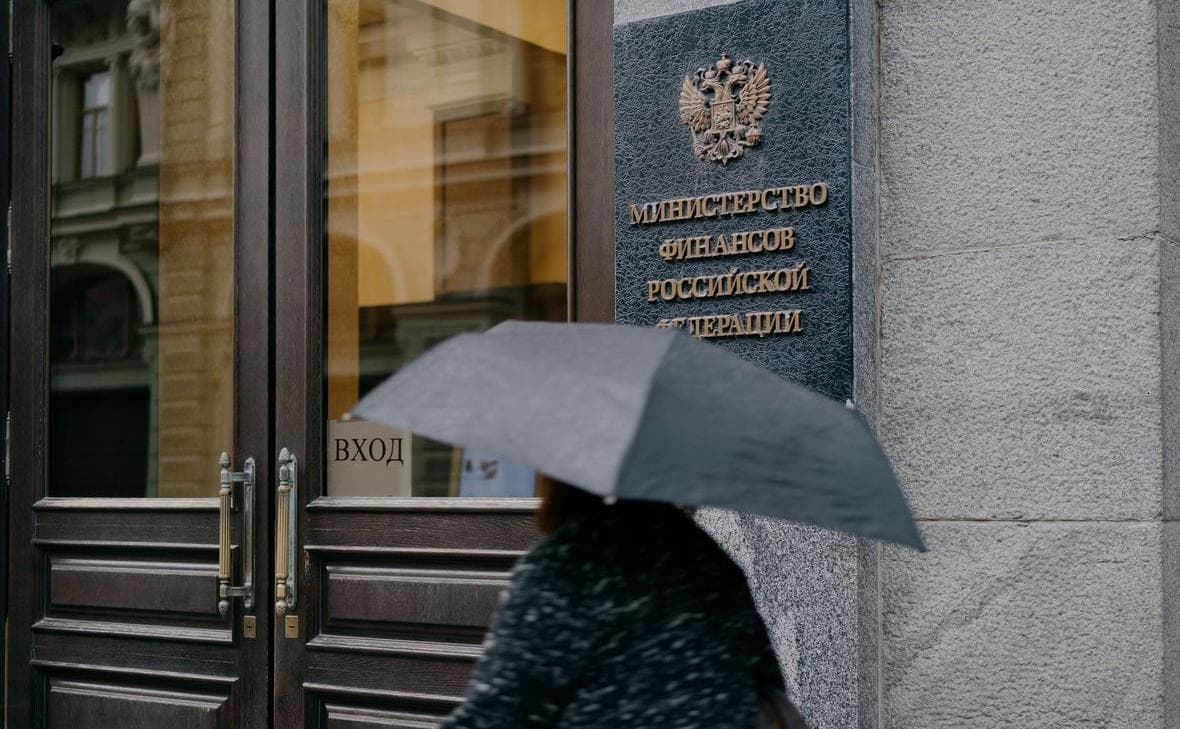
The Ministry of Finance proposes to exempt the extraction of manganese, chromium, tungsten and molybdenum from the tax on super-incomes. This was reported by the State Secretary – Deputy head of the department Alexei Sazanov, reports TASS.
“According to the results of discussions in the government, we propose to exclude manganese, chromium, tungsten and molybdenum from the super-income tax,” he said, adding that the minerals in question are practically not exported and are mainly used to fulfill the state defense order.
The Agency also did not support the proposal to extend the tax on excess income to banks, microfinance organizations (MFIs) and organizers of gambling. Sazanov explained that the bill concerns additional income from the growth of world prices for extracted minerals, which is why other activities are not included in its subject. “Accordingly, we cannot support these amendments now,” he said,
Sazanov also recalled that the taxation of gambling business has recently been revised.
In September, the Ministry of Finance proposed to introduce a fee from superprofits for a number of companies of mining, metallurgical and gold mining complexes. According to the initiative, individual mining companies were planned to charge 30% of additional income received in 2026 due to the growth of world prices for solid minerals compared to the level of 2025. For gold miners, the rate should be 20%. The tax is proposed to be levied in 2027-2029
The Ministry of Finance explained the initiative by a sharp increase in world prices for certain types of products of rental industries, including precious and non-ferrous metals, as well as fertilizers. According to the Agency, this led to an increase in rental income of companies. The introduction of the fee, as noted by the Ministry of Finance, was to strengthen the revenues of the budget system.
Already in October, the State Duma adopted in the first reading a bill on the tax on super-incomes for mining and metallurgical companies. According to the initiative, the collection from superprofits was to be extended to the extraction of a wide range of minerals. It included commercial ores of ferrous metals, including manganese and chromium, as well as non-ferrous ones - among them tungsten and molybdenum. In addition, the list included complex ores, mining and chemical raw materials and semi-products containing precious metals.
“The implementation of the provisions provided for by the bill will ensure additional revenues to the federal budget by withdrawing part of the additional revenues of organizations engaged in mining, arising as a result of favorable conditions in world markets,” the explanatory note says.
According to the Finance Ministry, the tax should bring the budget 683 billion rubles. for three years. According to RSPP estimates, with the same macroeconomic prerequisites, total revenues from NSD can amount to about 1.1 trillion rubles, that is, about 1.6 times more than the estimate of the Ministry of Finance.


