
Young parents began to introduce children to bank cards earlier
Nearly one in two parents whose child uses a bank card and online bank gave them access to these tools between the ages of 8 and 10.
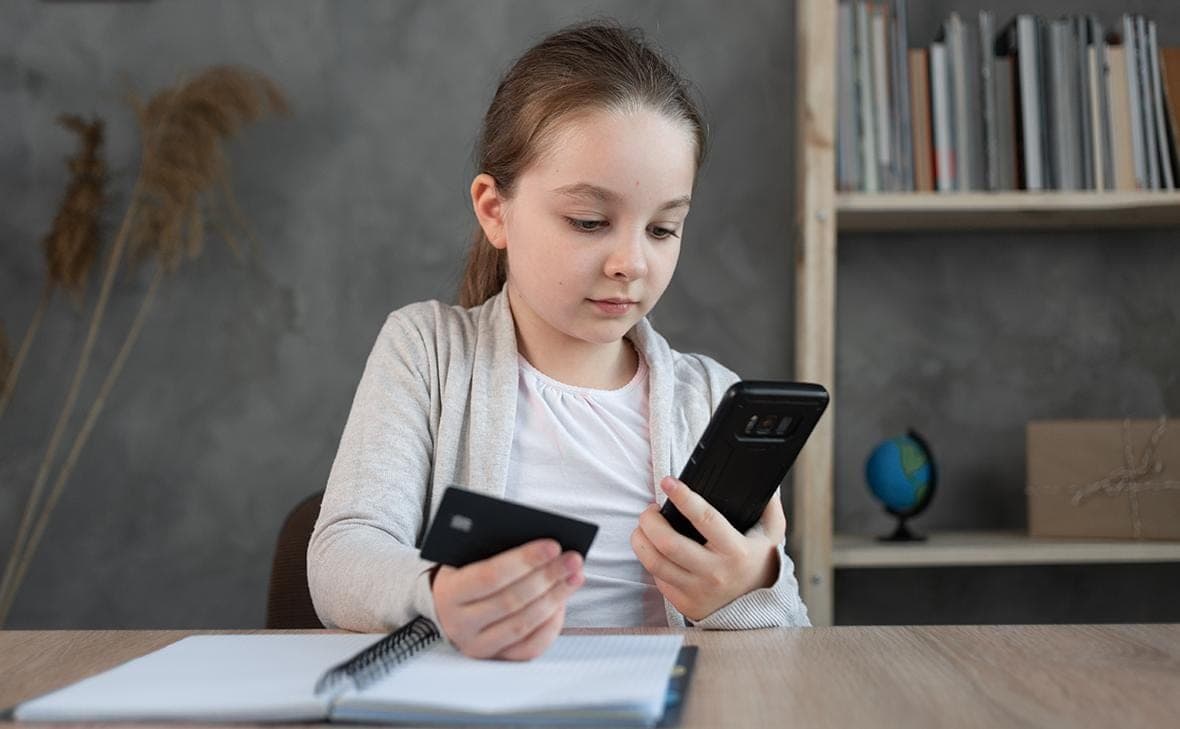
Nearly one in two parents whose child uses a bank card and online bank gave them access to these tools between the ages of 8 and 10. This follows from the results of the VTB survey, which RBC has.
The study involved 1,000 parents of children aged 6 to 14 years.
Among parents aged 25-34, 48% provided their children with a card and access to an online bank between the ages of 6-7. On average, among the respondents, this figure was 28%.
62% of parents surveyed have at least one child aged 6-14 using a children's bank card. Children’s banking application is used in every third family surveyed. The main reasons for opening a card and access to an online bank were the opportunity for a child to make purchases on his own (58%) and learn how to handle money (55%). There were several options for answering.
According to the study, for the first nine months of 2026, children aged 6-8 made an average of six purchases per month with an average check of about 1,300 rubles, and children aged 9-13 - 11 purchases with an average check of about 2000 rubles. The main expenses fall on grocery stores, supermarkets and cafes, and for older children, the top 5 also include marketplaces and public transport.
In the fall of 2026, VTB launched a children’s bank that allows parents to set daily and monthly limits, limit transactions and see the history of a child’s expenses.
In August 2025, Russia banned issuing bank cards or opening accounts to teenagers aged 14-18 without the consent of parents or guardians. From July 1, 2026, banks are obliged to provide information on the accounts and deposits of citizens of this age group to parents or guardians.


