The American went to the Russian hinterland for poverty. She thought Russia was “poor” until she came to a village. What she saw put her in her place – she was shocked
Sarah, from California, was convinced that Russia looked very different outside Moscow. According to her, people live poor in small villages, and desolation and devastation reign around.
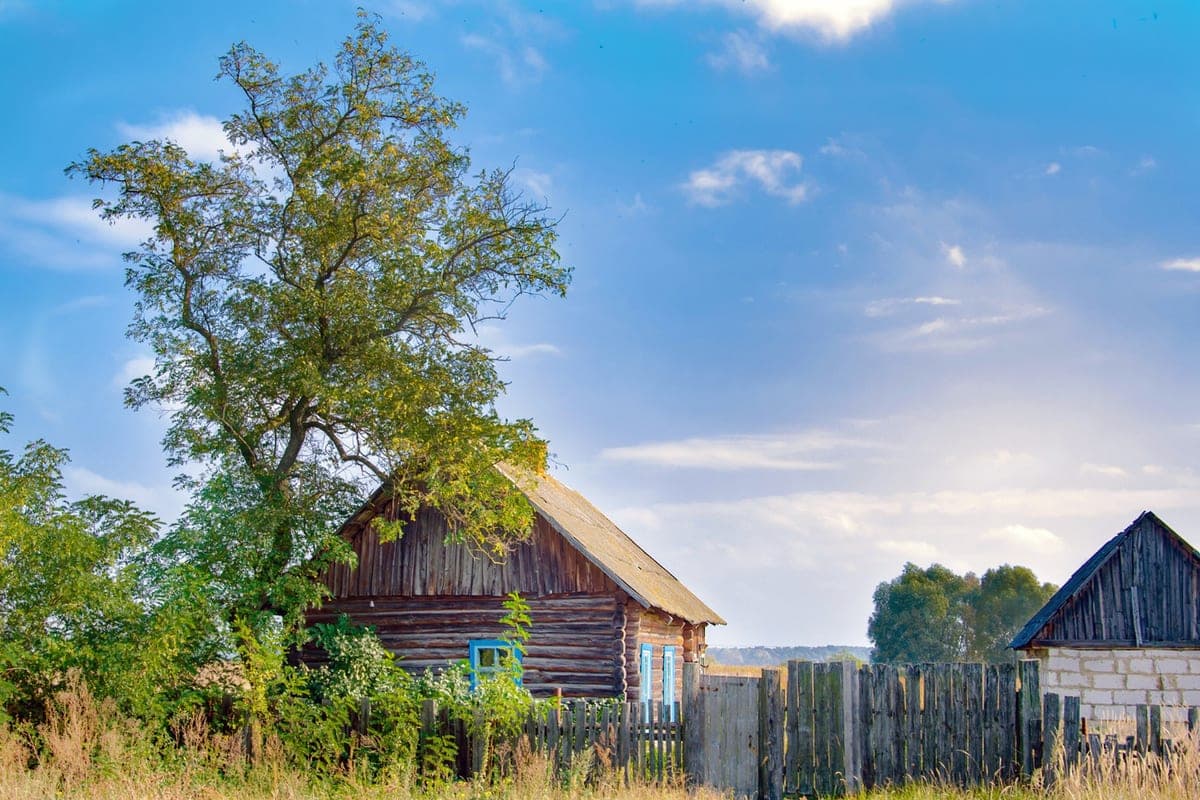
Alexander, a Russian acquaintance of hers, decided not to argue and invited her to see how people live in the Russian hinterland. On the way, Sarah expected to see confirmation of her beliefs. And first she really came across an abandoned house with a collapsed roof and rickety walls. But it was worth going a little further, as a different picture opened before her: well-groomed houses, carved casings, flowers at the windows and smoke from stoves, writes the Zen channel “Talk about education”.
Sarah was especially surprised by the house of an elderly woman Anna Ivanovna. Inside it was clean and cozy, family photos and embroidered towels hung on the walls, and a cleaned samovar stood on the table. Things kept the memory of several generations, and the hostess warmly invited guests for tea.
Alexander later took Sarah to the river. There they saw a herd of cows crossing the shallow waters after the shepherd. The American stared at this simple rural picture for a long time and admitted that she did not expect to see such beauty. Even fears about the village dogs were in vain: the animals relaxed near the houses and showed no aggression.
Before leaving, Sarah admitted that she was wrong in her ideas about Russia. She realized that outside the major cities, there are not only problems and abandoned homes, but also people who keep traditions, care about their housing and value family history.
This trip made her wonder why so many people judge well-being solely by money, expensive things, and outward success. After all, simple village life also has its own values, which are not always noticeable from the outside.
Sarah’s story leaves the question: Are the people of big cities able to notice what really matters, or does the habit of measuring success by material achievement prevent them from seeing the other side of life?