
Apocalyptic Super El Niño map reveals mass death sites from record-breaking disaster
Apocalyptic Super El Niño map reveals where most people will die from this record-breaking natural disaster
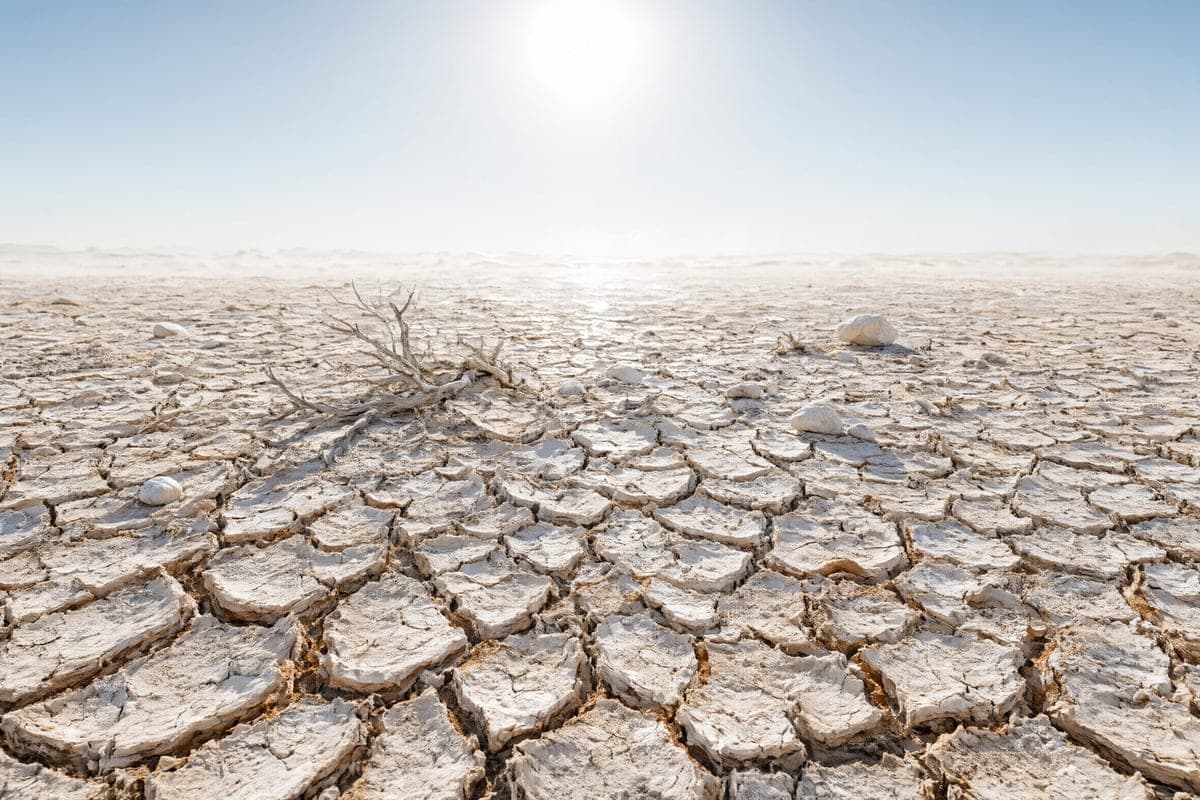
According to an apocalyptic cartography dubbed “Tracking Deaths from El Niño Heat,” more than 373,000 more people will die between October 2026 and March 2026, with a third of the total deaths coming from Nigeria, India and Brazil.
This is due to the fact that an abnormal weather system, measured by sea surface temperature, led to the fact that the water temperature in the East-Central Pacific Ocean for the week from October 18 to 24 exceeded the norm by 3.4 degrees.
According to the World Meteorological Organization, due to this phenomenon, the air temperature between November and January can rise by more than six times compared to the usual El Niño.
To determine how devastating the effects would be, the team estimated the number of additional heat-related deaths caused by the current El Niño compared to the average conditions from 1996 to 2005. The study covers approximately 3,700 regions worldwide and is updated monthly with forecasts for the next six months.
According to the map, El Niño will lead to an additional 857,400 heat-related deaths from the start of the phenomenon in June 2026 to March 2027, up 350,000 from what scientists predicted just a month ago.
Over the next six months, more than half of the total deaths in the nine months are expected to occur. The heatwave is forecast to hit Nigeria, where more than 56,000 people are projected to suffer during the period. Next, according to the model, is India, where 55,200 people are expected to be at risk. The top five are Indonesia (29,300), Brazil (19,500) and Sudan (14,700).
Using this map, researchers will be able to assess where the phenomenon is most serious and how governments can respond to mitigate the damage.
“Our study leverages new predictive capabilities to answer one of the most pressing questions we face: ‘Where can extreme heatwaves lead to deaths?’” said Michael Greenstone, co-founder of the Climate Impact Laboratory and Distinguished Professor of Economics at the University of Chicago. The ability to anticipate the deadly effects of extreme heat is an important step forward.
This means we can identify where people are most at risk and give decision makers a chance to take action before people die.
Researchers estimate that 484,500 people have died from El Niño since June. Some of the side effects include forest fires in Indonesia, lack of heavy monsoon rains in India and drought in Central America.
In the U.S., meanwhile, western and southern U.S. areas are expected to be hit by fresh storms and rain, while New York is expected to remain surprisingly unscathed.


