
Archaeologists told about new finds in the Vladimir region
The Vladimir-Suzdal Museum-Reserve hosted a conference to present the results of the latest archaeological research in the Vladimir region and neighboring territories
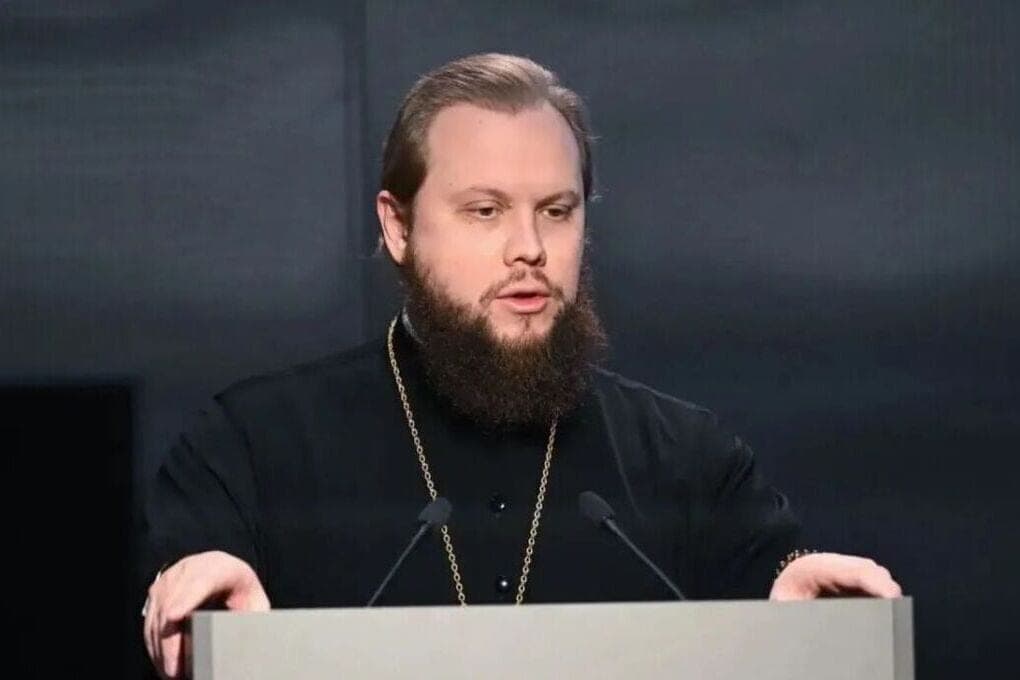
A conference was held in the Vladimir-Suzdal Museum-Reserve, where the results of the latest archaeological research in the Vladimir region and neighboring territories were presented. According to the Vice-President of the Russian Academy of Sciences, Director of the Institute of Archaeology of the Russian Academy of Sciences Nikolai Makarov, the volume of field work in the region is significant: about 200 official permits were issued for excavations.
In recent years, the number of studies has increased. A significant part of them are rescue excavations – works on monuments that are threatened by construction, economic activity or natural processes.
Scientists study archaeological sites in Vladimir, Suzdal and Yuriev-Polish, as well as in the Ivanovo region. Of particular importance are studies in the Gnezdilova of Suzdal Opole, where a few years ago medieval burial grounds were discovered. In Yuryev-Polish excavations helped to clarify the features of the Kremlin and trace the development of the city.
In Suzdal, archaeologists explore the territory behind the shaft of the Okolny city. There were found estates of the urban nobility with finds that allow you to imagine the lifestyle of the upper strata of society. The remains of two necropolises of the XII century were also found.
One of the most significant discoveries of this year was a chamber burial of the X century, found in Gnezdilov. As explained by Nikolai Makarov, earlier such burials were found in the Middle Dnieper, Southern Russia and near Smolensk, in the Gnezdov burial ground. For Suzdal Opole, such a find was the first.
According to the academician, this indicates that already in the second half of the X century, North-Eastern Russia attracted representatives of the elite and was included in the general management system of Russia. The discovery is important not only for archaeology but also for the study of the region's political elevation.
Makarov stressed that the archaeological potential of Suzdal is far from exhausted. Only a small part of the monuments has been explored, and about half of the ancient settlements of Suzdal Opole have not yet been surveyed or even mapped.
Separately, the conference touched upon the issue of creating an archaeological landscape park at the site of the Sungir Park on the eastern outskirts of Vladimir. The idea of museumification of this unique Upper Paleolithic monument has been discussed since Soviet times. In May 2024, a mortgage stone was installed in the Dobro district as a sign of the start of work on the future park.
Nikolai Makarov supported the implementation of the project, noting that it is important to find a suitable way to present the archaeological landscape to visitors. The objects discovered on Sungir can already be seen in the exposition of the Vladimir-Suzdal Museum-Reserve. The atmosphere of the place itself must also be preserved.


