
The Arctic factor and the fate of prices: what awaits the real estate market of the Murmansk region and regions of Russia
The housing market in 2026 finally moved into the mode of point regional dynamics. The period when prices simultaneously rose or fell across the country, left behind: today the trajectory of the cost per square meter directly depends on the specifics of the local economy, the volume of new housing and the availability of specialized credit instruments.
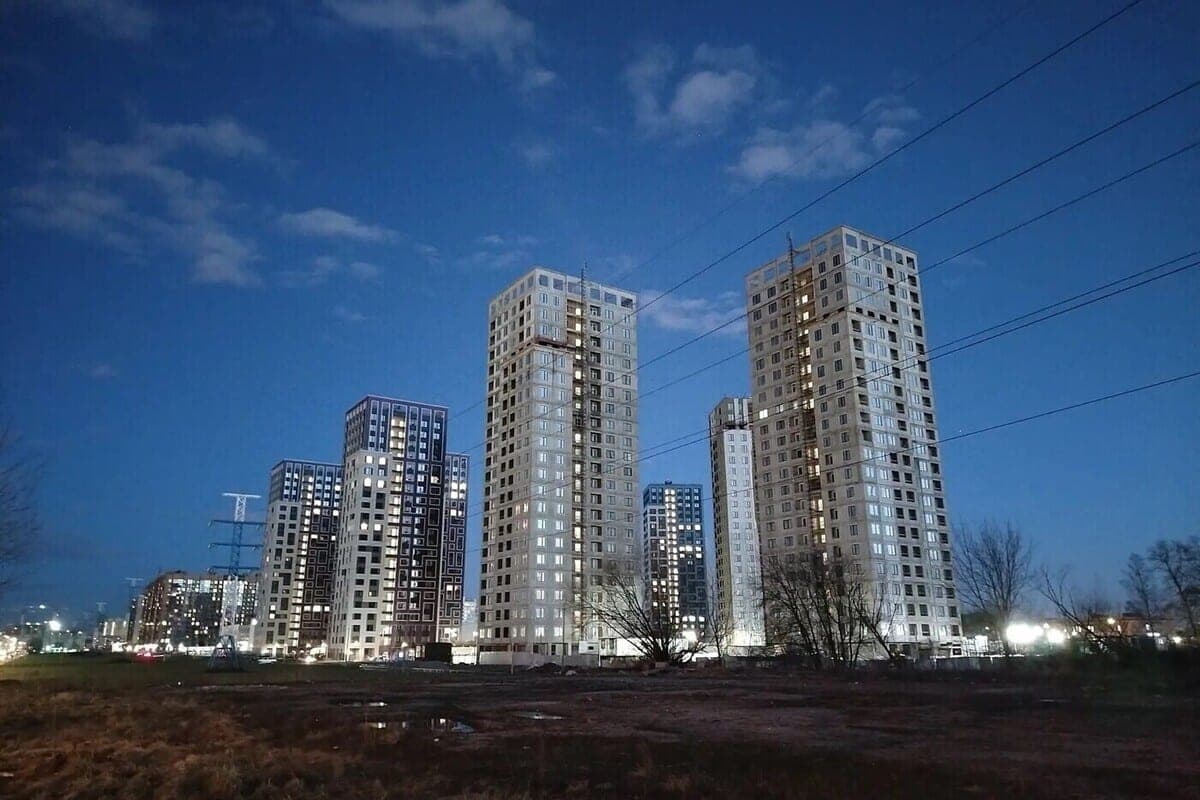
In 2026, the dynamics of housing prices in the Russian regions is largely determined by the availability of preferential mortgage programs. At the same time, lending conditions created a noticeable differentiation between the subjects of the Russian Federation.
In the Far East and in the Arctic zone, including the Murmansk region, there is a separate state program with a rate of up to 2% per annum. The availability of such affordable leverage provides a powerful additional support to demand in the primary market of the Arctic, stimulating developers and buyers. At the same time, family mortgages play a key role in Siberia and the central regions of the country, and any changes in its conditions instantly affect the purchasing activity of citizens.
For this reason, it is incorrect to form a single average forecast for the whole of Siberia or Central Russia today – the real picture consists of the balance of supply and demand in each particular city.
Despite the transformation of the financial market, there are no prerequisites for a massive fall in the cost of primary housing.
“I do not expect a massive decline in prices in the primary market. Rather, in regions with limited demand, developers will be more active in using hidden sales incentives – individual discounts and various installment programs. In cities with stable demand and at the same time limited volume of new supply, prices will continue to grow steadily, says Maxim Morozov.
For northern cities, where the volume of commissioning of modern housing traditionally lags behind the real needs of the population, the shortage of quality sites remains a natural barrier against the cheapening of the “primary”.


