
Astafiy Vetryak: folk customs, prohibitions and omens October 3
In folk tradition, the day of October 3 was called Astafiy Vetryak: at this time, strong winds often blew
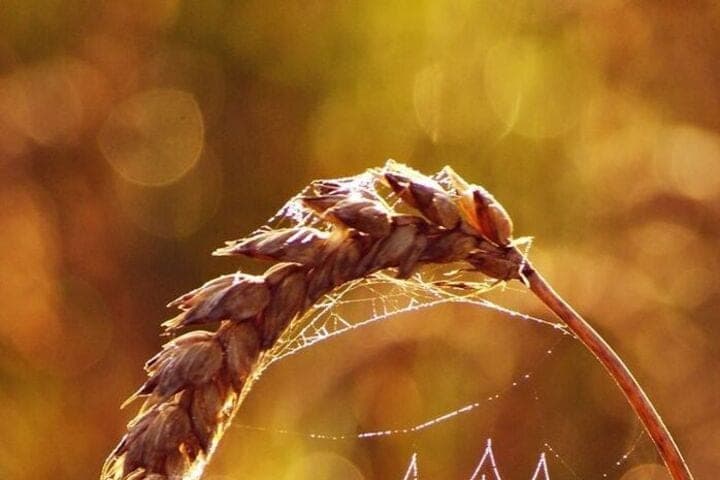
In folk tradition, the day of October 3 was called Astafiy Vetryak: at this time, strong winds often blew. Ancestors believed that the wind on this day has a special power - it is able to "blow off" beauty, bring illness or, conversely, blow out of things failure. Hence the saying: "Everyone blows a windmill." This day was also associated with the festival of millers who worked on windmills, and the beginning of the alloying of bread on water - while the wind filled the sails, and the rivers were not covered with ice.
On this day, it was customary to ventilate clothes and mattresses on the street: people believed that the wind expels disease and failure from things. The hostesses washed windows and mirrors, adding holy water to the water to prevent evil forces from entering the house, and the dwelling itself was fumigated with juniper, St. John's wort or wormwood. Men fertilized the land with manure - it was believed that this would provide a rich harvest. Also on Astafia cut down late cabbage, already touched by frosts: it acquired a special taste. The traditional treat on this day was considered pancakes.
There were also strict prohibitions. It was not recommended to recalculate small money - it threatened financial losses for the whole next year. It was impossible to shake off the water from the hands after washing: according to legend, unclean forces could appear from the drops, so the hands were necessarily wiped dry. It was forbidden to return empty dishes to neighbors - something to eat should be put in it, otherwise the house would be empty. On this day, they did not give or receive gifts, so as not to cause trouble. Girls were not advised to leave the house before noon in a strong wind - it was believed that this way you can lose attractiveness. Also, 13 people did not sit at the table, avoided quarrels and clarifying relationships.
Folk signs helped predict the weather for the rest of autumn and winter. The wind from the south promised warmth, from the west - rain, from the east - clear days, from the north - cold snap. Raw and foggy weather foreshadowed favorable autumn and late snow, and dry - a snowy winter. If the cones on spruces grew low, they waited for early frosts, if high - cold at the end of winter. The flying web meant that the snow would not fall soon.


