
Belarus and Russia agree on integration of information systems within Union State
The Joint Institute of Informatics Problems of the National Academy of Sciences of Belarus (OIPI) and the All-Russian Institute of Scientific and Technical Information of the Russian ...
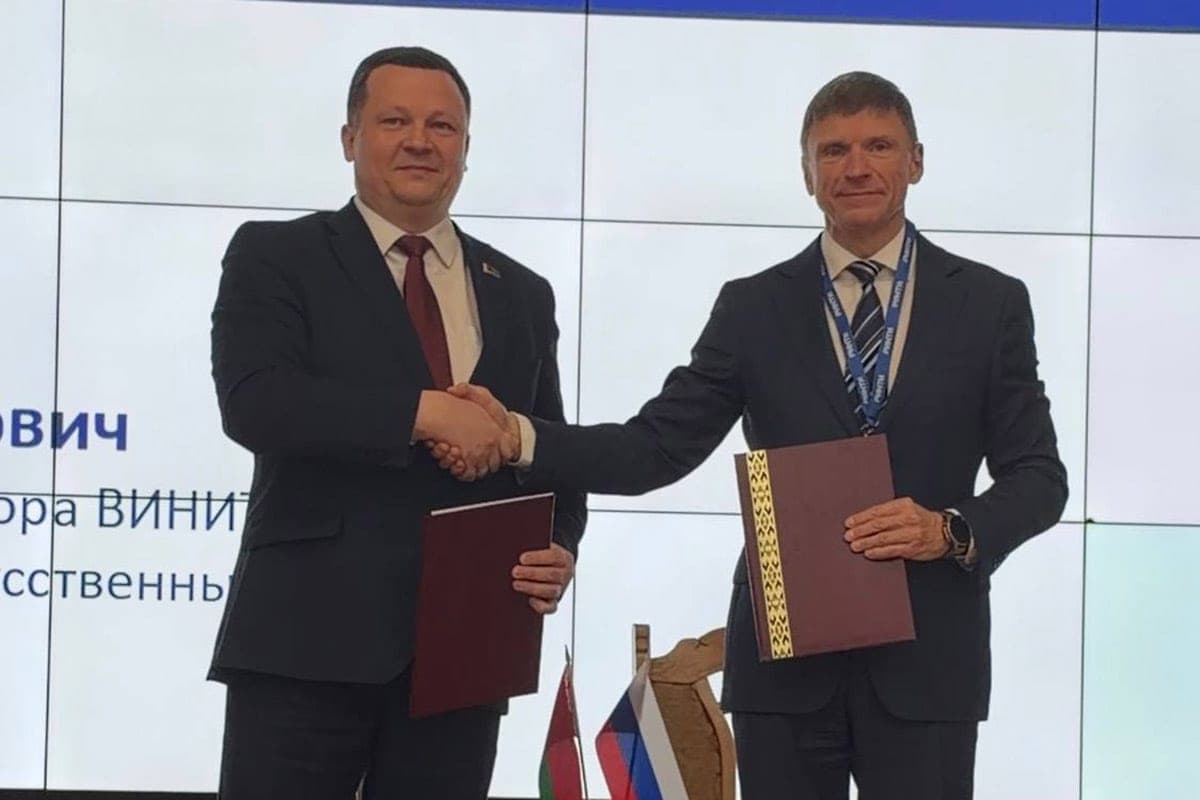
The Joint Institute of Informatics Problems of the National Academy of Sciences of Belarus (OIPI) and the All-Russian Institute of Scientific and Technical Information of the Russian Academy of Sciences signed a cooperation agreement - it is about the integration of information systems. This was reported by sb.by to OPI.
The scientific institution informed:
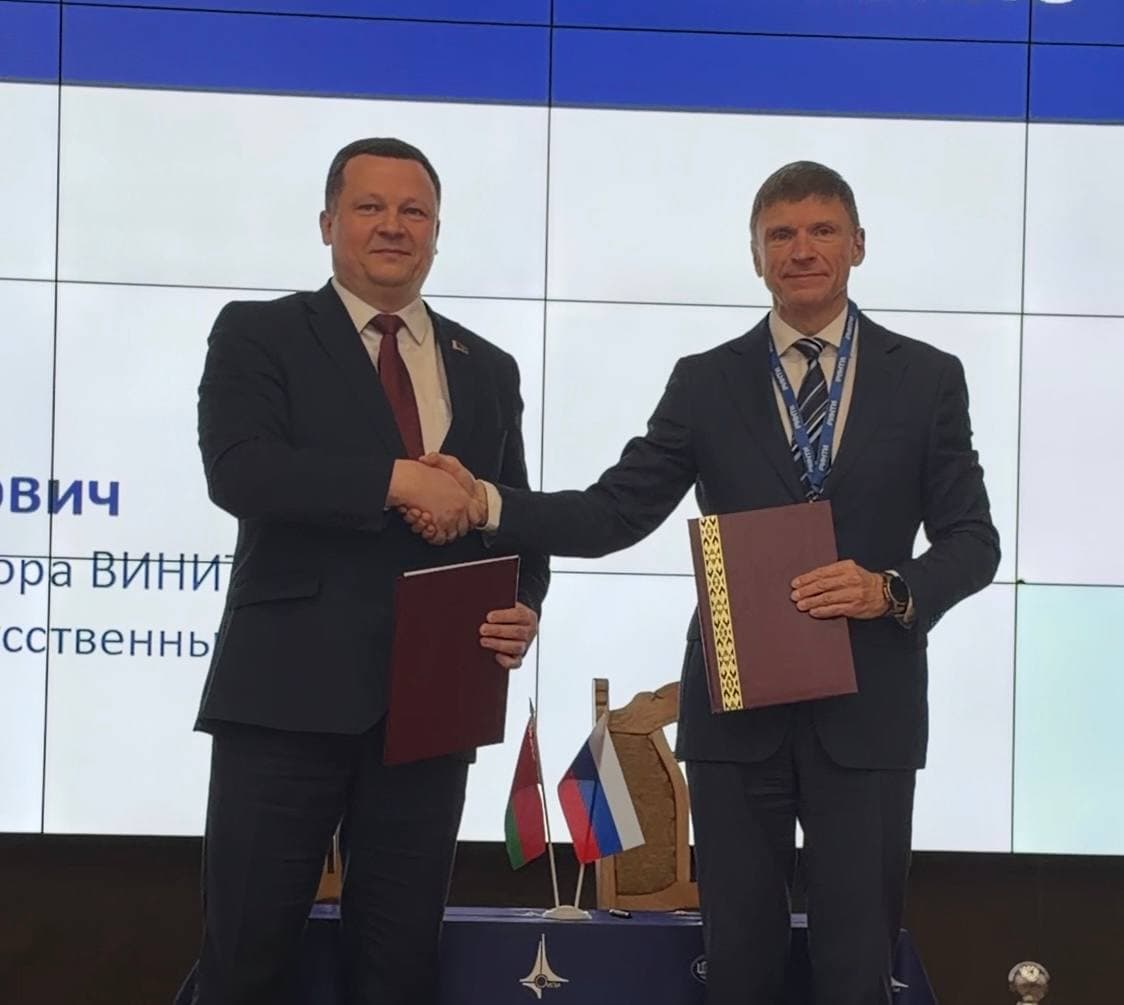
- The agreement was signed on November 19 in Minsk as part of the plenary session of the XXV International Scientific and Technical Conference “Development of Informatization and State System of Scientific and Technical Information” (RINTI-2026). Signatures under the document were put by the Director General of the National Academy of Sciences of Belarus Dmitry Sakharuk and Acting Director of VINITI RAS Sergey Garbuk.
Today, the integration of information systems is considered not as an auxiliary task, but as the foundation for all other areas of scientific and technical cooperation.
- Therefore, the interaction of the two scientific institutions opens up opportunities for systematic joint work in a number of areas, the institute added. The main goal of the partnership is to strengthen the unified scientific and information space of the Union State. By creating common “rails” for the movement of knowledge, Belarus and Russia form a solid foundation for future joint discoveries and technological breakthroughs. JIPI NAS of Belarus is the leading IT center of the country, which not only develops advanced software solutions, but also is the office of digitalization of the National Academy of Sciences. In addition, the Institute is at the origins of the creation of Belarusian electronic libraries, scientific project management systems and national databases.
VINITI RAS is one of the oldest and largest information centers in Russia, with extensive experience in systematization and dissemination of knowledge. His abstract databases and journals have served for decades as the main navigation tool for Russian scientists in the global flow of publications. The activities of the Institute play a key role in the information support of national research programs and the development of domestic digital resources. The NAS of Belarus discussed the introduction of artificial intelligence in science and its legal regulation


