
Belarusian scientists have compiled a list of potentially invasive plant species – it includes about 200 items
About 200 representatives of flora growing in Belarus are considered potentially invasive plants. This was reported by the leading scientific ...
About 200 representatives of flora growing in Belarus are considered potentially invasive plants. This was informed by the leading researcher of the laboratory of flora and systematics of plants of the Institute of Experimental Botany named after V. F. Kuprevich of the National Academy of Sciences of Belarus Dmitry Dubovik at a press conference in the capital House of Press on November 19, the correspondent of sb.by reports.
He said:
- In addition to invasive plants, which have a list of more than 50 species, there is a so-called group of potentially invasive plant species - we have compiled a preliminary list of about 200 items. These species are not aggressors yet, but we note that they are characterized by a very intensive spread throughout the country. Some of these potentially invasive plant species can now be classified as invasive.
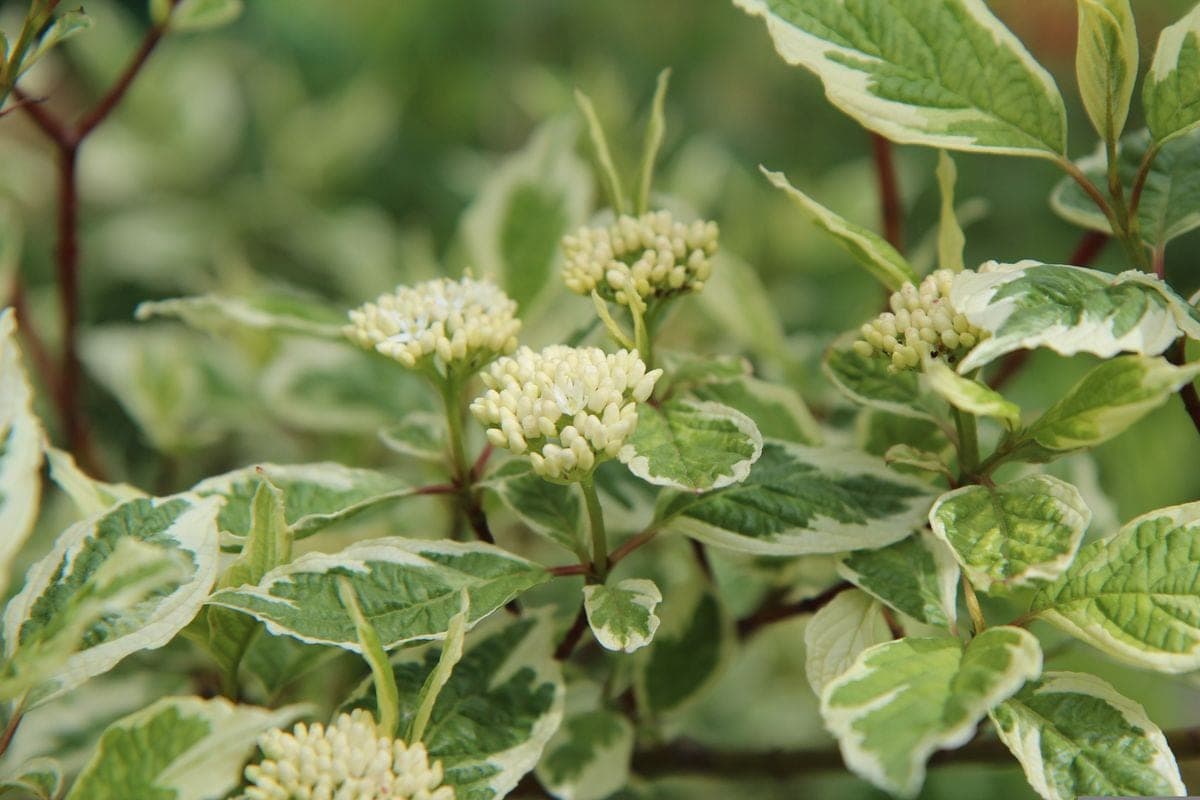
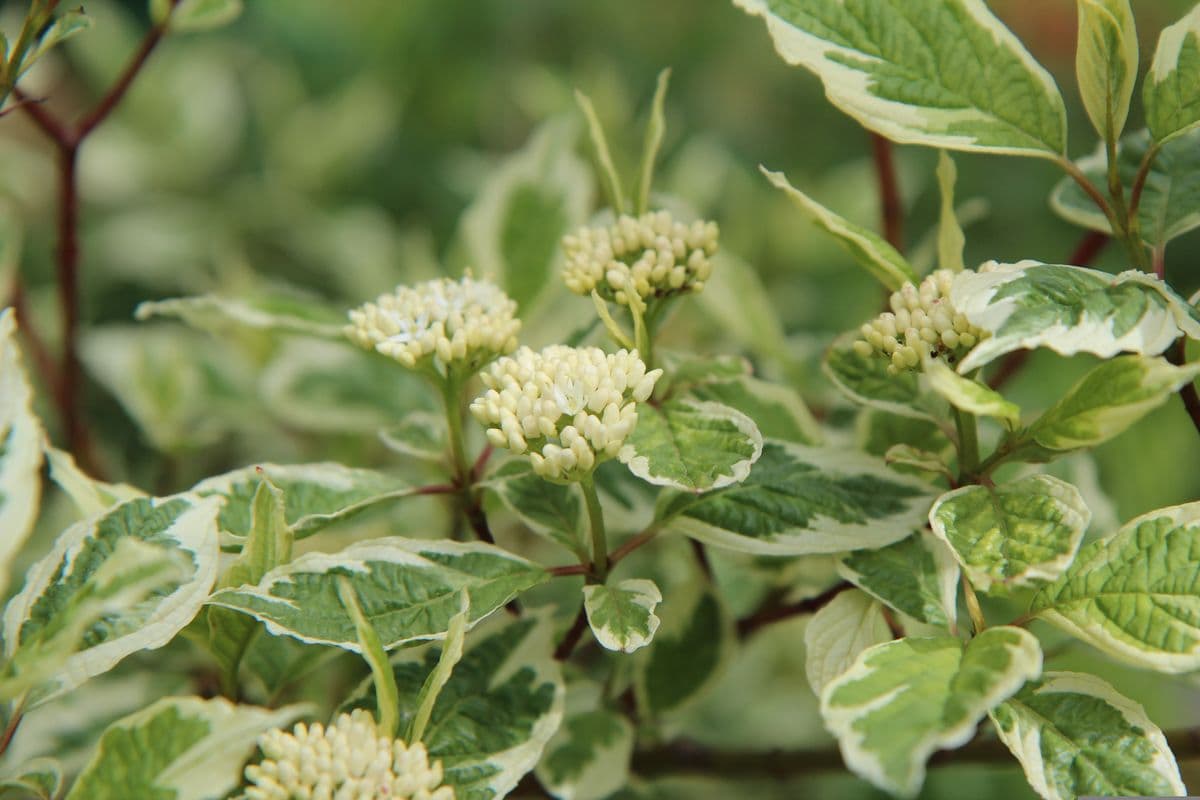
As examples, the expert cited white or white deren:
- This shrub is widely used in the greening of settlements and over the past 20 years has very quickly entered floodplain forests, dominates the shores of reservoirs, including in the vicinity of Minsk, where on the shore of the Zaslavsky reservoir forms impassable thickets. Naturally, it reduces the recreational opportunities of these forests and makes it impossible to rest there.
A very aggressive species is spirea ivolous, which is a whole complex of closely related species. Most aggressively, this plant behaves in the Vitebsk region on rich clay and loamy soils, forming an impenetrable undergrowth.
There are also several species of potentially invasive plants that have come to Belarus in the past few years, Dmitriy Dubovik said
- We notice that they were able to spread very quickly during this time. Among them - skarda makolistoy and crossbow Oxford.
According to the expert, it is necessary to identify potentially invasive species in advance in order to carry out preventive control over their mass distribution.
- In the initial stages of expansion, we will be able to more effectively combat these species of plants, Dmitry Dubovik explained. Useful berry with the habits of the invader: why in Belarus sea buckthorn was recognized as an invasive plant


