
Belarusian experience of environmental statistics presented at UNECE in Geneva
The experience of Belarus was presented in Geneva at the first meeting of the UNECE Joint Working Group on Environmental Statistics and Indicators. This was reported in ...
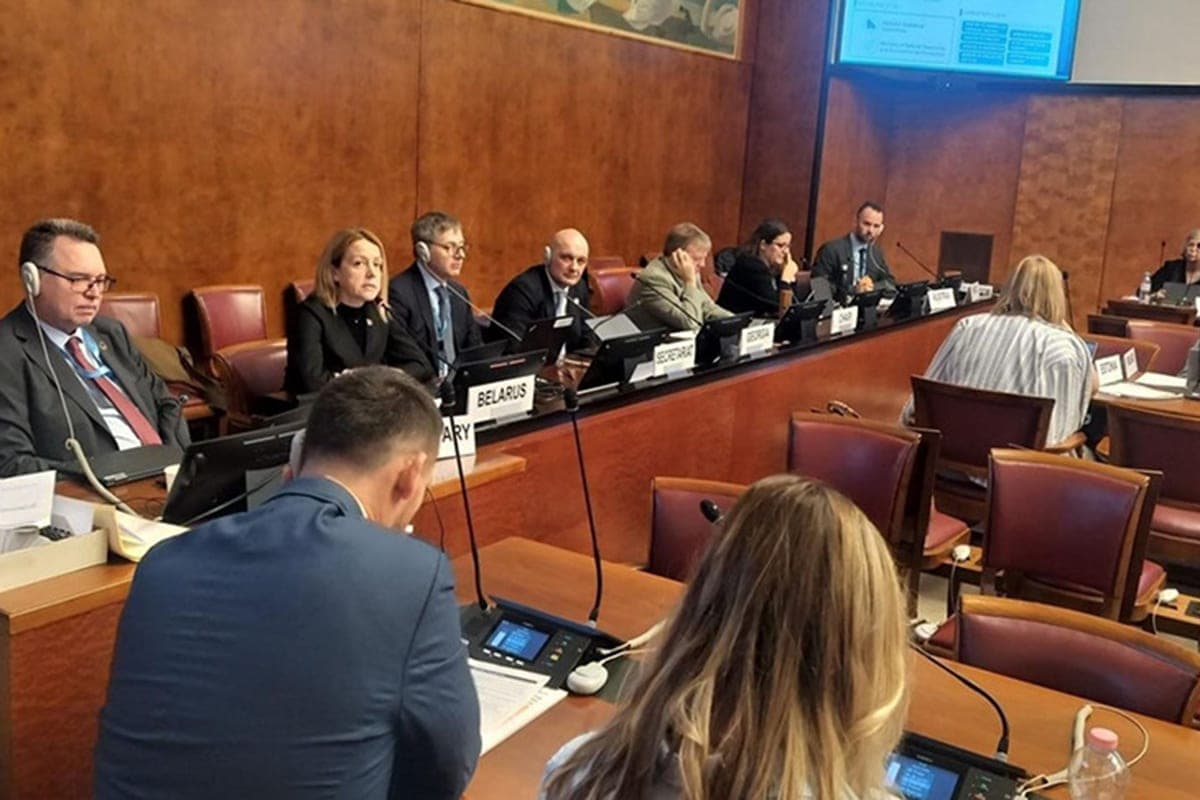
The experience of Belarus was presented in Geneva at the first meeting of the UNECE Joint Working Group on Environmental Statistics and Indicators. This was reported in the press service of Belstat, writes sb.by.
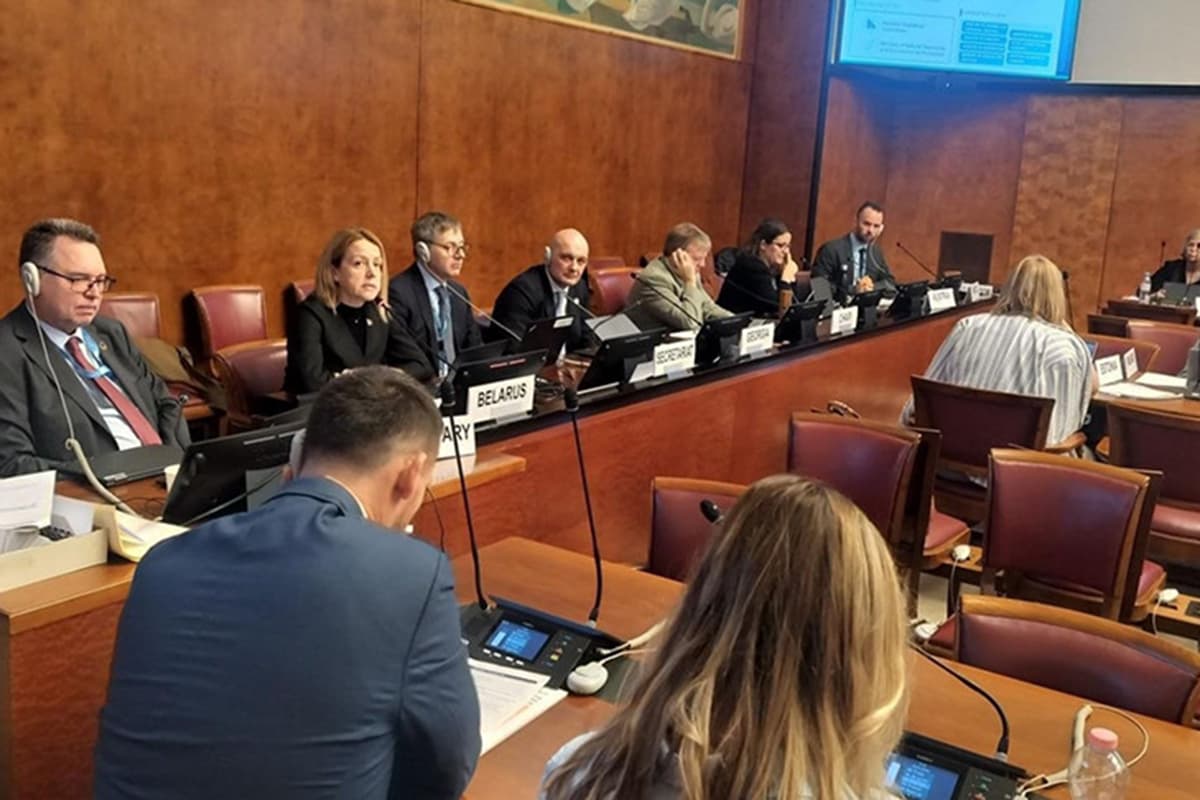
Deputy Chairman of the National Statistical Committee Alla Bilenko said that the formation of environmental statistics in Belarus in the modern institutional sense began more than 30 years ago. A powerful potential for its further development has been formed. She stressed that due to close joint work of departments within the country, as well as effective cooperation with international experts, a balanced system of environmental indicators has been created, which allows to comprehensively characterize the results of environmental policy, make effective decisions and fulfill international obligations.
Based on international recommendations, Belstat has developed five systems of statistical indicators that assess not only key components of the environment, such as air, water and land resources, biodiversity, energy and waste, but also related economic and social aspects.
“Last year, the range of published environmental statistics was expanded by indicators included in the National Set of Statistics Related to Climate Change. Another significant event for Belarusian statistics was the reflection of the national experience in the development of a methodology for the formation of indicators and the dissemination of information on e-waste in the third edition of the UNITAR international manual “E-waste Statistics”. This indicates the maturity and possibility of scaling the created system, said Alla Bilenko.
Priorities in environmental statistics, its role in integrated environmental policy and SDG monitoring were discussed at the meeting. Sharing experiences and developing common approaches will enable countries to better address key statistical challenges in this area.
Belarusian experience of digitalization of statistics presented in Tashkent


