
Gasoline for stock: Belgorod residents were told in which container and where it is better to store
Practical recommendations from the Belgorod EMERCOM
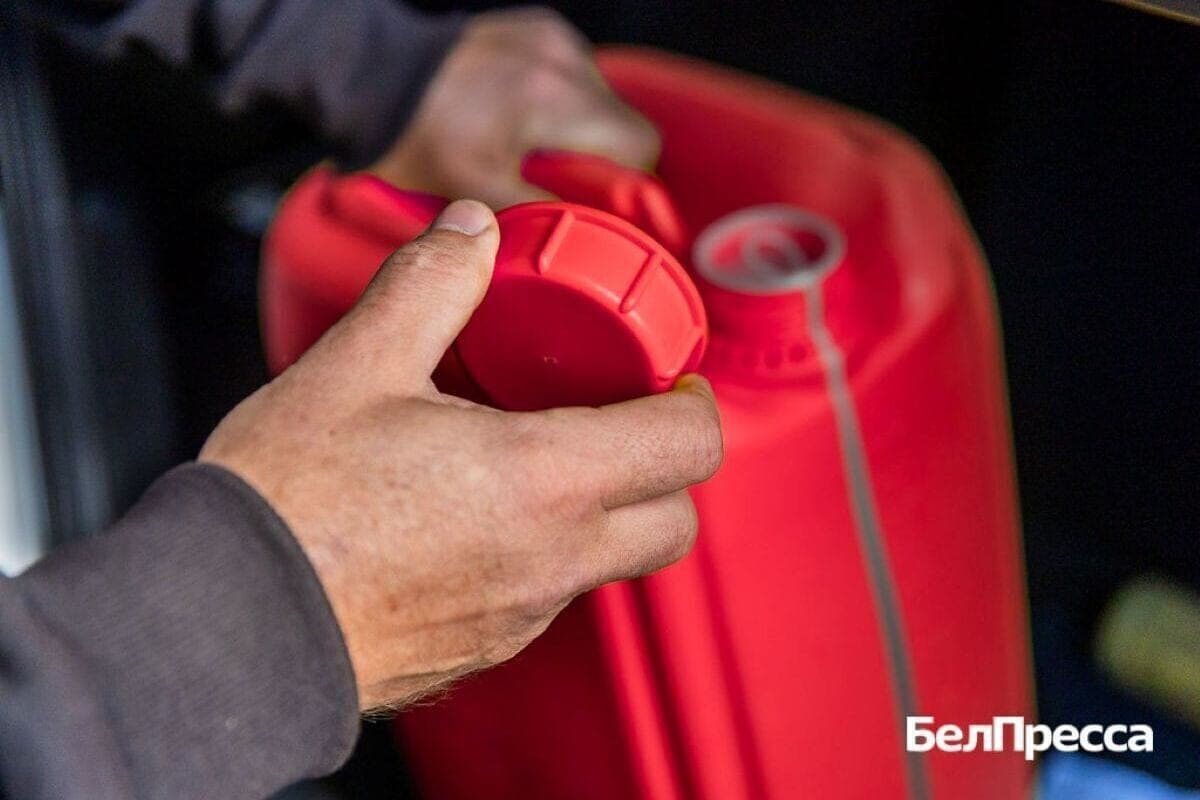
Belgorod residents were told which canister to choose and where to store fuel. The advice was given by the deputy head of the Supervisory Activities and Preventive Work Department of the Ministry of Emergency Situations in the Belgorod region Sergey Bolotov.
Which canister is better?
The metal canister is strong and resistant to mechanical stress. However, if the protective coating is damaged, corrosion may appear. Then the canister no longer guarantees the necessary tightness. In addition, it is much heavier than plastic.
Plastic is noticeably lighter, which is very convenient on a long trip. At the same time, the release of gasoline in such containers is allowed only if there is a special marking of the manufacturer on the suitability of the container for storage and filling with petroleum products.
Not the bottle
A five-liter plastic water bottle seems comfortable, but it's not designed to store gasoline. Food containers are not designed for contact with petroleum products.
Also, when refueling and overflowing fuel, there are risks associated with gasoline vapors and static electricity. Using a regular plastic container is not safe.
You can't go all the way to the lid
You can't fill the canister to the end. It is very important to follow this rule in the summer. When heated, gasoline expands. There is excessive pressure inside the container, creating a load on its walls and cover.
The exact filling level should be determined by the manufacturer's instructions for the particular canister.
How to properly transport fuel?
You can't just put a canister in the trunk. With sharp braking, it can move, overturn or even get damaged and spill. Tara must be secured so that it does not stagger or come into contact with objects that can damage the walls.
“It is important not to allow fuel or its vapour to enter the vehicle. If during the trip there was a sharp and persistent smell of gasoline, you can not continue the movement as if nothing had happened. It is necessary to stop in a safe place and figure out where the smell came from, said Sergey Bolotov.
Reasonable limitations
Gasoline is considered dangerous goods. However, for the use of individuals there is an exception - no more than 60 liters in one container and no more than 240 liters per car.
According to the expert, 240 liters is a regulatory limit, not a recommendation to make such a reserve. The volume of fuel should correspond to the route and the actual need. For violation of the rules of transportation of dangerous goods there is administrative responsibility.
Where to store the fuel?
A filled canister cannot be stored permanently in an apartment, on a balcony or in a car. It is not suitable for the basement or technical room of an apartment building.
Storage of gasoline in a garage or private house depends on the type of object and its operating conditions. There should be no sun, open fire or proximity to heaters. Details - in the material "BelPress".
In three Belgorod municipalities introduced a partial restriction on the sale of gasoline.


