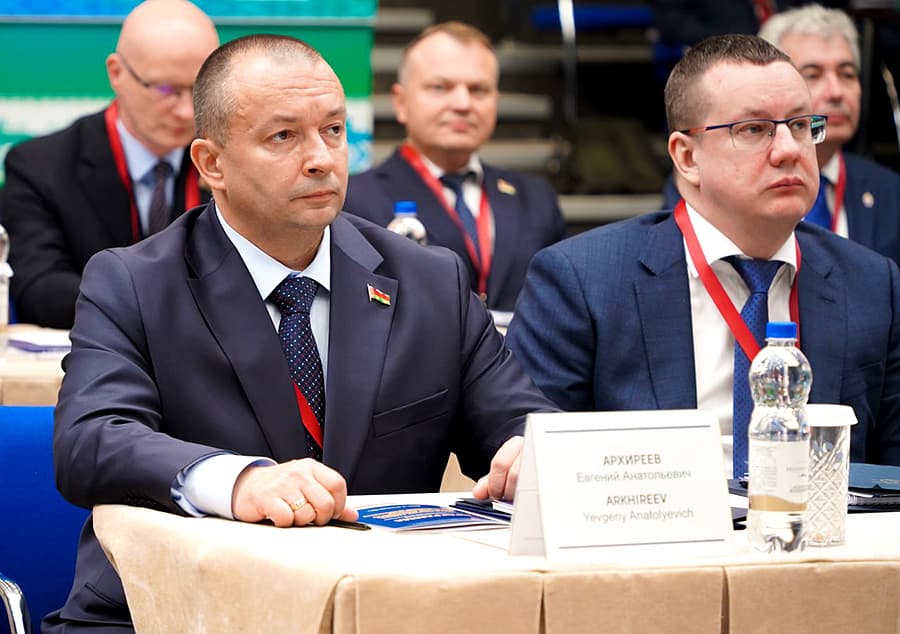
Transition to granules: Belarus is preparing for the upcoming heating season with new accents
The Head of State sets the task of actively switching to pellet heating and maximizing the potential of wood processing enterprises in terms of heating.
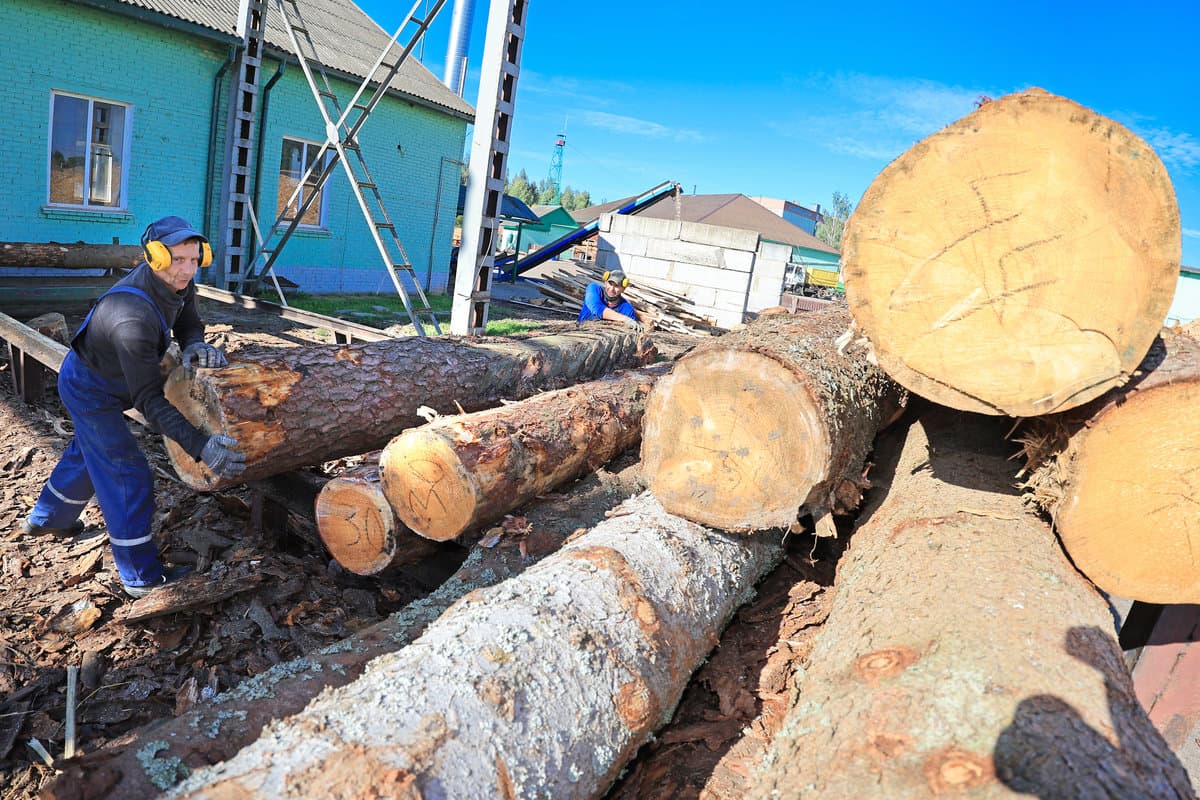
The Head of State sets the task of actively switching to heating with pellets and maximally using the potential of wood processing enterprises in terms of production of wood pellets on the domestic market. The demand is dictated by time. The transition to local fuels is another point of support for the energy independence of our republic and the stable comfort of Belarusians. This strategy is enshrined in the Program of socio-economic development of the Republic of Belarus and the profile state program "Sustainable energy and energy efficiency" for 2026-2030. How this is implemented on the ground, looked in the Tolochinsk district, where there is its own pellet production, and boiler houses are actively switching to wood pellets. Told you
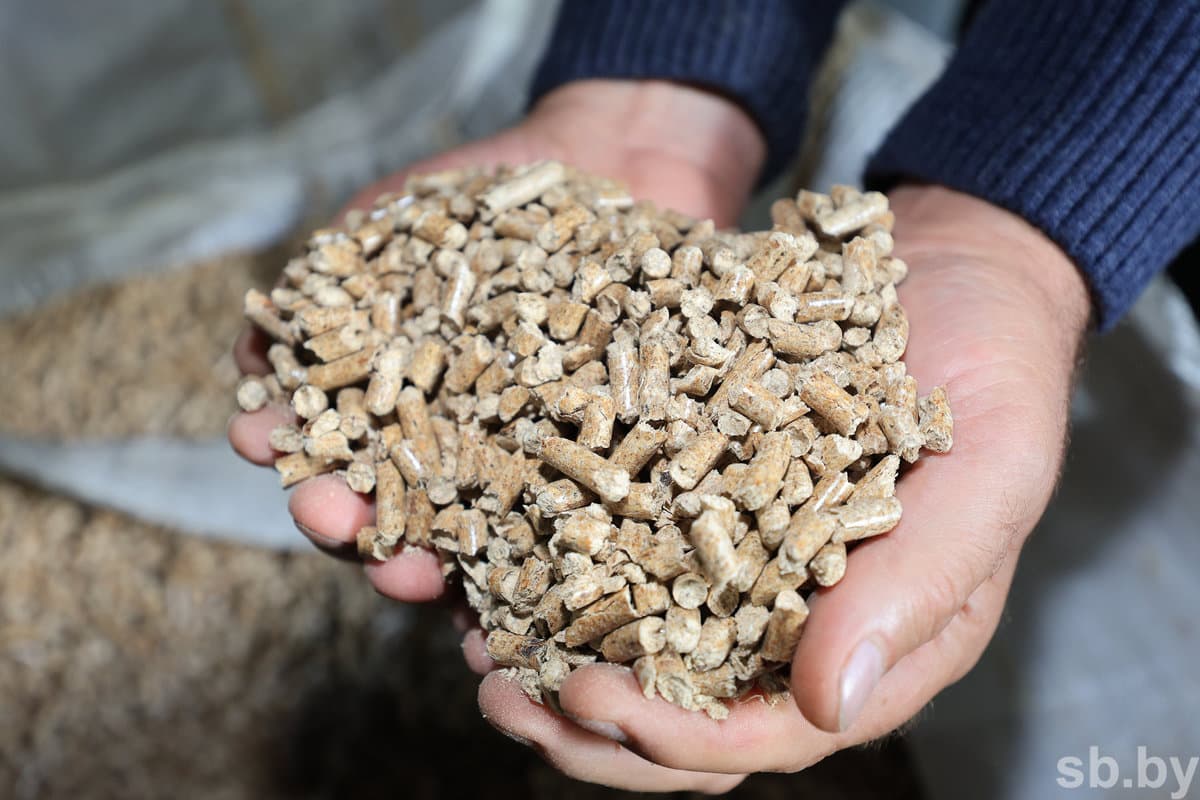
- What are pellets is granular waste sawmills. Everything that goes missing in the forest, we grind, make pellets and give to the stove, and they sink the stoves. We have produced boilers that work well on pellets. We use gas and petroleum products. We need ours. And it's waste. This waste must be recycled and, where possible, heated.
President of Belarus Alexander Lukashenko during a visit to the Lyaskovici wood processing complex in the Petrikovsky district of Gomel region, May 24, 2025.
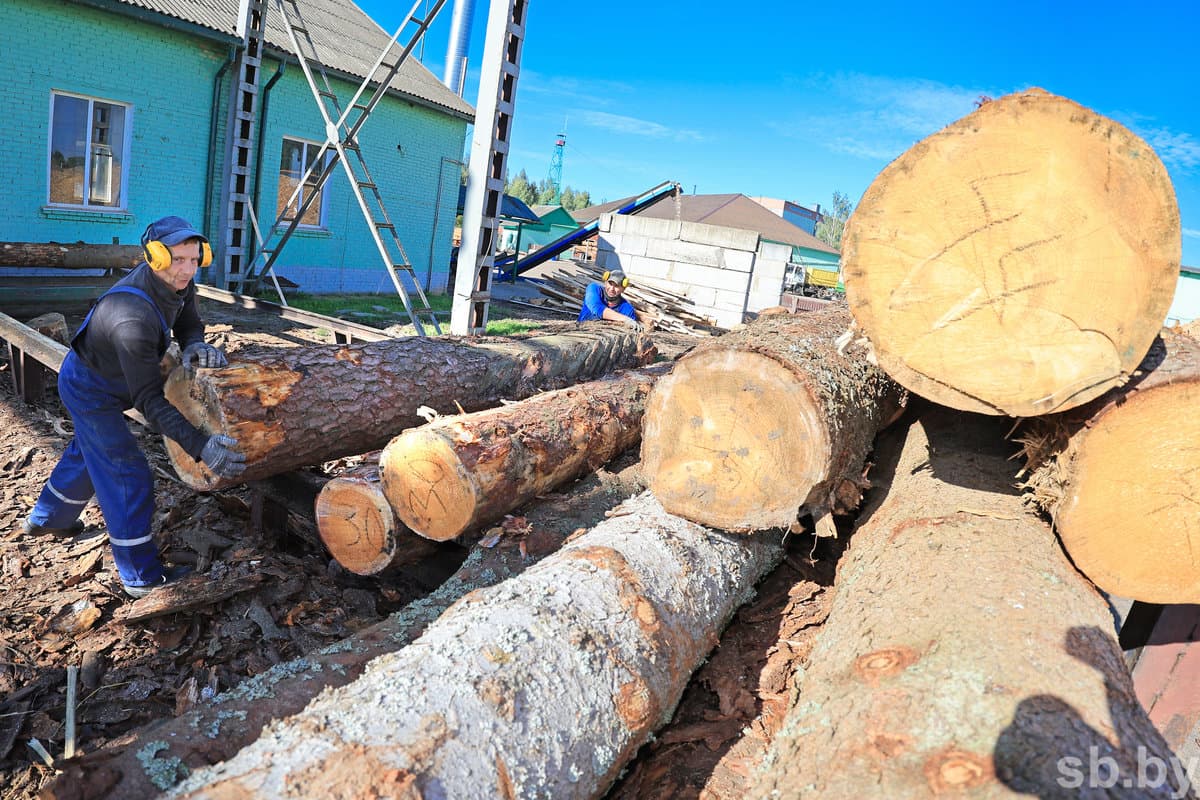
The year-round line for the production of pellets in Tolochinsk forestry has been operating for more than 15 years. Previously, wood pellets were exported, with the closure of the Western market reoriented to the domestic consumer. Basically, they are purchased by utilities, commercial organizations of the Vitebsk region, there is interest in the population. Growing demand for products required to increase production volumes, says the head of the workshop Andrei Tereshchenkov: — Previously launched closer to the heating season. Last year we showed that we need to release more. Since 2026, they have switched to a year-round regime. Especially for pellets built a new warehouse. We work in two shifts, produce about 150 tons of products per month. They have already produced four times more products than last year. And it doesn't lie there.
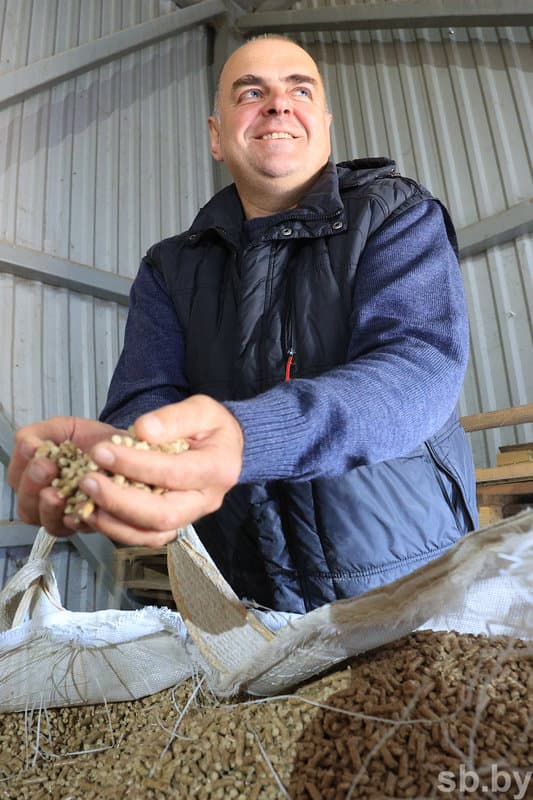
Andrey Tereshchenkov. The line is served by two operators who control all stages of production - from the loading of raw materials to the quality of output products. The raw materials are sawdust from their own lines of sawdust. Andrey Tereshchenkov says the details of production:
- Raw materials go through several stages - grinded, dried, pressed. The process is automated, but you can not do without working hands, especially when it comes to maintaining equipment in good condition. We can't let them down. The state task has been accomplished – our task to fulfill. On the one hand, we work under the current needs of housing and communal services, on the other hand, we solve the issue of rational use of wood raw materials.
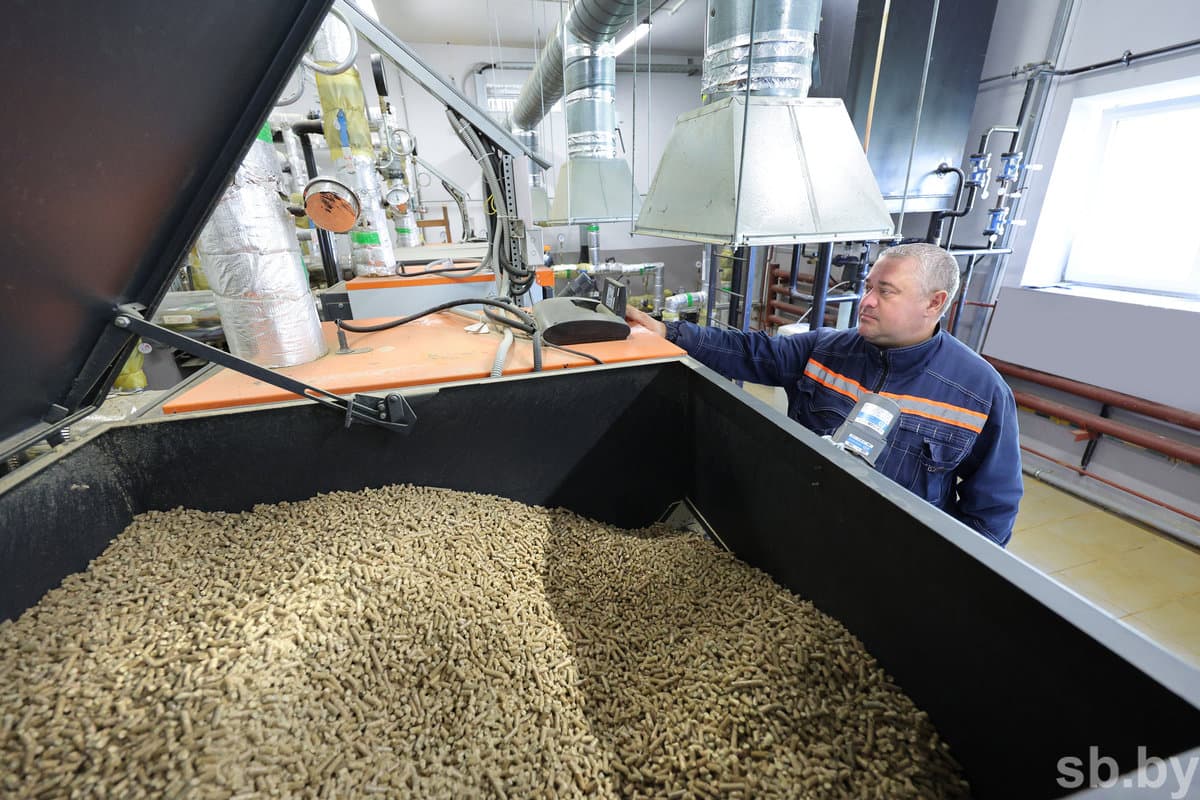
Local housing and communal services "Kokhanovo-Housing and Communal Services" is actively switching to pellet heating, converting old boiler houses and building new facilities. In the current heating season, two pellet boiler houses will operate in the area, two more are being built. The result of such modernization with the transition to local fuels is seen in the example of a new pellet boiler house on the outskirts of the regional center. Instead of manual labor, complete automation. Pellets are already loaded into the bunker, which will supply the first heat to a nearby apartment building with the onset of cold weather. For the boiler house it will be the second season, so the head of the section of boiler and heat networks Alexander Toloshko speaks with knowledge:
- In terms of operation, it is many times more convenient, starts from the control panel. The system works automatically and without accident. Fire alarms installed. The slightest technical failure - the operator receives the corresponding message. The boiler room is fully ready for work, the boilers are cleaned, the automation is tested. In fact, it remains only to start the control panel - and the heat will go. In terms of heat production, pellets are not inferior to other types of fuel. This alternative has proven successful.
The same modern boiler room, but even more powerful, will soon appear in the other end of the city. In connection with the development of the microdistrict Zarechye resource local gas boiler house becomes insufficient. It was decided to upgrade with the installation of pellet boilers, which will be used to heat new buildings in the cold period and for hot water supply in the interheating season. Equipment is currently being installed.
The second large-scale project is the construction of a modular boiler house in the Slavne agricultural town, it will serve a residential apartment building, a kindergarten, a rural House of Culture and a village executive committee. In addition, in the district center it is planned to connect additional buildings to existing pellet boilers. Powers allow, for the season, the supply of fuel granules utilities made.
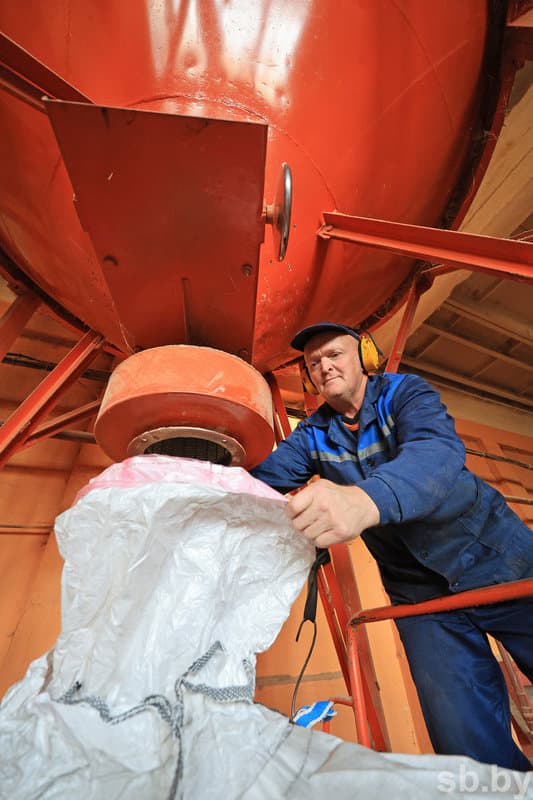
Machine worker Alexander Levkin. Direction for housing and communal services is not just promising, helps to solve a number of problematic issues, shared the conclusions of the Director of the housing and communal services “Kokhanovo-Housing” Igor Khadnevich, who has been in the field for more than 20 years:
- Among the main advantages are a high degree of automation, environmental friendliness and safety. At such a facility, fewer workers are involved, thereby solving the problem of personnel shortage, automation allows you to manage the boiler even remotely. The pellet shop almost in the neighborhood allows you to keep close contact with the manufacturer, save on delivery and be confident in uninterrupted supplies. Today, it is important to make the most of your own resources. If we have enough wood, then this potential should be used optimally, including in creating everyday comfort for the population.
ryzhkova@sb.by