
Church holiday September 28, 2026: traditions, signs and prohibitions of Nikita Gusiatnik
On September 28, 2026, Orthodox believers remember the Great Martyr Nikita Gotfsky, a preacher who accepted a martyr’s death for his faith in the fourth century
The Story of the Great Martyr Nikita
Nikita lived in the fourth century among the Goths, a warlike tribe that lived north of the Danube. He came from a noble family and enjoyed the respect of his fellow tribesmen. His Christian faith was instructed by Bishop Theophilus of Gotth, a member of the First Ecumenical Council in Nicaea. Nikita was baptized and became a zealous preacher of Christianity, leading to the faith of many pagans.
In the second half of the IV century, the Goths were divided into two camps: supporters of paganism and Christians. After the civil war, the pagans took over and began to persecute Christians. Nikita was captured and subjected to cruel torture, demanding to renounce her faith. He remained adamant and accepted martyrdom. His relics were later transferred to Constantinople.
Why is the day called the Caterpillar and Reporez
People on September 28 called the Caterpillar, because at this time began a mass flight of geese to the south. Peasants accompanied the birds and guessed by their behavior: if geese fly high - in spring there will be a lot of water, if low - spring will be dry. Also on this day began to beat geese - hence the second name.
Another name of the holiday is Reporez. By September 28, peasants were completing the harvesting of turnips and other root crops. Turnip was one of the main products in Russia: porridge, soups, cakes were baked, kvass was made from it. It was believed that if you do not remove the turnip to Nikita, she can die from the first frost.
Traditions of Nikita Goosenik
The main tradition of September 28 is the geese wires. Peasants would go out into the field and watch the birds gather in flocks. It was believed that if the geese fly together, the winter will be harsh and snowy. Also on this day, it was customary to cook goose dishes: baked a bird with apples, cooked soups, made a cold.
The second important activity is cleaning the turnips. Peasants dug root vegetables, dried them, put them in cellars. Many dishes were prepared from turnips: steamed, fried, added to porridge and pies. It was believed that turnips collected on Nikita have a special healing power.
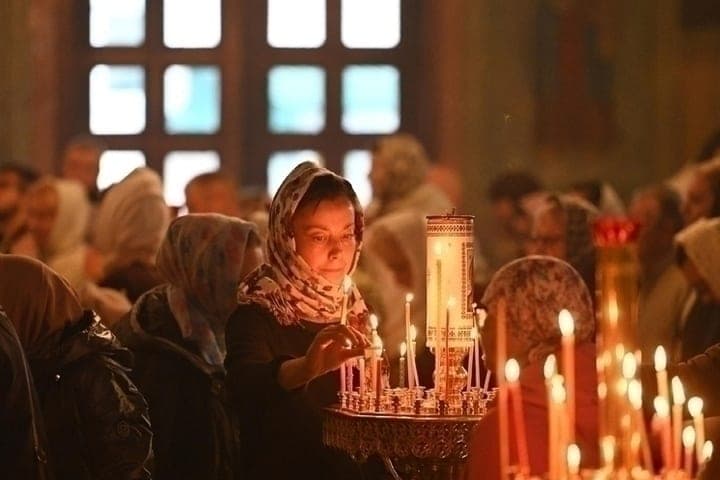
Also on this day they went to church and prayed to the Great Martyr Nikita for protection from diseases, strengthening the faith and well-being of the family.
Notes as of September 28
If the geese fly high, there will be plenty of water in the spring.
If the geese fly low, spring will be dry.
If geese gather together in packs, winter will be harsh.
If the day is clear and warm, autumn will be long.
If it rains, autumn will be damp.
If in the morning fog - for warm weather.
If there is a lot of webs, by a warm autumn.
If the ash is born - for a cold winter.
What not to do on September 28th
You can not be lazy and leave turnips in the ground - it was believed that those who do not harvest to Nikita, will be left without reserves for the winter.
You can not argue and quarrel - conflicts on this day can last for a long time.
You can’t throw away bread and turnips – this is a big sin.
You can not refuse help - violating the ban can face failure.
You can not go to the forest alone – people believed that evil forces can confuse the road.
What to do on September 28th
Walk the geese and observe their behavior.
Remove the turnips and put it in storage.
Cooking goose and turnip dishes.
Pray to the great martyr Nikita for the protection of family and health.
Spend time with your family at the festive table.


