
What is not recommended to do Volgograd on November 15 on the day of Zhitnitsa
This day in the national calendar has its own name and rules, and in addition, it coincided with several notable dates
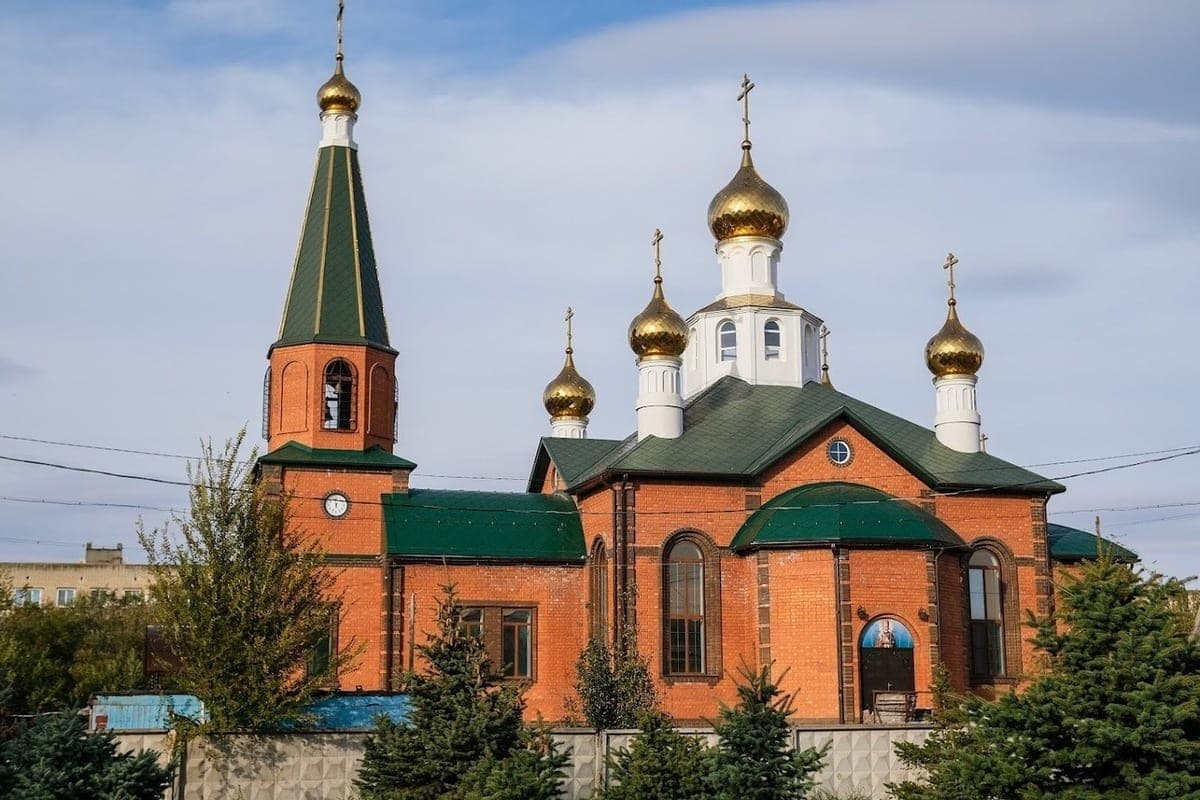
In the church calendar, November 15 is the day of memory of the martyrs Akindin, Pigasius and Anempodist, who suffered for their faith in the IV century. In the people, this day was called Zhitnitsa or Akindinsky Day. The name comes from the word “jito” – grain. By mid-November, the peasants were finishing the threshing and began to dry the grain in tins. It was a dangerous business: a fire in the vin could easily spread to sheaves and destroy the entire crop, so the owners watched it especially carefully. There was even a saying: “Akindin kindles vin, and Pigasius the sun extinguishes” – it reflected the beginning of drying grain, and a noticeable decrease in daylight.
Therefore, on November 15, they bypassed the granaries and ovine, checked if there were any cracks, cleaned up the garbage, dried the walls and made sure that the fire in the vin did not get out of control.
There was also its own “invisible guard”: they believed that guardian spirits lived in vins and humns – an ovine, a humennik, a rizhnik. They are not evil, but strict: they help those who save labor, and for negligence can be punished, for example, to make a fire. To appease the vinyl, he was left in a secluded corner a piece of bread or a bowl of porridge.
There are several strict prohibitions associated with the granite. The main one concerned requests for help: it was believed that someone else’s support on this day can turn into harm, and better cope with their own efforts. It was not recommended to lend money, bread or salt - they believed that the borrowed money would not be returned, and with it, prosperity would leave the house. Under the ban were alcohol and sweets: according to legend, they could attract diseases, quarrels and financial troubles. It was not necessary to quarrel, gossip and reveal other people's secrets - it threatened a series of problems, including at work. Another sign advised not to leave the front door open, so that luck and prosperity do not go away from the house.
Weather signs on this day helped to understand what winter will be like. The mud and mud on the roads meant the heat would last until early December. If the clouds were floating against the wind, and tits and checkers were kept by the yard, waiting for snowfall. The cry of snowmen foreshadowed the imminent frost. But a small number of cedar cones, on the contrary, spoke of a warm and short winter.
In addition to folk traditions, November 15, 2026 marks the All-Russian Day of the draftee - the date timed to the autumn draft. On the same day falls the World Day of Remembrance of Road Traffic Victims, which is held on the third Sunday of November. Other dates include the Day of Establishment of Units to Combat Organized Crime in Russia, the Day of the Caspian Flotilla and the International Day of Recycling.
Of course, folk signs are part of cultural heritage, not a guide to action. But as an occasion to remember traditions, check stocks and once again reconcile with loved ones, the day is quite suitable.


