
What not to do on November 10: signs and prohibitions on the day of Paraskeva
On Tuesday, November 10, 2026, the national calendar celebrates the day of Paraskeva Friday, also known as Paraskeva Lnyanitsa
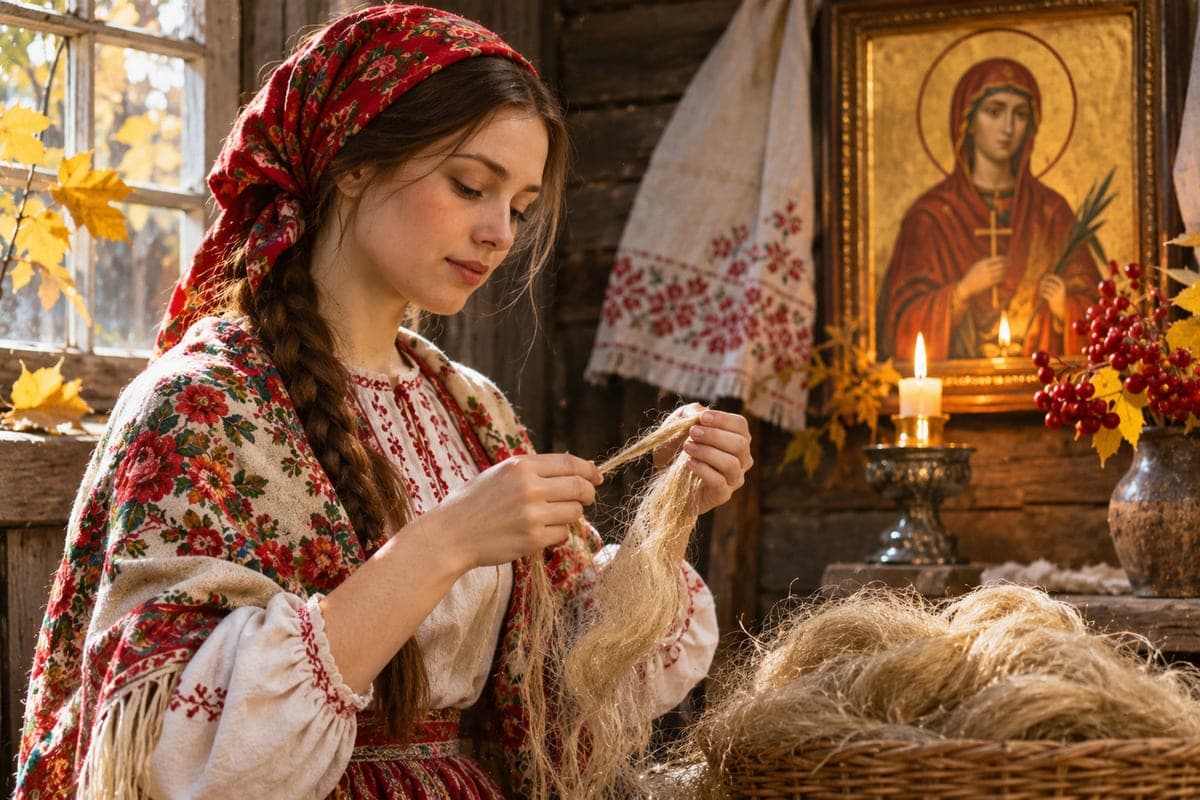
On Tuesday, November 10, 2026, according to the national calendar, Paraskeva Friday, also known as Paraskeva Lnyanitsa, is celebrated. This date is associated with many traditions, weather signs and prohibitions that our ancestors observed.
The Orthodox Church on this day remembers the Great Martyr Paraskeva, who lived in the III century. According to church legend, she was born into a Christian family in the city of Iconia. During the persecution under the emperor Diocletian, the girl refused to renounce her faith, for which she was tortured and executed.
In Russia, Paraskeva was revered as the patroness of women, family and home. The holiday was of particular importance for girls engaged in needlework.
What to do on November 10th
In the old days, this day was dedicated to the processing of flax. Women crumpled and thrashed fibers, cooked yarn, and the girls arranged peculiar watches, demonstrating skill and diligence.
It was considered favorable to restore order in the house, complete the work started and spend time with loved ones. Good deeds and help to those in need were welcomed.
What not to do on Paraskeva Day
According to popular belief, there were several bans on November 10.
First of all, it was not recommended to be lazy and postpone things for later. It was believed that unfinished work can be delayed for a long time.
It was also forbidden to quarrel, swear and swear. It is believed that conflicts on this day could lead to family turmoil.
We should not refuse to help those who are in a difficult situation. This act was seen as a bad sign.
People's signs for November 10
Our ancestors paid special attention to the weather. According to natural phenomena, they tried to predict the onset of winter and the nature of future spring.
What Dreams Mean on the Night of November 10
According to popular beliefs, dreams on the night of Paraskeva often reflect the daily worries and experiences of a person.
There was a belief that an anxious dream would not come true if you did not talk about it before sunset.
Note that these prohibitions and omens refer to folk traditions and superstitions, and not to mandatory church regulations or scientifically confirmed laws.


