
What not to do on November 19: signs and prohibitions of Pavel Ledostava
November 19, 2026, according to the national calendar, Pavel Ledostav is celebrated
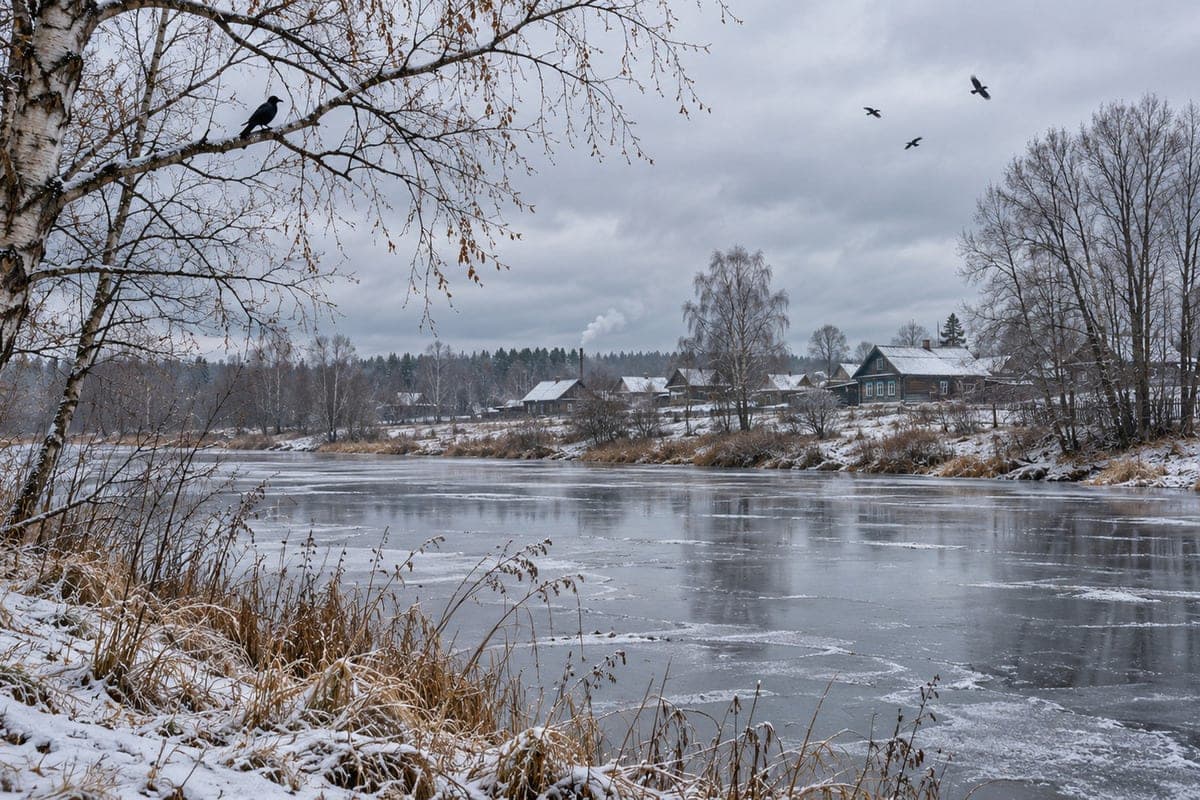
On November 19, 2026, according to the national calendar, Pavel Ledostav is celebrated. This day in Russia was associated with the onset of winter cold, the appearance of durable ice on water bodies and a number of prohibitions. Our ancestors believed that some actions can turn into money losses, diseases and other troubles.
The Orthodox Church on November 19 remembers St. Paul the Confessor. He lived in the ninth century, was a bishop in Asia Minor and opposed iconoclasm, for which he was persecuted. The saint died around 850.
The day of his remembrance was called Ledostav. It was believed that by mid-November rivers and lakes begin to be covered with ice, which gradually becomes stronger.
One of the main bans on November 19 was considered monetary debt. On this day, they tried not to borrow money or lend it. According to legend, the violation of the ban could lead to financial difficulties.
Women were not advised to do hand washing for fear of causing illness. It was considered bad luck to appear in old or dirty clothes. People believed that this portends a hard winter full of worries and needs.
On the day of Pavel Ledostava, they tried to avoid quarrels, not to keep evil on others and not to remember the dead with an evil word. Long-distance travel was also recommended to be postponed, as they feared trouble on the road.
At the same time, home affairs and meetings with relatives were welcomed. It was customary to clean up, wear clean clothes, keep promises and spend time with family. The table served pastries and dishes of eggs, and meat tried not to eat.
Particular attention was paid to the weather. Heavy snowfall on November 19, according to popular observations, promised a snowy and frosty winter, and a windless day foreshadowed a rapid cold snap.
Watched the birds, too. If the crows were circling in the sky, they expected snow. Birds sitting on branches were considered harbingers of cold and wind. Smooth ice on reservoirs was associated with a good future harvest of bread, and a starry night with the approach of severe frosts.
There were also beliefs about dreams on November 19. Disturbing signs were considered dreams of a destroyed house, fallen teeth or dead people. To get rid of unpleasant experiences, after waking up, they said: “Where the night goes, there is sleep.”.
Namedays on this day are celebrated by Paul, Nikita, Victor, Nicholas, Arseny, Gabriel, Vasily, Constantine, Anatoly, Herman, Claudius, Alexander, Nina, Seraphim and Matryona.
All these prohibitions, interpretations of dreams and weather signs belong to popular beliefs, and not to scientifically established laws.


