
What not to do on October 23: signs on Evlampiy Winter Indicator
October 23, 2026 on the national calendar celebrate Evlampiy Winter indicator
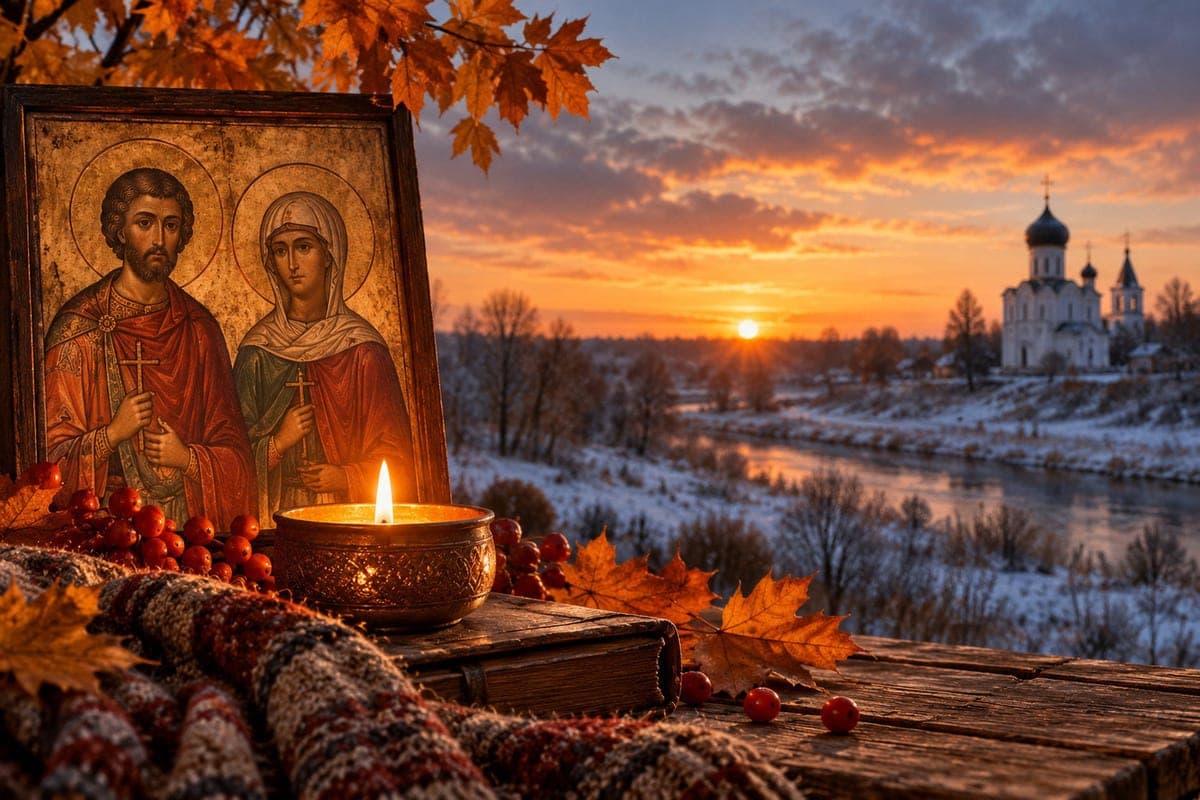
On October 23, 2026, according to the national calendar, Evlampiy Winter Indicator is celebrated. On this day, our ancestors watched the weather to understand when winter will come, and also tried to observe the ancient prohibitions. It was believed that some everyday activities can deprive the house of prosperity, and the position of the month in the sky will tell you when to wait for the first sustained frosts.
The Orthodox Church on October 23 remembers the martyrs Eulampius and Eulampius, brother and sister, who lived in Nicomedia at the beginning of the IV century. According to church tradition, during the time of persecution against Christians under the emperor Maximian, they refused to renounce their faith and accepted martyrdom.
In Russia, this day was called not only the Winter Indicator, but also Evlampiy Luminaire. By the end of October, daylight was noticeably shortened, so peasants harvested a ray for lighting houses. There was even a saying: “Evlampius blows fire and lights the darkness.”.
The main ban on October 23 was on cleaning. According to popular beliefs, it was impossible to sweep the floor and take out garbage, so as not to get rid of home luck and prosperity with it. It was also not recommended to arrange weddings, as it was believed that the marriage concluded on this day would be fragile.
It is not recommended to start new business and buy clothes. Our ancestors believed that beginnings will not bring the desired result, and new things will quickly become useless. Divination was also prohibited: it was believed that predictions for Eulampia did not come true.
The fire was especially important. It was not customary to lend candles and matches, fearing to give family happiness and warmth along with them. From jewelry, too, tried to refuse, so as, according to beliefs, not to attract the evil eye.
At the same time, the day was not without the usual activities. Men repaired tools, women did needlework and made porridge. In the evening, they arranged gatherings, told fairy tales and gathered by the fire. Young people made fires and jumped over them, believing that it will help to preserve health and strength.
Weather on October 23 tried to predict the nature of the coming winter. If the horns of the month were directed to the north, they expected cold weather. If to the south, prepared for protracted slush and late onset of winter.
The absence of morning frost was considered a sign that the persistent cold will come only in a month. The rain promised no snow until November 4. The north and east winds foreshadowed cooling, and the west wind was associated with thaw and precipitation.
They also paid attention to the trees. If green leaves were still preserved on the tops of the willow, early spring was expected. The clear sky in the west, according to signs, promised dry weather in the near future.
The names of October 23 celebrate Eulampius and Eulampia. Contradictory beliefs were associated with dreams that night: some considered them empty, others believed that what they saw could come true within three days.


