
What is strictly forbidden to do Volgograd to troubles bypass the house side
Saturday in the national calendar is known as Guryev day. This date not only marks the beginning of the long, 40-day Fast, but also commemorates the early Christian martyrs.
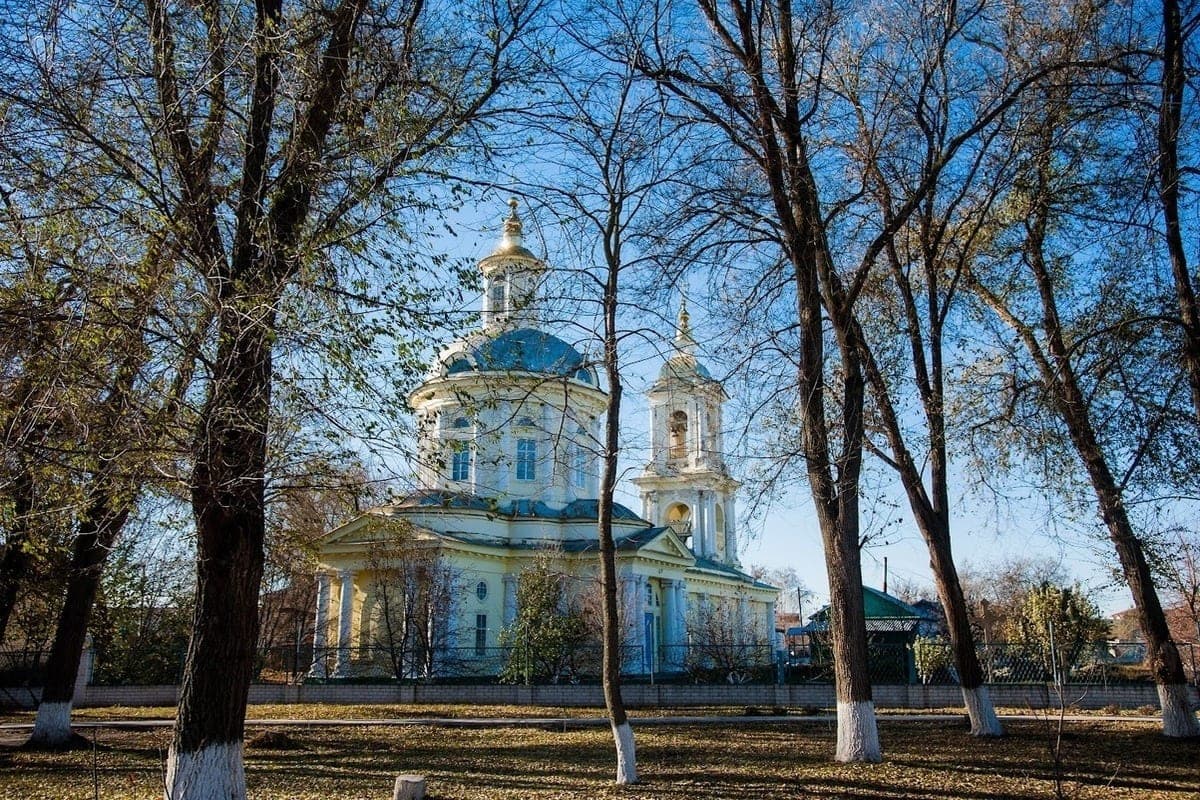
The holiday is based on the history of the clergy of Guria and Samon, who in the era of the emperor Diocletian preferred martyrdom in Edessa, rather than renunciation of the faith. They were later joined by Deacon Aviv, who was executed at Licinius.
The main rule was the refusal of any cleaning in the house, so as not to accidentally wipe out family well-being and prosperity along with the garbage. It was also strictly forbidden to swear, gossip or complain about life – it was believed that any negative on Guryev’s day would turn into protracted problems.
Instead of quarrels and household chores, it was customary to soar in the bath to wash off sickness and spiritually prepare for fasting.
From this day on, the faithful begin the period of abstinence from meat, milk and fish, turning with prayers to Saint Guria as the patron saint of women and the guardian of the hearth.
Nature itself gave accurate clues about the future. The snow that fell on this day was considered a sure sign of a rich harvest, high clouds promised sunny weather, and abnormal heat, on the contrary, warned of inclement spring. A strong wind was a signal that the bad weather will not retreat for another month.


