
Lessons, homework, mugs. How not to overload the student during the school year – the opinion of experts
The school and the family have a common mission to help the child reach their potential. But the more intense his day becomes, the more acute the question arises: does he remain in a dense state.

The school and the family have a common mission to help the child reach their potential. But the more intense his day becomes, the more acute the question arises: is there a place for rest, live communication and time alone in a dense schedule of lessons, sections and circles? How not to overload the student during the school year? We talked to the experts about that. The round table was attended by the first Vice-Rector – Director of the Institute of Preschool and General Secondary Education of the Academy of National Education Valentina Ginchuk, the main freelance specialist on the formation of the Health Care Committee of the Minsk City Executive Committee, Head of the Minsk City Health Center Snezhan Kavrigo, social psychologist Ramazon Sydykov and Deputy Chairman of the Plant District Organization of Minsk of the public association “Belarusian Association of Large Parents”, mother Tatyana Kopenkova.

Collage by Victoria Krapivnitskaya, “ZN” The load is under control – Valentina Vasilievna, some students and their parents complain of overload at school. How is the training load calculated? Are there studies that allow you to evaluate it?
Valentina Ginchuk:
The Academy of National Education studies the educational load of schoolchildren in the development of educational standards, curricula and programs. International experience is also analyzed and a comparative analysis of the curricula of different countries is carried out. The data obtained show that the teaching load of our students is comparable to the world. One indicator is the length of the school year. In China, it lasts about 230 days, in Germany - 190, in the USA - 180, in Belarus - 175 days. The number of lessons per week also depends on the country and class: in China - from 35 to 50 taking into account self-training, in the United States - from 25 to 32, in Germany - from 20 to 32, in Belarus - from 20 to 35. In Russia and Kazakhstan, this figure can reach 37-39 lessons. Belarusian programs in mathematics, physics, chemistry and biology in many cases remain deeper than the programs of secondary schools in the United States. At the same time, for example, algebra, geometry, probability and statistics are separately studied at the basic level in the Russian school from the 7th grade, while in Belarus there is no separate statistics course, and some topics are studied only at an advanced level.

Valentina Ginchuk:
- Yes, these issues are regulated by normative and methodological documents. The duration of homework depends on the class: in the second - up to 1.2 hours, in the third-fourth - up to 1.5, fifth-sixth - up to two hours, seventh-eighth - up to 2.5, ninth-eleventh - up to three hours. There are no homework assignments in first grade. In addition, they are not set after inspection work and on vacation. On average, it takes 25-30 minutes to complete a task on one subject. Creative tasks are performed at the request of the student. The number of control works, dictations and presentations is also regulated: no more than one control work is allowed per day. It can not be held in the last lesson and after the third lesson on Friday. When compiling a schedule, the most difficult subjects are tried to put when the performance of students is higher: for primary school it is Tuesday and Wednesday, for students of 5-11 grades - Tuesday, Wednesday and Friday. In primary school, mathematics, Russian, Belarusian and foreign languages are mainly taught in the second or third lesson. In grades 5-11, mathematics, languages, physics, and chemistry can be the first or last lesson no more than once a week.
During the Republican surveys on academic subjects, we ask students how much time they spend on homework. According to the results of the survey, about a fifth of high school students spend more than three hours on their implementation - that is, exceeds the norm established for this age group. Distractions also affect work duration: about six percent of respondents listen to music, chat in group chats or watch videos while doing homework. The same number of students admit that they have difficulties with highlighting the main thing in the educational material. It can also increase the time it takes to complete tasks.
- What if the parent sees that the child spends much more time on D / D than expected, and at the same time gets tired? Where to ask for help: the teacher, the school administration?
Valentina Ginchuk:
- First, it is worth talking to the child and find out what exactly causes difficulties, whether he understands the material, whether he knows how to work with information and concentrate attention. It is important to take into account the individual pace: some students take more time to complete tasks than others. The next step is to discuss the situation with the subject teacher or class leader. So you can understand whether the difficulties are associated with the learning process as a whole or with the characteristics of the child. If questions arise due to the complexity of the program or the presentation of material in the textbook, proposals can be sent through the national educational portal in the rubric "Discussing curricula, textbooks." They will be considered when updating programs and manuals.
Tatiana Kopenkova:
- I have two school-age sons: Matthew is in the ninth grade and Philip is in the fifth. I’ve never had to talk to a teacher about excessive workload. Judging by our parent-teacher meetings, other dads and moms hardly raise this topic either. When we studied, there was no free access to the Internet: information for reports had to be searched in the library, and abstracts we wrote by hand. Now the necessary materials can be found in a few minutes, but the curriculum itself, in my opinion, has become more extensive. Therefore, some of the tasks children perform faster, but they have to master more material. As a result, the overall employment of students remains about the same as we had. Now let’s talk about how the learning load affects the psychological and physical condition of the child. How do you distinguish normal fatigue or reluctance to do lessons from severe overload?
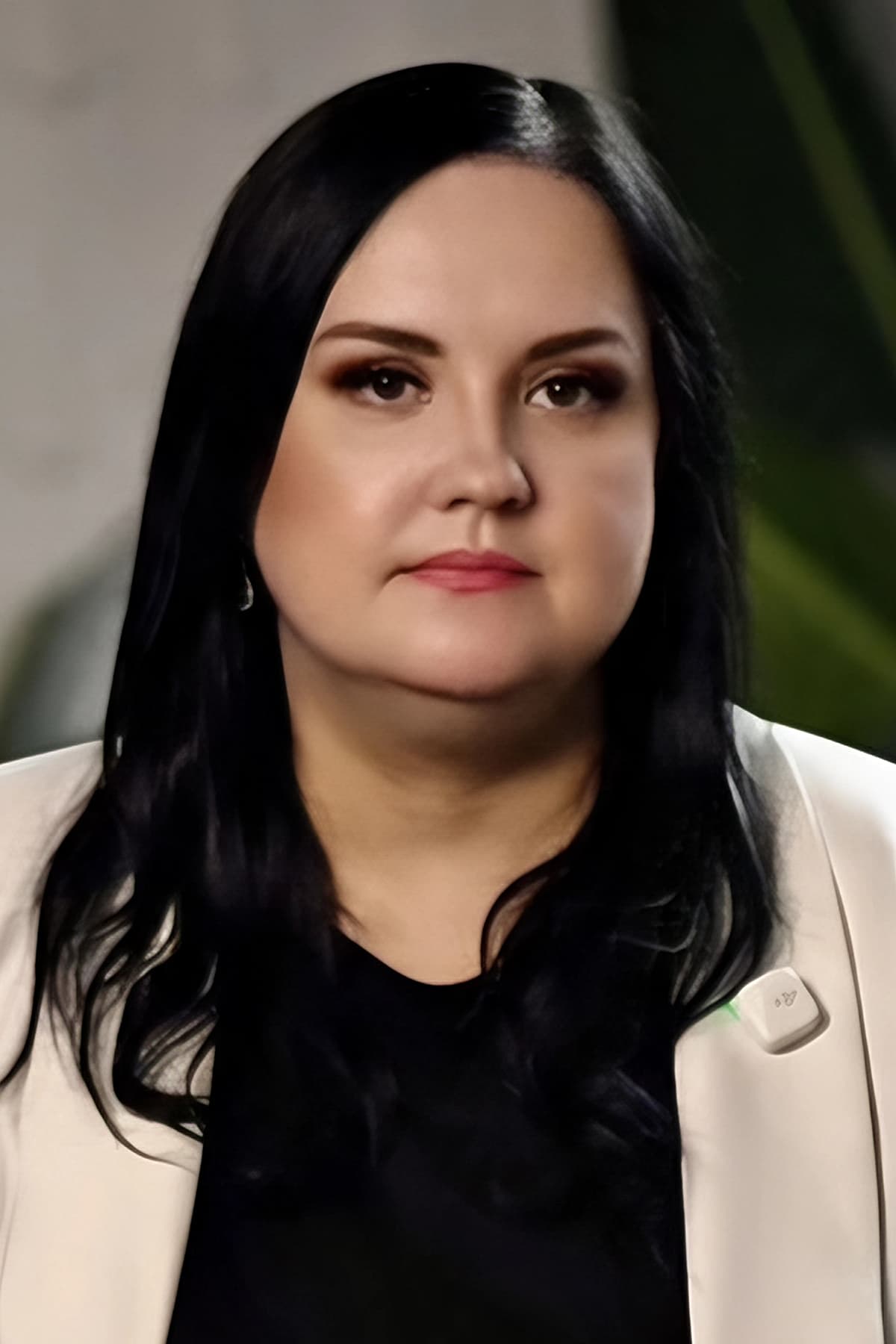
- The usual fatigue appears in the evening or at the end of the school week and passes after a full sleep, weekends or a change of activity. The child retains interest in hobbies and communication, and his sleep, appetite and mood do not change significantly. With excessive load, fatigue is felt constantly: the child may wake up already tired, lose interest in familiar activities, sleep worse, become irritable or tearful. It is important to consider not one individual feature, but their combination and duration.
Ramazon Sydykov:
- Reluctance to do lessons in itself does not indicate emotional exhaustion. A child may be tired after school, have difficulty with a particular subject, be distracted, or prefer to study with friends. Therefore, it is important to find out whether the problem is limited to lessons or affects other areas of life. If the child ceases to enjoy previous hobbies, sleep becomes worse, anxiety or irritability appears, fatigue that does not go away after rest, it is worth paying attention to his condition. The causes can be different: from excessive stress to conflicts, physical malaise or anxiety. If the changes persist and interfere with daily life, you should consult a pediatrician or child psychologist. You mentioned that normal fatigue goes away after sleep and weekends. But in practice, many schoolchildren have difficulties with this: they go to bed late, can not sleep for a long time, wake up already tired. How to build a daily routine so that it has a place for study and for full recovery?
Snejana Cavrigo:
- After school, it is advisable to give the child time to eat, walk and rest without training tasks. The duration of such a break depends on the age, state of health and overall employment of the child. It is important to alternate mental load with physical activity: walking, dancing, sports.

- This depends on the age of the child and his learning load. In addition to school and homework, the son of a fifth-grader has biathlon classes three times a week and two times in English. At the same time, we try to preserve sports: if you remove physical activity, gadgets will most likely take all your free time. The son-ninth-grader now spends most of his time preparing for exams: he attends four school electives and twice a week goes to Russian language courses. Therefore, guitar lessons and sports sections had to be abandoned this year. In my opinion, the child must have different types of activities: physical activity, additional training sessions and personal free time. It is important that he has the opportunity to just communicate with peers. When choosing circles, you need to take into account the interests and capabilities of the child, and not strive to occupy all his free time. How can parents help their child learn to notice their own fatigue and talk about it in time?
Snejana Cavrigo:
- First of all, it is important to observe the regime of sleep and rest. It is advisable to complete the active use of gadgets about an hour before bedtime, since late and emotionally rich communication with devices can make it difficult to fall asleep. Parents should regularly assess the schedule of the child: whether he has enough time for sleep, nutrition, movement, communication and recovery. It is also important to maintain a calm atmosphere at home and show your child that he or she can talk openly about his or her difficulties.
Tatiana Kopenkova:
- We in the family try to take into account the condition of the children. If you see that it is difficult for them, we give you the opportunity to relax and postpone some business. At the same time, the approach changes with age. The fifth grader has parental control on the phone and tablet – without it, gadgets would not be out of hand even at night. But for the ninth grader, we are gradually transferring more independence: the control on the devices has already been removed, and now he must understand when he needs to stop and go to bed.
Ramazon Sydykov:
- Teaching a child to notice fatigue helps normal conversations. You can ask not only about the marks, but also about what was the most difficult day, which took the most effort, how he feels now. Some children find it easier to assess their condition on a scale of one to ten. This is not a diagnosis, but a way to pay attention to your own feelings. Gradually, the child learns to understand when he needs a break or additional rest.
- Parents sincerely want the best for their children: write in circles, hire tutors, remind them of the importance of good grades. But sometimes it is these efforts that turn against the child. How not to harm a son or daughter with this pressure, albeit benevolent?

- Imagine a student who rewrites a problem several times and checks each line. From the outside, it looks like diligence. But sometimes the child thinks not so much about the task as about what will happen if he makes a mistake: whether parents will be upset, whether they will start comparing him with others, whether they will decide that he did not try hard enough. In this case, the strength goes not only to study. The child has to constantly control himself and anticipate the reaction of adults. Some children postpone difficult tasks for fear of not coping, others double-check every little thing, but still remain dissatisfied with the result. This tension increases if the child associates his attitude towards himself with his achievements. A good mark brings only temporary relief, because soon again there is a need to prove that he is able to cope. It is important for parents to show that the value of a child does not depend on his grades, a mistake is only part of the learning, not a cause for disappointment. It is important to discuss mistakes and hold a child accountable, but not turn a bad mark into an assessment of their personality. The child should understand that he can talk about failure and ask for help without fear of losing the love and support of loved ones.
shestakevich@sb.by
Photo by Belt and from the personal archive of heroes


