
Remembrance Day of the Great Martyr Paraskeva: what can and cannot be done on November 10
The Orthodox Church honors Saint Paraskeva Friday, which in Russia has long been considered the patroness of women, crafts and trade
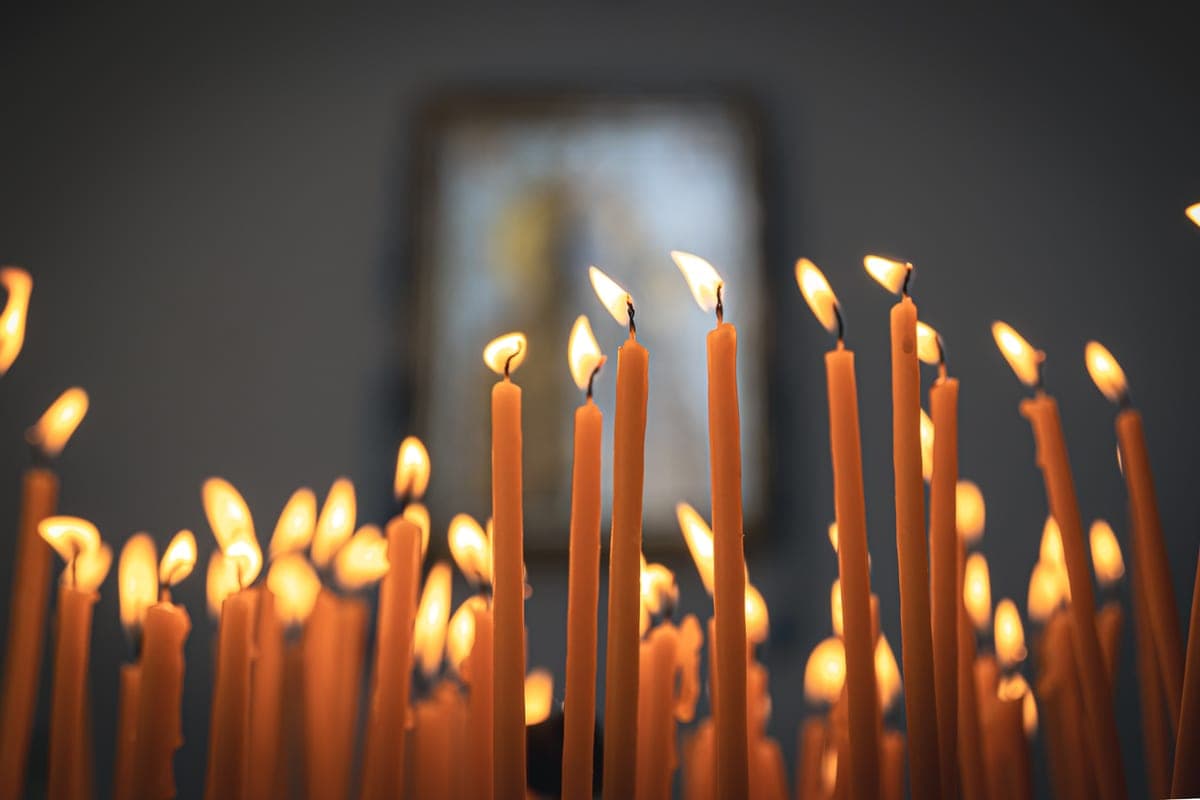
On November 10, believers remember the Great Martyr Paraskeva, who lived in the III century in Iconia. For her confession of the Christian faith, she was martyred under the emperor Diocletian. In Russia, the saint was especially revered: she was called Friday - on the day of the week, with which her name is associated - and was considered the patroness of women, the patroness of the hearth, needlework and trade. People used to say: “Paraskeva Friday is a holy woman”, and on this day women especially prayed for marriage, the health of children and family well-being.
What to do on November 10th
The main occupation of the day was considered needlework. Women spinned, weaved, embroidered and sewed - but only until lunch. It was believed that the work started on Paraskeva, argues, and things made on this day, bring prosperity and protection from troubles.
In the temples, the saint prays for healing from diseases, especially eye diseases, for the safe marriage of daughters and for help in trade affairs. It was also a day to help those in need: to give alms, to visit the sick and lonely.
The hostess baked cakes and treated their relatives and neighbors, and also distributed food to the poor. It was believed that the generosity of Paraskeva will return to the house with prosperity.
What not to do on November 10th
The strictest ban was on spinning after sunset. They believed that Paraskeva Friday strictly ensures that on her day they do not spin and weave in the evening, otherwise you can incur trouble and illness. It was also not recommended to wash, wash the floors and do heavy housework.
Do not quarrel, swear and gossip - it was believed that evil words on Paraskeva can return to the person himself. They did not lend money and things, it could lead to poverty. Do not boast about their success, so as not to jinx luck.
Pregnant women were not advised to comb their hair and cut their nails - it is believed that this could harm the baby. They also avoided the long road: the traveler could be in trouble.
Weather marks


