
Paraskeva Friday: why 10 November avoided needlework
The Orthodox Church on November 10 honors the memory of the Great Martyr Paraskeva, who is popularly called Friday, Linenitsa and Baby Intercessor. The saint lived in the III century in the city of Iconia.
Our ancestors tried to predict the onset of winter and future weather changes
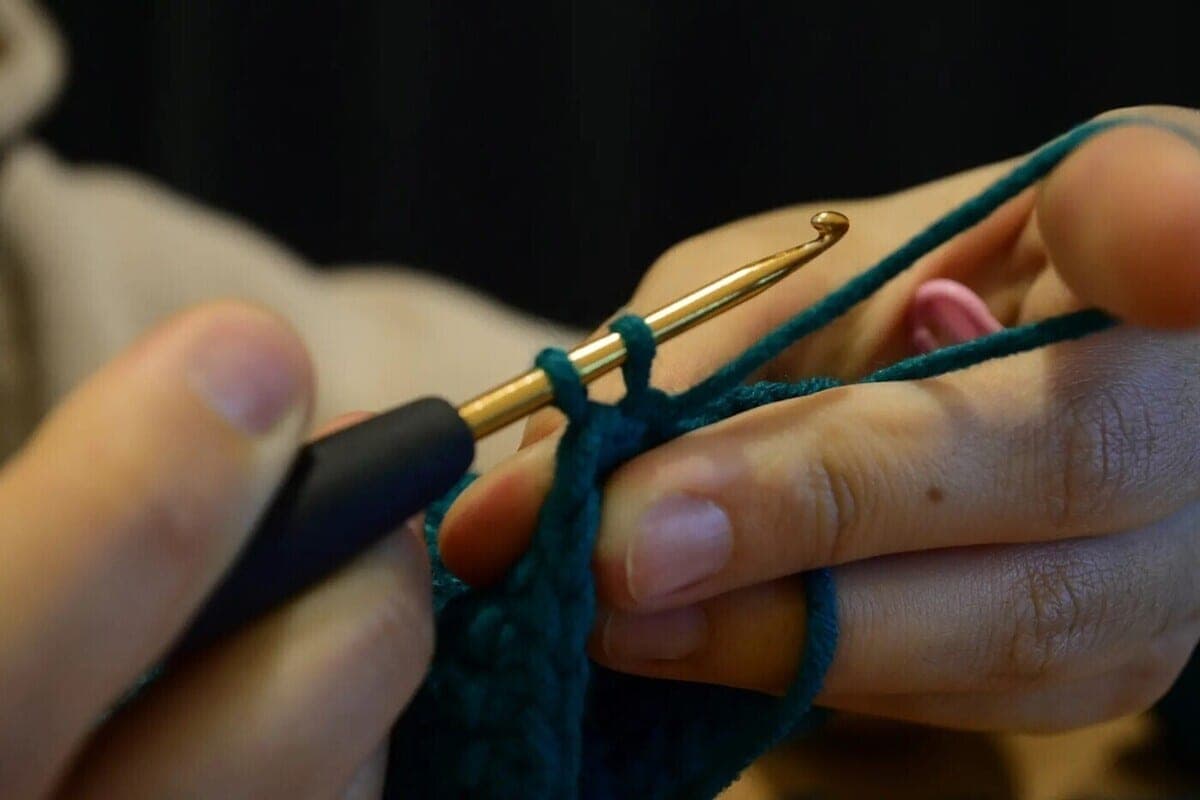
Paraskeva has long been considered the patroness of women, family, fields and household. She was prayed for family welfare, the health of children and help in difficult matters. In some areas, there was a custom of “linen stains”: girls and women showed shredded linen, demonstrating skill in needlework.
With the holy day associated with domestic prohibitions. According to popular belief, November 10 should not spin, sew, wash and start new business. They also tried not to quarrel, not to mock people and not to lend money.
The Church does not impose a general ban on daily work on this day. Restrictions related to needlework and household chores belong to folk superstitions. The main tradition for believers is prayer and appeal to St. Paraskeva.


