
Dronov told about the modernization of the woodworking enterprise in the Malovishersky district
The enterprise "LDK No. 3" in the Malowvishersky district is preparing for a large-scale modernization: the Governor of the Novgorod region Alexander Dronov reported in the MAKS-channel about plans to seriously increase production volumes.
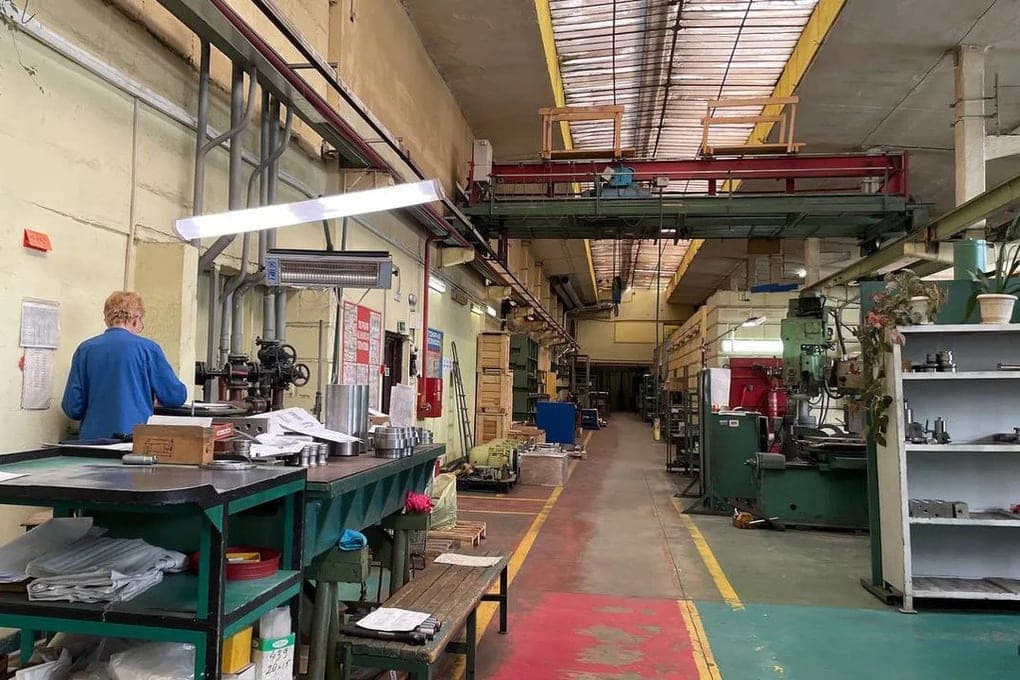
The enterprise "LDK No. 3" in the Malowvishersky district is preparing for a large-scale modernization: the Governor of the Novgorod region Alexander Dronov reported in the MAKS-channel about plans to seriously increase production volumes.
The key goal by 2032 is to increase lumber production from the current 76 thousand to almost 105 thousand cubic meters per year. The project also includes 66 new jobs.
Today, LDK No. 3 produces a wide range of products: in addition to standard lumber, it produces a trim, a block house, a flatbed floorboard, as well as pellets - fuel pellets from wood waste. As part of the modernization, the enterprise plans to enter new directions: to launch the production of elements for house building, increase the capacity for sawing wood and launch additional production lines.
The agreement on modernization was signed with the group of companies Vologda Timber Industry, which includes LDK No. 3. The document was concluded at the St. Petersburg International Economic Forum in 2025. The project will be implemented in two stages.
The project meets the goals of the national project “Effective and Competitive Economy” and is recognized as a priority for the Malowvishersky District. It was discussed in November at a visiting meeting of the regional government. According to the head of the district Dmitry Platonov, the main volume of investments - more than 2 billion rubles - is planned for 2028-2030.
Earlier, Dronov told about the new enterprise, where 177 Novgorod residents will work. It was about 17 resident of SEZ "Novgorod", which will be engaged in the production of stone wool. The new plant will produce heat and sound insulation materials for the construction of social facilities, housing and industrial infrastructure. The start of production is scheduled for the end of 2029.


