
Single day of informing at BMMC: A. Strigelsky spoke about the role of the VNS and food security
Deputy Chairman of the Minsk City Executive Committee Andrey Strigelsky held a single day of informing on the topic “Belarusian loaf — 2026: food ...”.
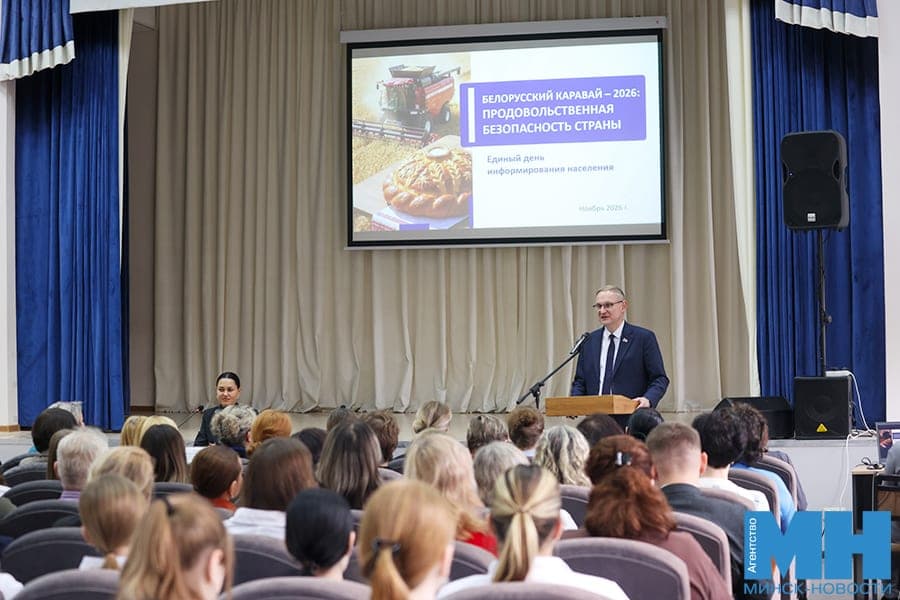
Deputy Chairman of the Minsk City Executive Committee Andrei Strigelsky held a single day of informing on the topic “Belarusian loaf — 2026: food security of the country” and “All-Belarusian People’s Assembly — guarantor of stability and progressive development of the country” at the Belarusian State Medical College on November 19, the correspondent of the Minsk-Novosti agency reports.
Ah. Strigelsky recalled that the next, third meeting of the VII All-Belarusian People’s Assembly will be held on December 17-18, and told what tasks this constitutional body faces.
- Belarus is fully self-sufficient in food and is able to feed three more countries like ours. Food exports bring about 10 billion dollars a year. At the same time, the country remains an industrial cluster: MTZ, MAZ, BELAZ and other flagships have retained their positions and are increasing sales, Strigelsky said.
Among the achievements of recent years are the Chinese-Belarusian Industrial Park Great Stone, where more than 130 residents from different countries work, and the High Technologies Park, which became the first such IT cluster in the post-Soviet space. Belarus is also among the top 5 global suppliers of dairy products and the top 15 in meat exports, supplying food to more than 115 countries. The agro-industrial complex accounts for almost 12% of GDP.
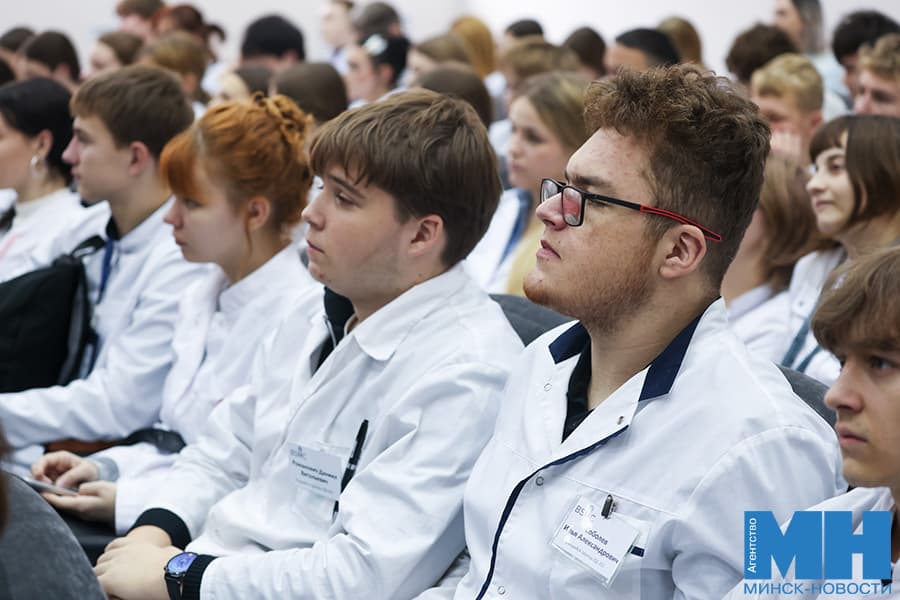
The Deputy Chairman of the Minsk City Executive Committee thanked the administration and staff of BMMC for the fact that the college increased its admission: today more than 2 thousand people study here, and more than 700 graduates come to the city’s health care system annually.
“Minsk residents see that clinics and hospitals are filled with young, trained personnel,” Strigelsky added.
The main block of the meeting was devoted to the capital’s health care. The Minsk-Mir residential complex, home to about 60,000 people, opened two modern clinics last year - an adult and a children's clinic.
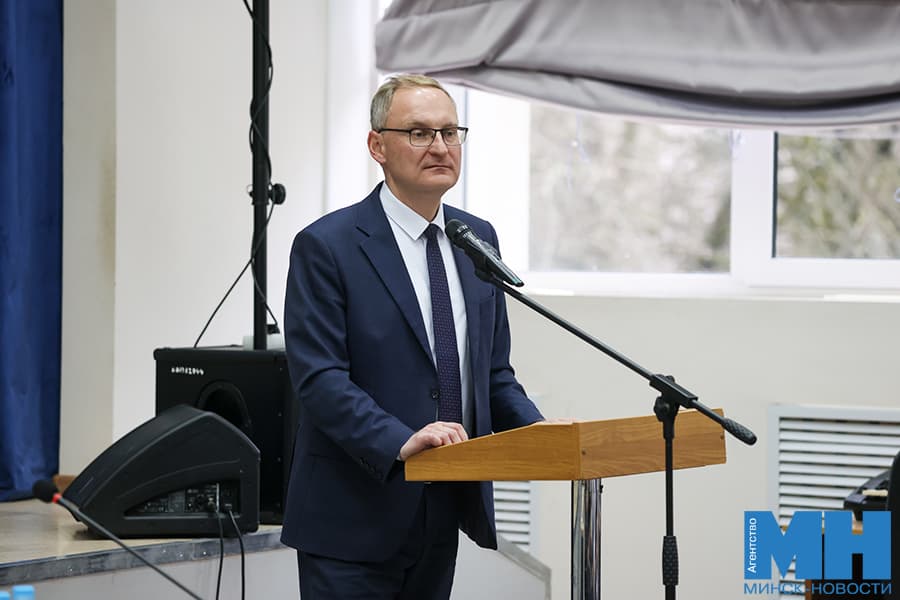
Recently, with the participation of the President, we opened a new city infectious diseases hospital. The old buildings on Kropotkin in 1913 did not cope with the load. The new clinic was built in two years: four two-storey buildings for eight departments, a diagnostic building, CT, X-rays, a laboratory, pneumatic mail for the delivery of drugs and tests, he said.
Separately, A. Strigelsky stopped at the case for especially dangerous infections - the only one in the country. It provides isolated boxes and a negative pressure environment that excludes the spread of airborne infection.
Other facilities include a new city narcological center, an additional building of the city cancer center and two buildings of the traumatological and orthopedic profile, which will serve as the city trauma center. At the beginning of next year, the construction of flagship ambulance centers will begin: there it will be possible to conduct a full diagnosis on the spot and to breed patients in directions.
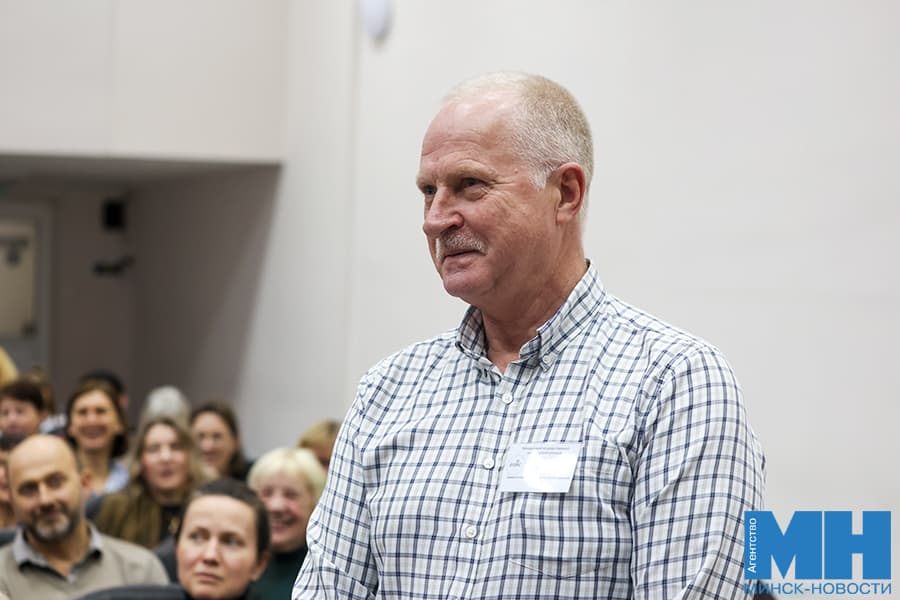
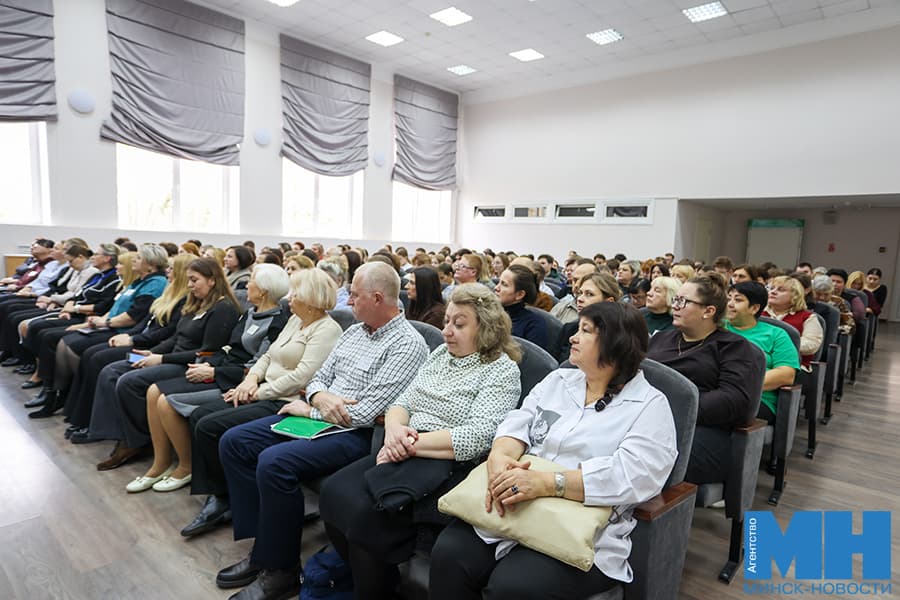
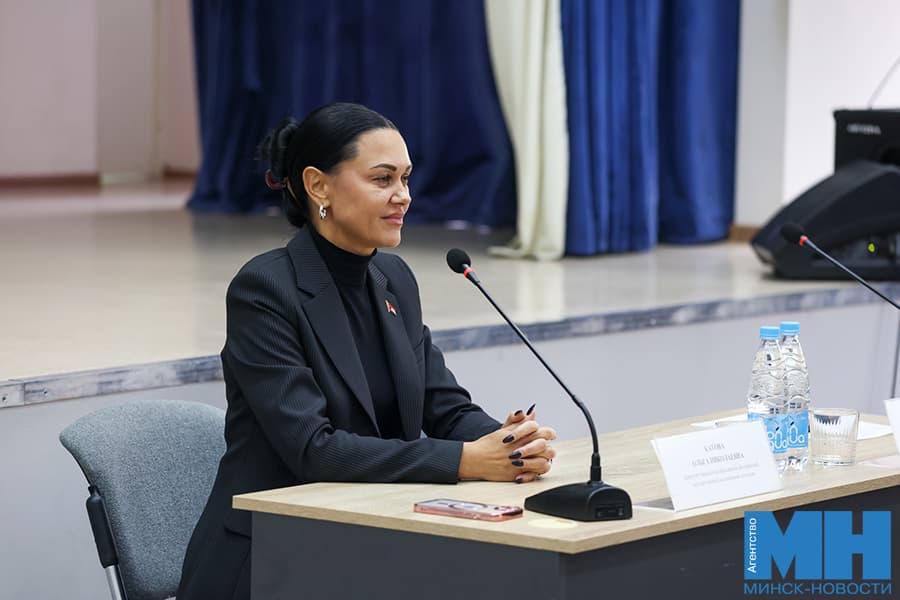
At the meeting, the issue of accommodation in dormitories, which is relevant for college students, was also raised.
- The building on the street is being reconstructed. Mayakovsky, where the hostel will be placed, and on the street. Lieutenant Kizhevatov is building an apartment-type dormitory for 1,200 beds. The required number of places in it is allocated to the college, said A. Strigelsky.
College is heard, we work closely with us, our needs are discussed and taken into account. This support is always supported by the specific conditions in which students study and teachers work. Places for our students in the new hostel have already been determined. For children who come to study in Minsk from other cities, this changes a lot, said Olga Katova, director of the college.
For employees, there is a similar scheme: apartment-type dormitories for 400 apartments near the 11th hospital and the new infectious diseases hospital in Novinki allow you to unload the queue of people in need of housing.
Photo by Diana Shabala


