
The “Ozempic” effect: U.S. restaurants redraw the menu due to falling appetite
Restaurants and the largest fast food chains in the United States faced a massive drop in the average check and order volumes due to the explosive growth of the popularity of drugs for weight loss class GLP-1, such as Ozempic and Vegovi, according to the publication Fast Company
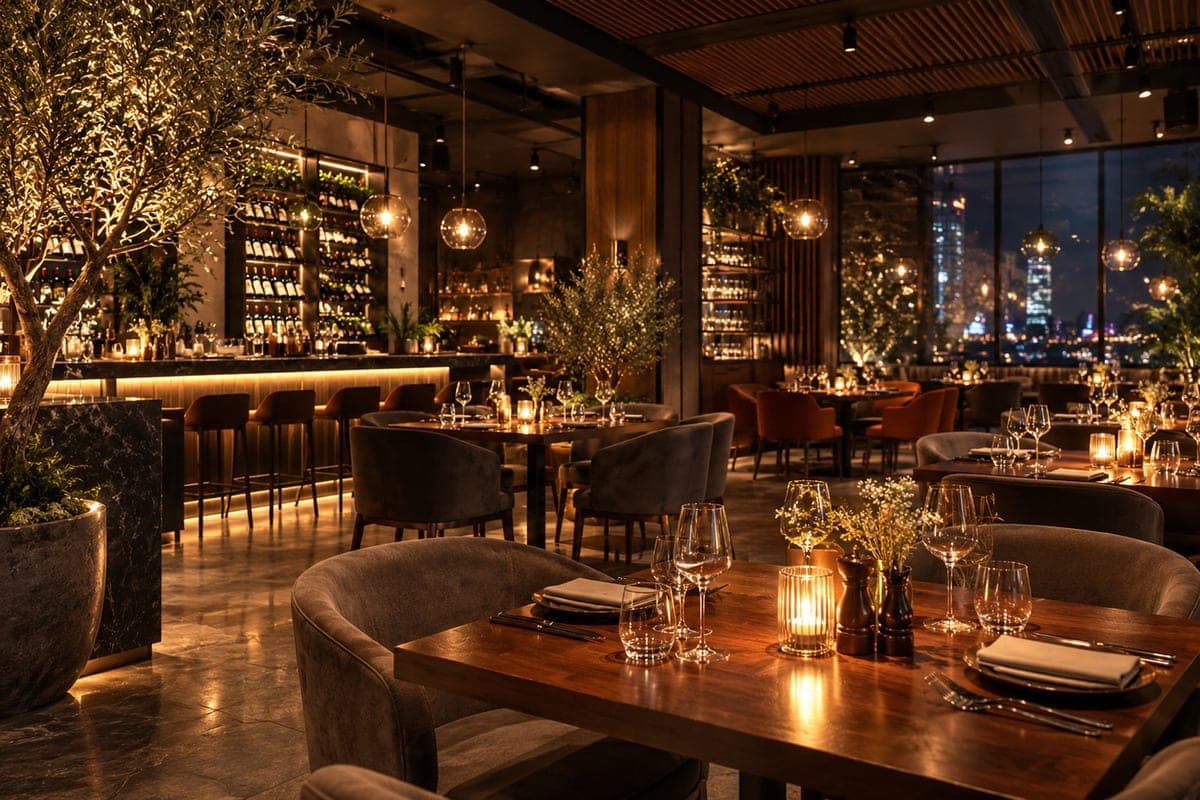
Restaurants and the largest fast food chains in the United States have faced a massive drop in the average check and order volumes due to the explosive growth of the popularity of GLP-1 weight loss drugs such as Ozempic and Vegovi, according to the Fast Company. According to industry analysts, drugs suppress appetite in about one in nine adults in the country (about 30 million Americans), which forces catering establishments to quickly revise recipes and the concept of serving dishes.
Visitors on the injection course practically refuse desserts, soda, heavy fat sauces and traditionally giant portions, ordering only a third of their previous diet. In response to changing eating habits, giants such as McDonald’s, Subway, Chipotle and Burger King began massively introducing alternative options: high-protein bowls, light protein envelopes (Protein Pockets), mini-burgers and the ability to order a serving of boiled or baked fillets of poultry without carbohydrate side dishes.
In addition to fast food, institutions of the classical format are being rebuilt, replacing hearty second dishes with tapas format, micro-snacks for joint order and specialized sections of “light food”. Restaurants recognize that the structural shift in consumer tastes is irreversible, and to maintain revenue, establishments have to sell less food, but with an emphasis on high nutritional density and quality of ingredients.
Kiev will not be the same: the main bridges across the Dnieper


