
Eco-friendly, replenishable, eternal, universal. The expert explained why Belarusian flax is always relevant
What helps the Belarusian flax always remain relevant, on the air of the TV channel ONTRAS said the Director of the Institute of flax of the National Academy of Sciences of Belarus Ivan Golub. About this...
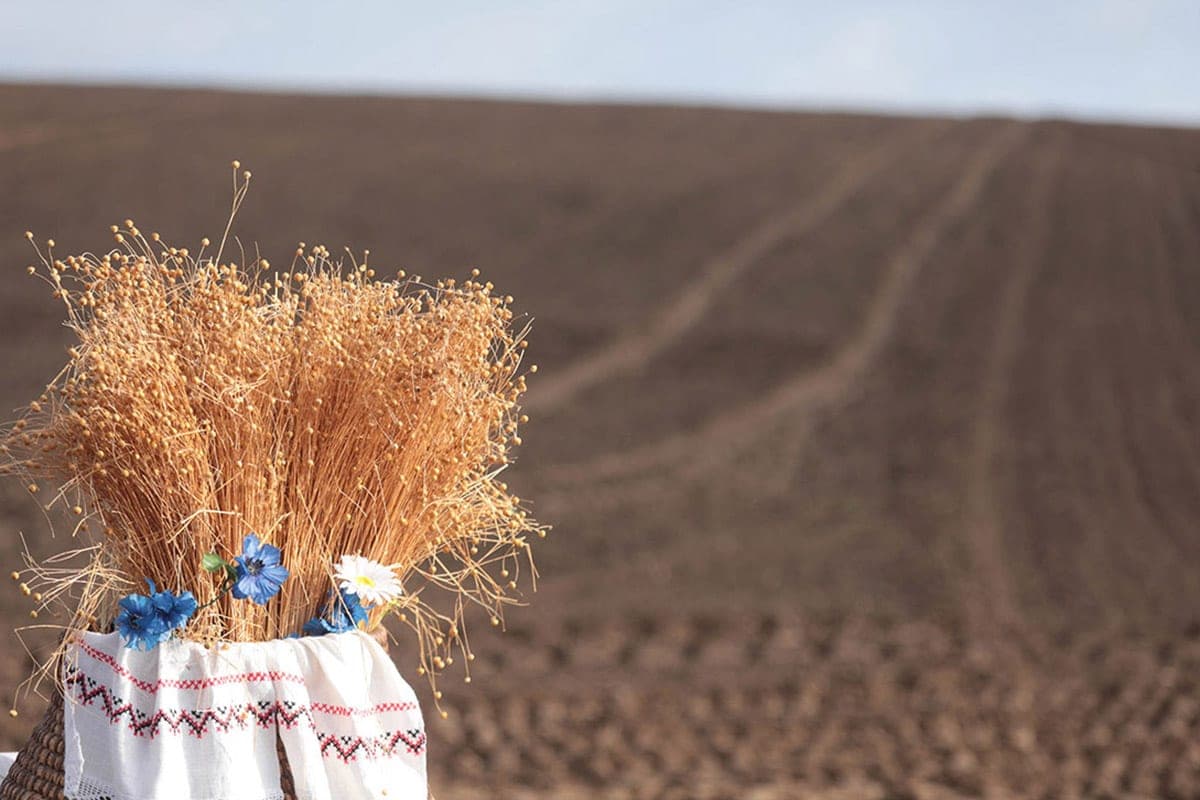
What helps the Belarusian linen always remain relevant, Ivan Golub, director of the Institute of Flax of the National Academy of Sciences of Belarus, told the ONT TV channel. It's from sb.by.
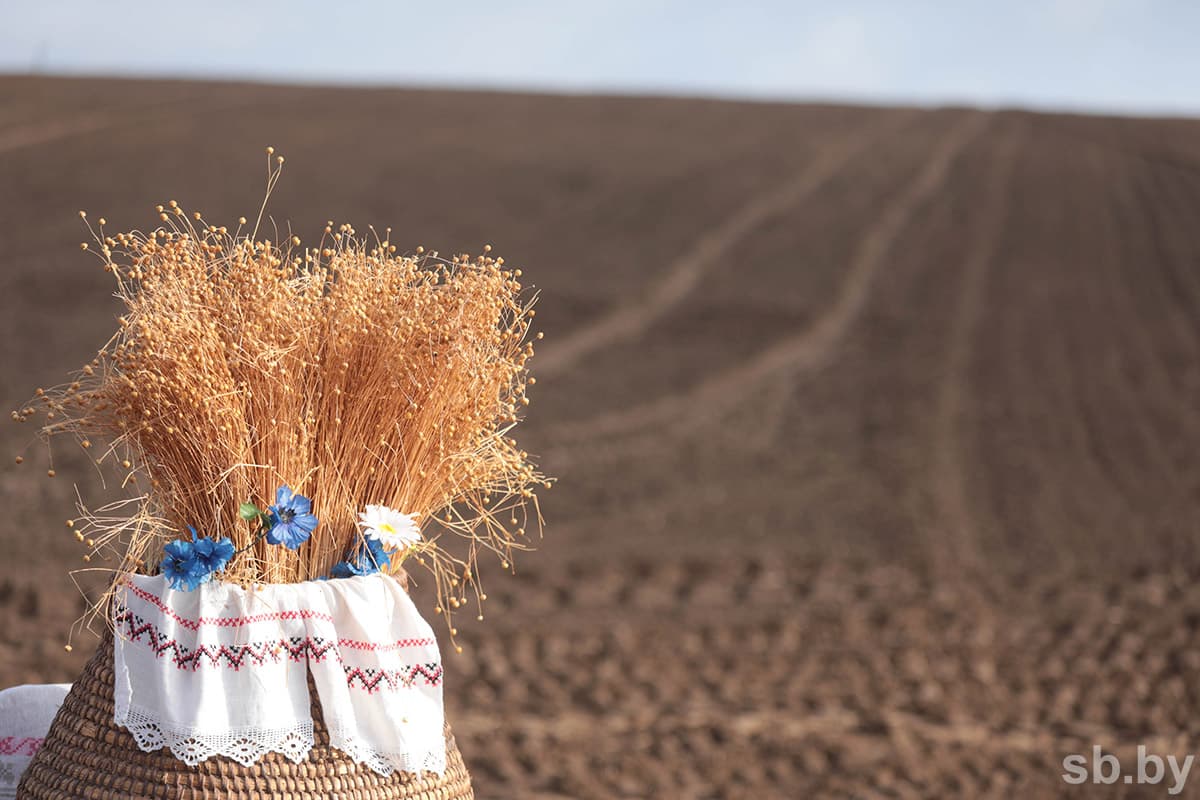
- The most important thing is that our flax is environmentally friendly. It's a replaceable product. If in the creation of artificial fabrics, exhaustible oil, coal are used, then flax is an eternal product. We will always grow it. The difference between our linen fabrics and glass fabrics is that in winter, linen fabric keeps warm, and in summer it keeps cool, said Ivan Golub.
According to him, flax is a culture that can not be deceived, you need to comply with certain conditions to get a good harvest. Soil acidity and sowing time are important. If you sow late, then there may not be enough moisture for the plant to develop normally and grow well.
The Institute is 25 years old, and we are constantly working on breeding varieties that are resistant to adverse weather conditions. We always recommend cultivating flax on medium loamy soils - those that retain moisture well. The sand is draining. The dry upper layer - and flax dies, this soil does not give the crop that we should get. And on medium loamy soils, even with a lack of moisture, clay holds it down, and flax grows perfectly, the expert said.
Belarusian varieties are grown in different countries. So, in Russia, six Belarusian varieties of flax are used, and the "grant" variety occupies the first place in sown areas. This suggests that our varieties are versatile and can work anywhere. Western breeding varieties were also derived from ours.
Today there are 35 Belarusian varieties in the republic. But that doesn't mean all 35 are working. Once worked one, then another. There has to be an update all the time. We can't stand still. If we stopped, then the varieties may simply not give the crop we expect, and flax begins to fall in quality, so this is a continuous process, added Ivan Golub.


