
The economy of reasonable consumption: how to save on housing and communal services in 2026
In 2026, the cost of housing and communal services remains one of the main items of the budget after the cost of food and housing (mortgage or rent)
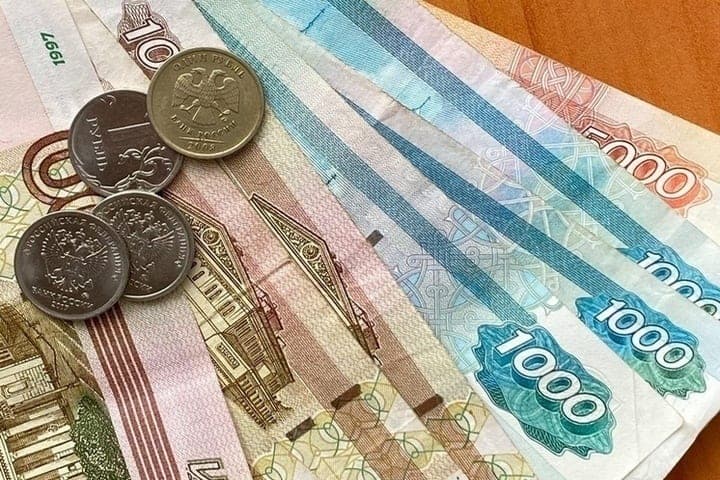
In 2026, the cost of housing and communal services remains one of the main items of the budget after the cost of food and housing (mortgage or rent). Tariffs keep rising.
According to research, some Russians systematically overpay for utility services, without even realizing it. The “communal trap” is formed from three components: hidden consumption of resources, errors in accruals by management companies and ignorance of their rights to benefits and subsidies.
Where is your money hiding
Before you start saving, it is necessary to analyze in detail the structure of payment for utility services. The charges are divided into two parts.
Individual consumption is a variable part of the account, which depends on your lifestyle and the technical equipment of the housing. This includes:
You can influence these costs with the help of individual metering devices (counters). Payment by standard, not by actual consumption, remains one of the most common causes of overpayments in 2026. Consumption rates tend to be higher than real family habits.
Maintenance of premises and general household needs is a fixed or semi-variable part, which includes:
Savings are possible through participation in general meetings of owners. Choosing a more efficient management company, challenging inflated estimates for repairs and controlling the expenditure of funds for general household needs.
Accounting instruments as the basis of savings
The transition from payment by standards to payment by actual consumption is the first and most important step towards reducing charges for communal services.
Conventional mechanical meters require monthly manual transmission of readings. Smart meters (with a radio module) automatically transmit data to the management company or settlement center. If you go on vacation, the meter records zero consumption (excluding heating), and you will not receive a water bill.
Modern devices can signal a continuous flow of water, which helps to notice the leakage of the pipe in time and avoid flooding neighbors.
Multi-tariff electric meters help to save. There is a two-tariff (day/night) - night fare (usually from 23:00 to 07:00) is much cheaper than the daily one. In the late hours, housewives run washing machines and dishwashers, as well as water heaters.
The three-tariff meter (peak / half-peak / night) reduces costs by transferring energy-consuming equipment to periods of semi-peak load.
Replacing the meter costs 3,000–5,000 rubles. For a family that actively uses household appliances at night, the savings are 15-25% of the bill for lighting.
On the subject: Ryazans were given simple advice on how to save on housing services
It allows you not to “heat the street”, airing the room to reduce the temperature. Reducing the temperature in the room by only 1 degree saves up to 5-7% of heat. On the scale of the season, this translates into a significant amount.
The expert on housing told how to save 90 liters of water in the apartment
Household life hacks to reduce the cost of “communal”
Crane aerators. These are nozzles that mix water with air. The jet becomes soft and bulky, but water consumption decreases by 30-50%. The cost of the aerator is from 100 rubles, the installation takes a minute.
Shower waters with savings. Modern models with a start-stop function and a flow limit of 8-9 liters per minute.
Dishwasher. When fully loaded, it consumes 5-10 times less water than hand washing under a flowing stream.
LED lighting. If incandescent lamps or old fluorescent lamps remain in the apartment, their replacement with LED pays off in 2-3 months. LED lamps consume 8-10 times less energy and last for years.
On the subject: Ryazans called the main mistake in the repair of the old Fund — the wrong start
The fight against “ghost consumption”. Standby equipment (televisions, consoles, charging in sockets) consumes up to 5-10% of all electricity in the house. The use of network filters with a switch allows you to de-energize a group of devices with one click.
Energy efficiency class: When buying new large equipment (refrigerator, washing machine) pay attention to class A, A+, A++. The difference in consumption between class B and A++ can reach 50%
Reflective screens. Installing a foiled screen behind the radiator sends heat into the room rather than into the wall. This gives an increase in temperature by 1-2 degrees without increasing the supply of coolant. Insulation. Verification and replacement of seals on windows, sealing of interpanel seams (for residents of the ICD) are measures that directly affect heat bills.


