
Exports, personnel, robotics, AI were among the topics of the INNOPROM business program. Belarus
The development of exports, personnel, robotics, artificial intelligence and other topics were included in the business program of the international industrial industry.
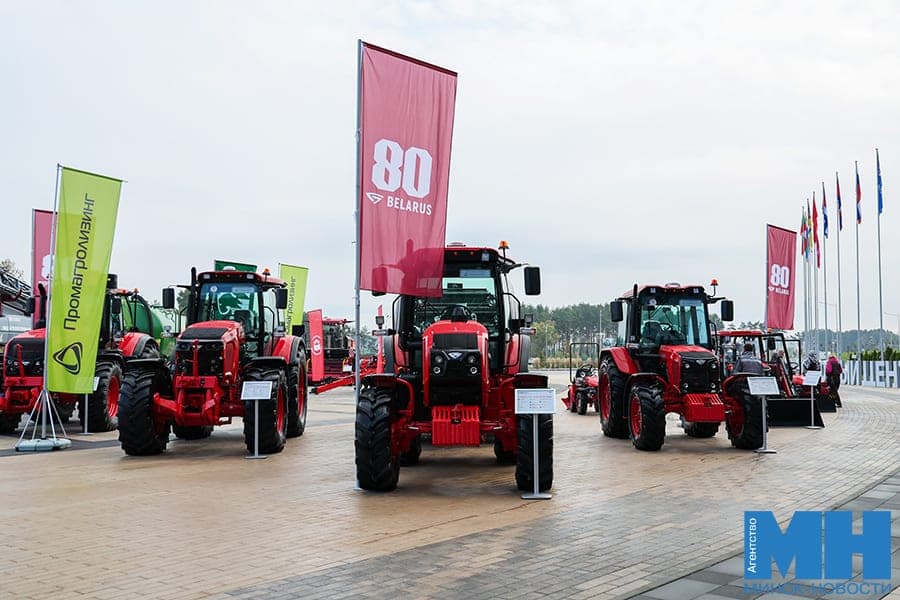
Export development, personnel, robotics, artificial intelligence and other topics were included in the business program of the INNOPROM international industrial exhibition. Belarus, which opened in Minsk, reports the correspondent of the Minsk-Novosti agency.
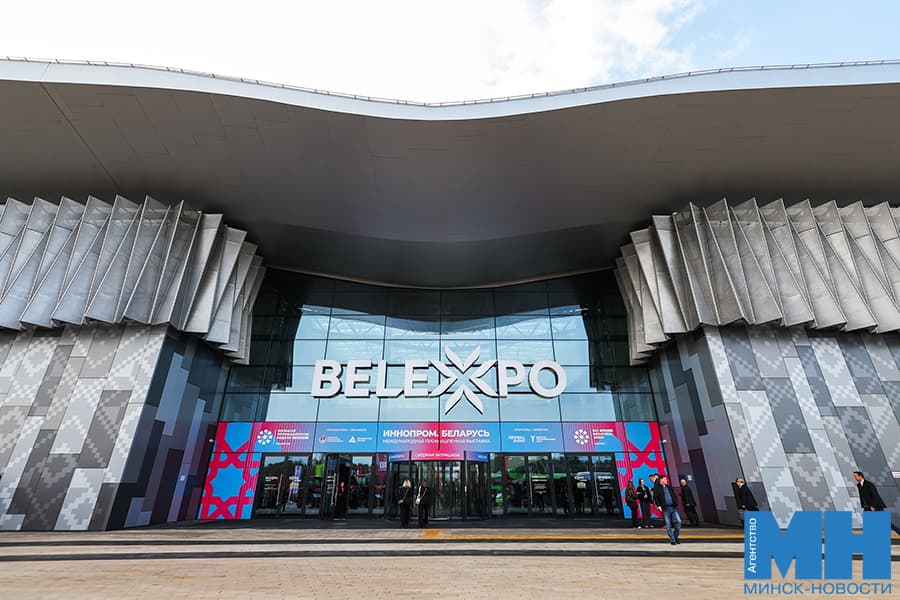
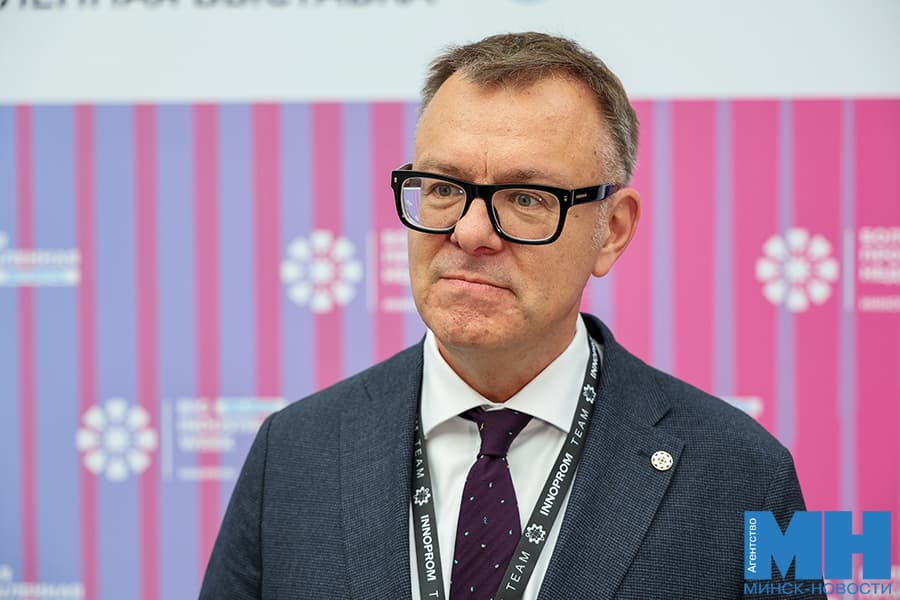
Representatives of four dozen countries participate in the exhibition. According to the program director of the exhibition Anton Atrashkin, companies from Russia, Belarus, Kazakhstan, Kyrgyzstan, Iran, Cambodia, Azerbaijan and many others brought new industrial equipment to the capital of Belarus.
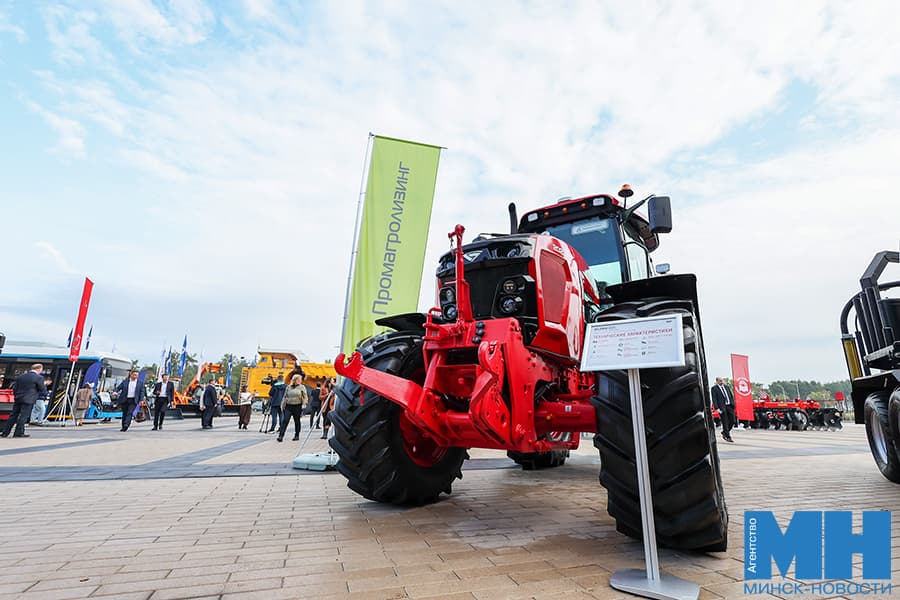
- This year we held INNOPROM for the sixth time in Tashkent, launched it for the first time in India and Saudi Arabia, but INNOPROM in Minsk is special for us. It is here that a huge number of cooperation projects are presented, when it is even difficult to determine in which country industrial equipment is made, because so many engineers from different countries have worked on its creation. This union product distinguishes the exhibition in Minsk from our other projects, BelTA quotes A. Atrashkin.
Among the topics of the business program of the exhibition are the development of exports, staffing, robotics, artificial intelligence. Speaking about the relevance of the last two areas, the program director noted that we are talking about industrial plants created jointly by Russian and Belarusian engineers. They will discuss how to improve these products. In addition, now when creating new machines or software, companies use AI technologies.
Speech at the main session of the heads of government of a number of countries will attract even more business representatives to the exhibition. The organizers are interested in the regularity of the INNOPROM exhibition in Minsk. First of all, countries with which serious business relations have developed, where Belarusian industrial equipment is valued and awaited, are chosen for its implementation.
The Robotization Effect
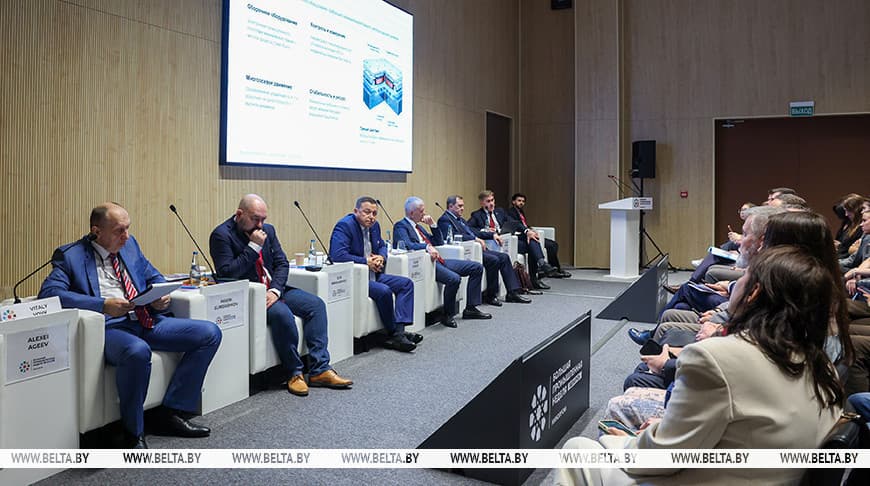
Robotization helps domestic enterprises reduce the labor intensity of production. This was noted by Deputy Minister of Industry of Belarus Alexey Kozlov at the session “Single outline: synergy of robotic complexes in the EAEU industry” on the sidelines of the exhibition forum.
The member states of the Eurasian Economic Union join forces to ensure technological sovereignty and create competitive products in this field. The interstate program on industrial robotics is being coordinated and provides for the formation of a common strategy for the development of robotics.
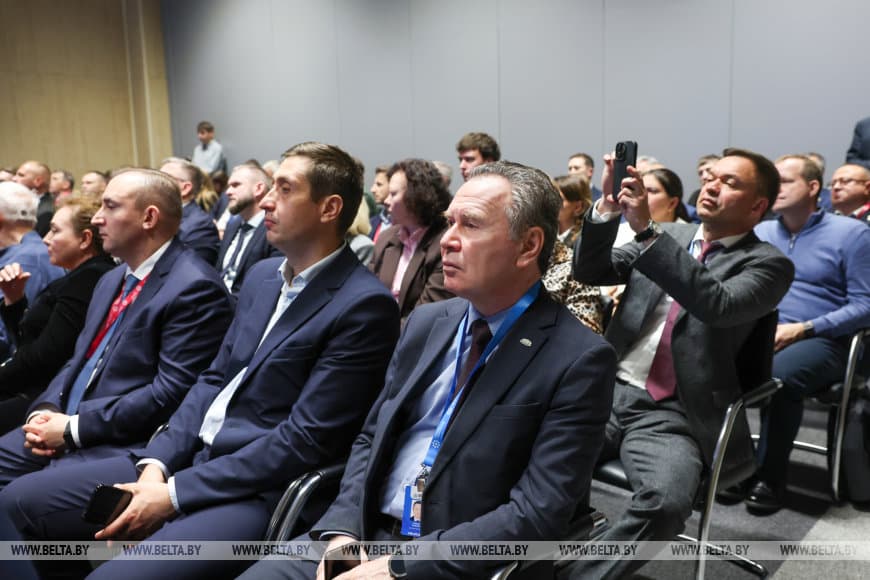
The Deputy Minister named two key areas: the introduction of unmanned robotic systems in the final products of industrial enterprises, as well as robotic systems in the technological processes of production. Robotics gradually give heavy and monotonous processes, improving the working conditions of workers and reducing the complexity of operations. For example, robots already perform about 40% of welds at BelAZ.
The President of Belarus previously set a task to increase the density of robotization in the republic by almost 10 times by 2030 to at least 100 robotic systems per 10,000 workers employed in the manufacturing industry. Decree No. 198 is aimed at developing the robotics industry and creating conditions for state support for those who are interested in implementing such developments, including software.
Ah. Kozlov called the introduction of robots in production processes an important condition for technological leadership and preserving the export potential of any country.
Additive technologies
The introduction of additive technologies contributes to the transition to a new technological order. Three-dimensional printing is fast enough and cost-effective to create products of complex shapes. At the same time, the amount of waste is reduced. This distinguishes this technology from traditional production methods.
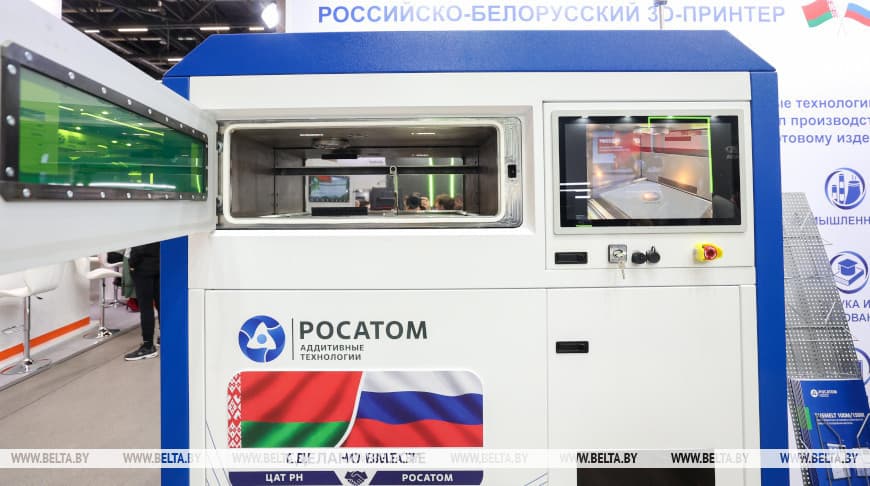
A year ago, Rosatom and Horizon Holding opened an additive technologies center in Minsk, which supplies products to domestic industrial and energy enterprises. The first Belarusian-Russian 3D printer RusMelt 150M was presented at the INNOPROM exhibition in the capital. Such small-sized installations are needed in industry, medicine, scientific and educational institutions.
Ilya Kavelashvili, general director of the Additive Technologies business of the fuel division of Rosatom, said that the joint project gives the Russian side an opportunity to expand sales markets, and the Belarusian side - to master the new technology. This year, Belarusians made key components for the printer, and next year it is planned to completely localize the production of printers with a field of construction of 100 and 150 mm in Belarus.
The republic will become our main production site for this type of printers, Kavelashvili added.
He noted that it is necessary to develop additive technologies so that products remain competitive in the future. Belarus expects to create one of the key production sites to produce 3D printers, auxiliary equipment for this technology, as well as to develop scientific activities.
Strengthening cooperation
Deputy Prime Minister Viktor Karankevich on the sidelines of the INNOPROM exhibition. Belarus held a series of working meetings with the heads of delegations of the Russian regions - Novosibirsk region, Bashkortostan and Dagestan. The press service of the Belarusian government informed that the main topic of the talks was the strengthening of industrial cooperation. The deepening of production cooperation, mutual supplies of equipment and components, the development of joint high-tech industries were thoroughly discussed.
The parties noted the high frequency and practical effectiveness of interregional contacts in recent years. Regular dialogue allows us to respond quickly to economic challenges and solve the problem of ensuring the technological sovereignty of the Union State.
Photo by Denis Kulagi and Belta


