Evlampiy Winter indicator October 23: what not to do and what are the signs
October 23, 2026 according to the national calendar is celebrated Evlampiy Winter indicator
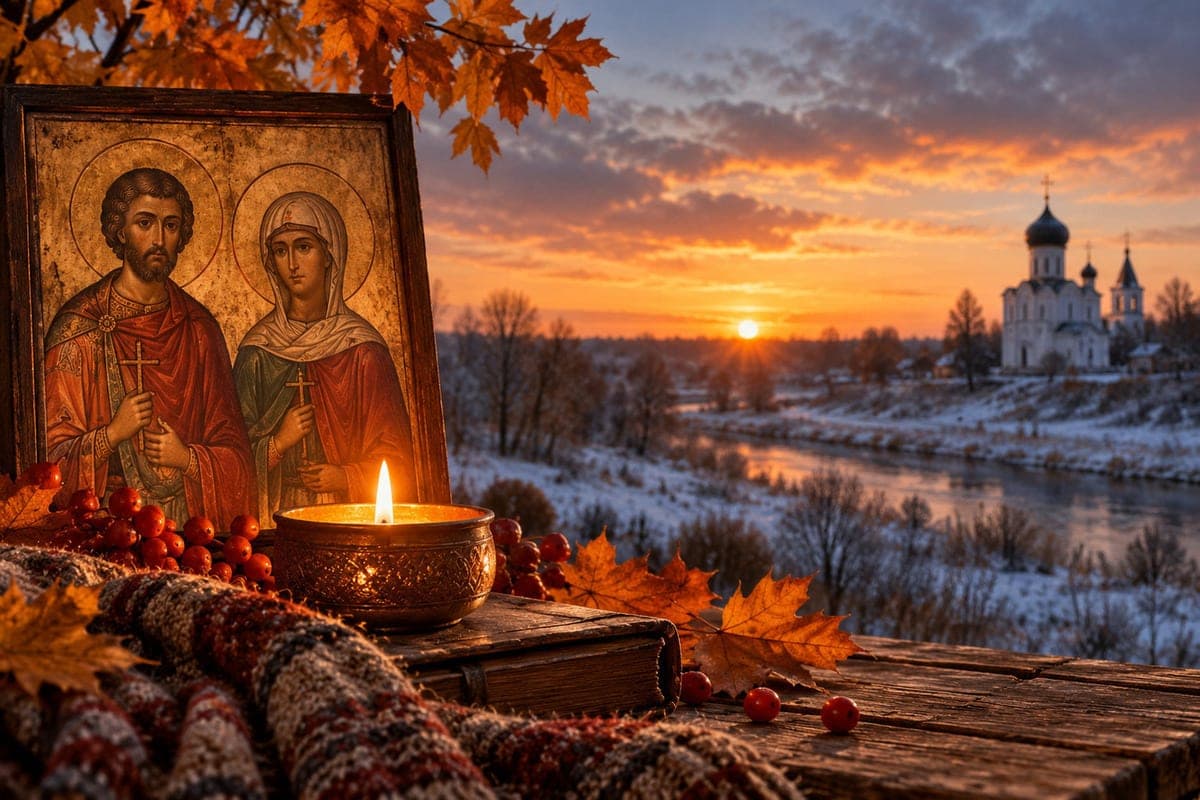
On October 23, 2026, according to the national calendar, Evlampiy Winter Indicator is celebrated. On this day, the Orthodox Church remembers the holy martyrs Eulampius and Eulampius, brother and sister, who lived at the beginning of the IV century. In Russia, the weather on this day tried to determine when winter will come, and also observed special prohibitions related to household chores, money and family life.
According to church tradition, Eulampius and Eulampius lived in Nicomedia during the time of Emperor Maximian, when Christians were persecuted. Eulampius was captured after he openly condemned the persecution of co-religionists. His sister, after learning of the incident, also declared herself a Christian. Both refused to renounce their faith and accepted martyrdom.
In the people, the holiday was called the Winter Indicator, since the weather on October 23 was associated with the onset of winter cold. Another name, Evlampiy Svetilnik, reminded of the ancient custom of harvesting a ray for lighting houses with the onset of long autumn evenings.
There were many bans on this day. According to legends, on October 23, it was impossible to sweep the floor and clean up, so that along with the garbage not to take luck out of the house. They were not advised to play weddings, start new business or buy clothes. It was believed that a family union can be fragile, beginnings will not bring results, and new things wear out quickly.
There was a special relationship with fire. On this day, they tried not to lend candles and matches to neighbors, fearing to give home warmth and well-being together with them. It is also not recommended to wear jewelry and guess.
At the same time, it was customary to gather at the bonfires, arrange evening gatherings, do needlework and repair household tools. Old things were sometimes burned, believing that illness and trouble would disappear with them.
The main weather signs were associated with the month. If its horns pointed north, it was expected to arrive in winter. If to the south, prepared for the protracted autumn slush and late cold.
The absence of morning frost, according to legends, foreshadowed another month of relatively warm weather. Rain on October 23 was considered a sign that snow would not fall until November 4. The north and east wind was associated with cooling, and the west with thaw and rain.
If green leaves were preserved on the tops of the willows, they waited for early spring. The clear sky in the west was considered a harbinger of rain-free weather.
On this day, the name day celebrates Eulampius and Eulampia. Popular prohibitions and weather signs belong to traditional beliefs and have no scientific confirmation.