
The death of geese near the border with Russia: in Finland found the cause
Avian reovirus has become a likely cause of mass deaths of wild geese in several regions of Finland, including near the Russian border
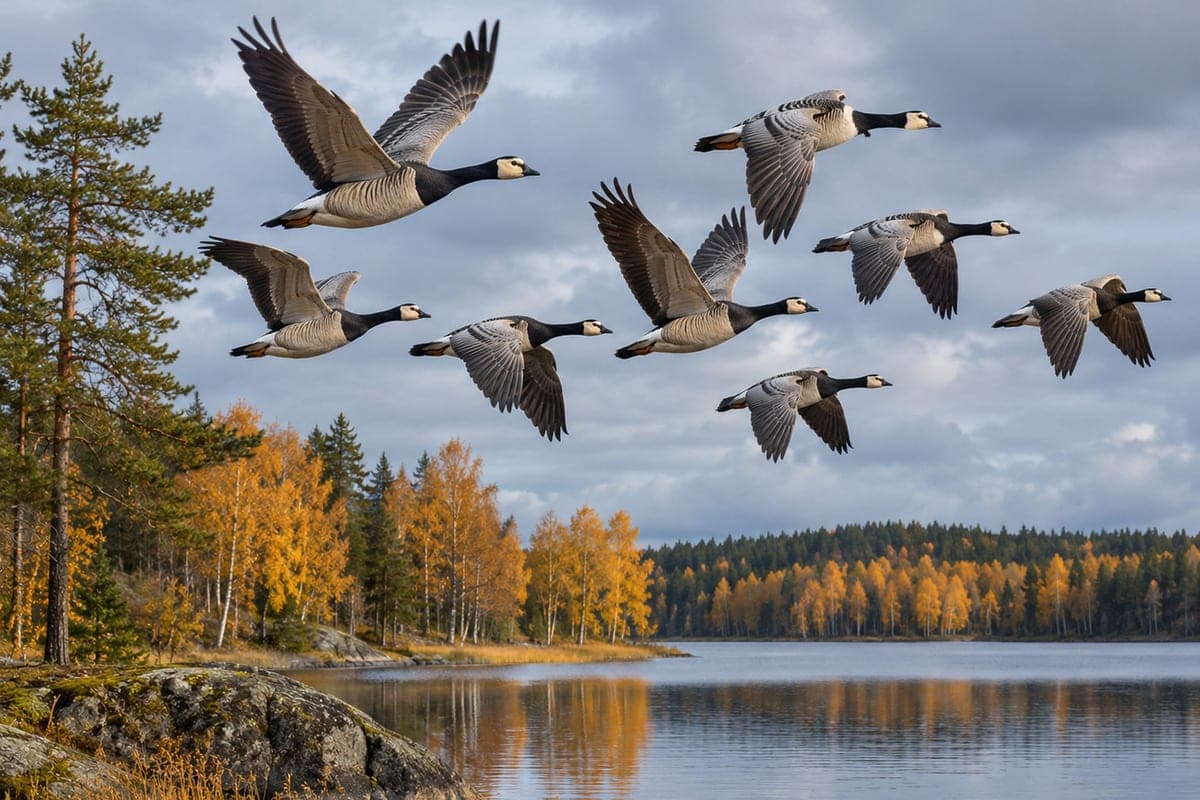
Avian reovirus has become a likely cause of mass deaths of wild geese in several regions of Finland, including near the Russian border. Laboratory studies confirmed the presence of the pathogen in all 64 dead birds. This was reported on November 16 by the Food Safety Agency of Finland (Ruokavirasto).
Experts examined samples of the white-cheeked Cossacks' organs found dead in October and November. The studies covered the territories of South and North Karelia, South Savo and Payat-Häme. All the birds examined were young.
The tests revealed avian reovirus (Orthoreovirus avis). Similar pathogens are common all over the world and are found among both wild and domestic birds.
Earlier in Finland, this virus was found in chicks of ordinary gaga and crows. However, before its discovery was not accompanied by such a large-scale death of wild birds.
The agency also stressed that the virus does not pose a threat to people, dogs and cats.
The first reports of mass deaths of geese came in late October from the border areas with Russia. In particular, dead birds were found in Tohmayarvi and Joensuu.
At the same time, cases of infection of wild birds with highly pathogenic avian influenza were recorded in other parts of the country. In October and November, separate pockets were discovered on the west coast of Finland - from the Turku archipelago to Oulu. The H5N1 virus has been confirmed in spike swan, owl and wild geese.
The situation coincided with the beginning of the hunting season for certain species of wild geese. In Finland, previously allowed such hunting, hoping to reduce the damage to agriculture.
The problem of mass accumulation of migratory geese is especially relevant for North Karelia. For almost two decades, the region has been facing an increase in the number of birds that move between the Barents Sea and the southern regions during seasonal flights.
Subscribe to MK in MAX. You will always be aware of the latest developments!


