
The state Duma on November 17 will consider in the first reading a bill on fines for “discrediting traditional values”
And the fines again
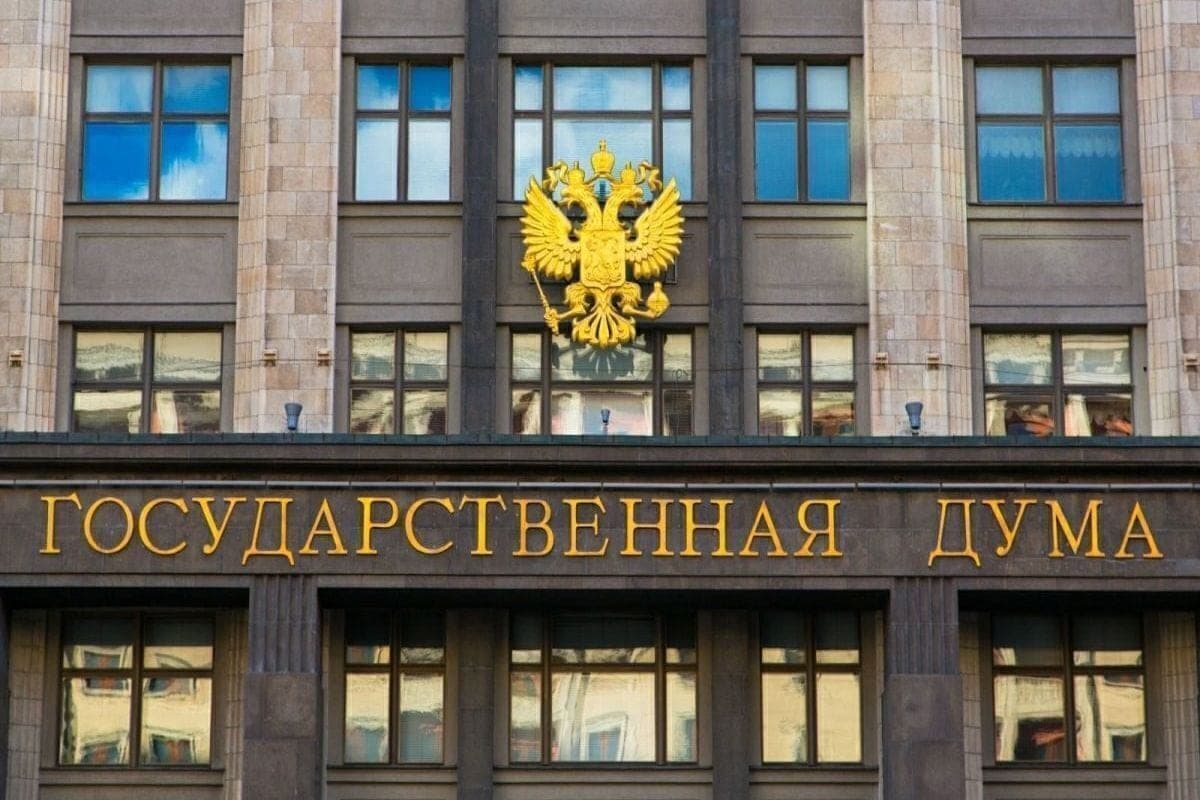
Again about fines. On November 17, the State Duma intends to consider in the first reading a bill on administrative fines for the distribution of audiovisual works that “discredit traditional Russian spiritual and moral values” or “promote their denial.” The profile committee has already recommended the adoption of the document.
According to the bill, liability is provided not only for ordinary users, but also for owners of audiovisual services and social networks. For primary violation, citizens face a fine of 5 to 10 thousand rubles, officials - from 50 to 100 thousand rubles, legal entities - from 500 to 700 thousand rubles.
In case of repeated violation, sanctions significantly increase: for citizens – up to 150 thousand rubles, for officials – up to 400 thousand rubles, for companies – up to 3 million rubles.
Owners of online cinemas and social networks will have to remove controversial materials at the request of Roskomnadzor. If the platform does not comply with the order within a day, it faces a separate fine: up to 20 thousand rubles for citizens, up to 200 thousand for officials and up to 1 million rubles for legal entities.
At the same time, the bill provides for the possibility of avoiding liability: if the owner of the service removes the work within a day from the moment of revocation of the rental certificate, the fine will not be imposed.
According to the relevant committee, the decision on fines Roskomnadzor will be able to take extrajudicially. This means that the platform does not have to wait for a court order to receive an order to remove content.
It is planned to charge the Ministry of Culture for the distribution of such materials, and Roskomnadzor for refusing to block content.
The State Duma Committee on Criminal and Administrative Legislation on November 9 recommended the adoption of the bill in the first reading. At the same time, the committee concluded that the document should not have retroactive force.
This means that the fines will not apply to materials published before the law comes into force, if the rule is adopted in the current version.
On November 17, the bill will pass its first reading. After that, the document can be sent for revision, amendments and subsequent readings.
The question of how the opposition factions will vote remains open. MPs note that the initiative can cause controversy, as it affects not only the regulation of content, but also the boundaries of responsibility of digital platforms.
If the law is passed, online cinemas, social networks and other audiovisual services will be under stricter control. For users, this could mean limiting access to individual films, TV series and other works, and for platforms, the need to respond faster to regulators’ requirements.


