
Klishevich on the influence of social networks on decision-making and the line between criticism and pressure
Even 20 years ago, creating video content was technically quite complex and expensive: you needed a digital camera, a studio, and infrastructure.
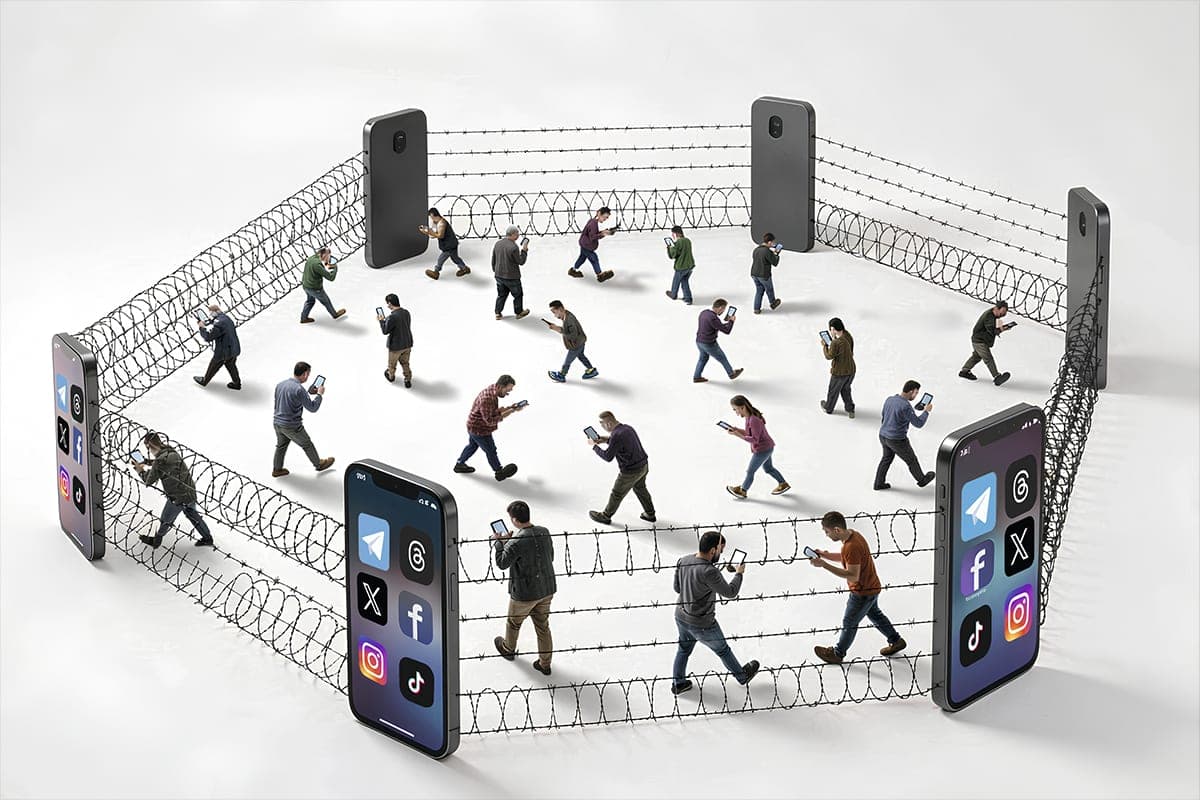
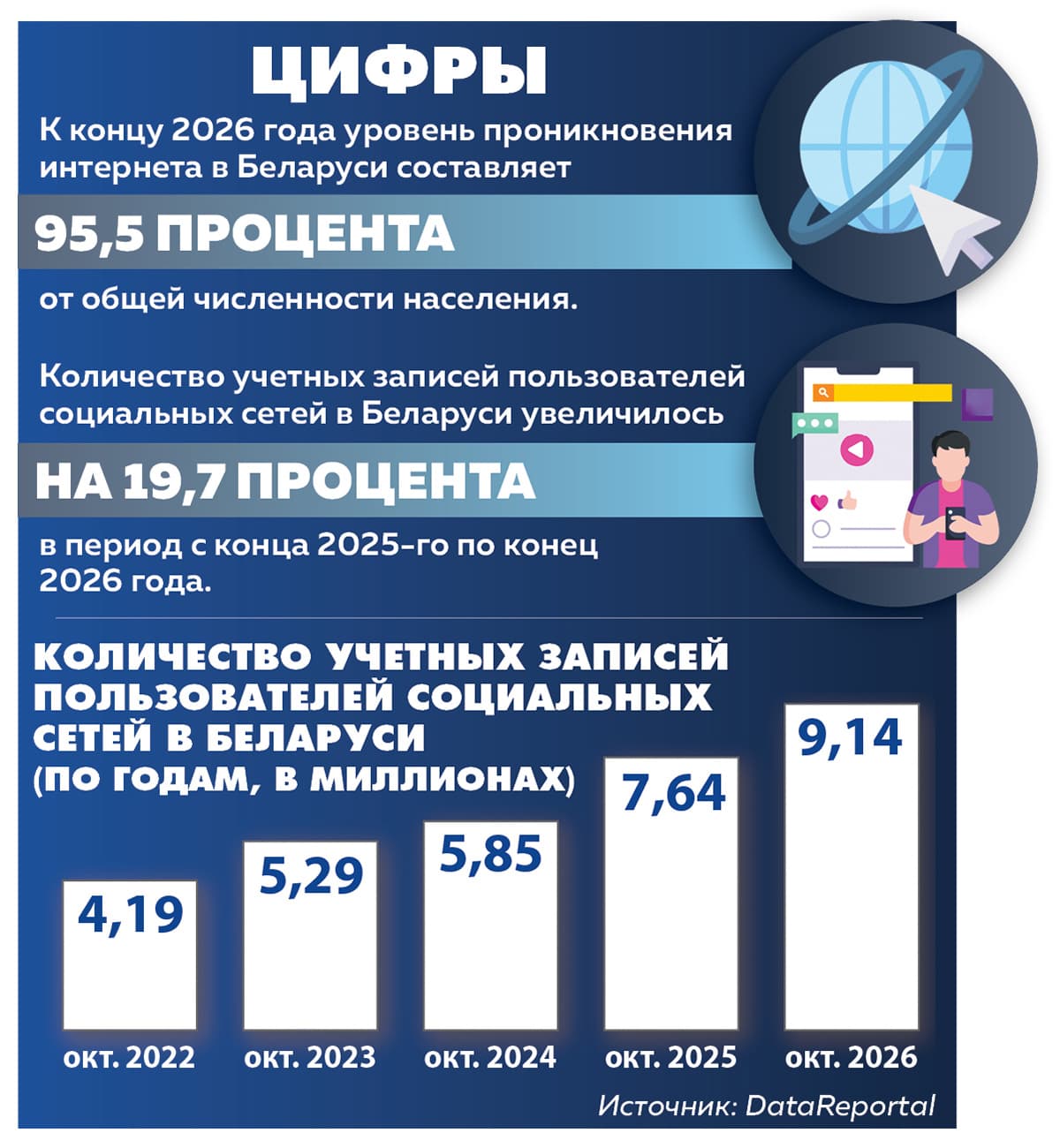
Even 20 years ago, creating video content was technically quite complex and expensive: it required a digital camera, a studio, and distribution infrastructure such as broadcasting and cable network. Internet services were just beginning to develop, and social networks were mainly text platforms because free servers did not allow storing large amounts of data. Today, the TV studio is in the pocket of every Belarusian. Therefore, the number of Belarusian accounts in social networks is constantly increasing. What does this growth mean and what does it make you think?
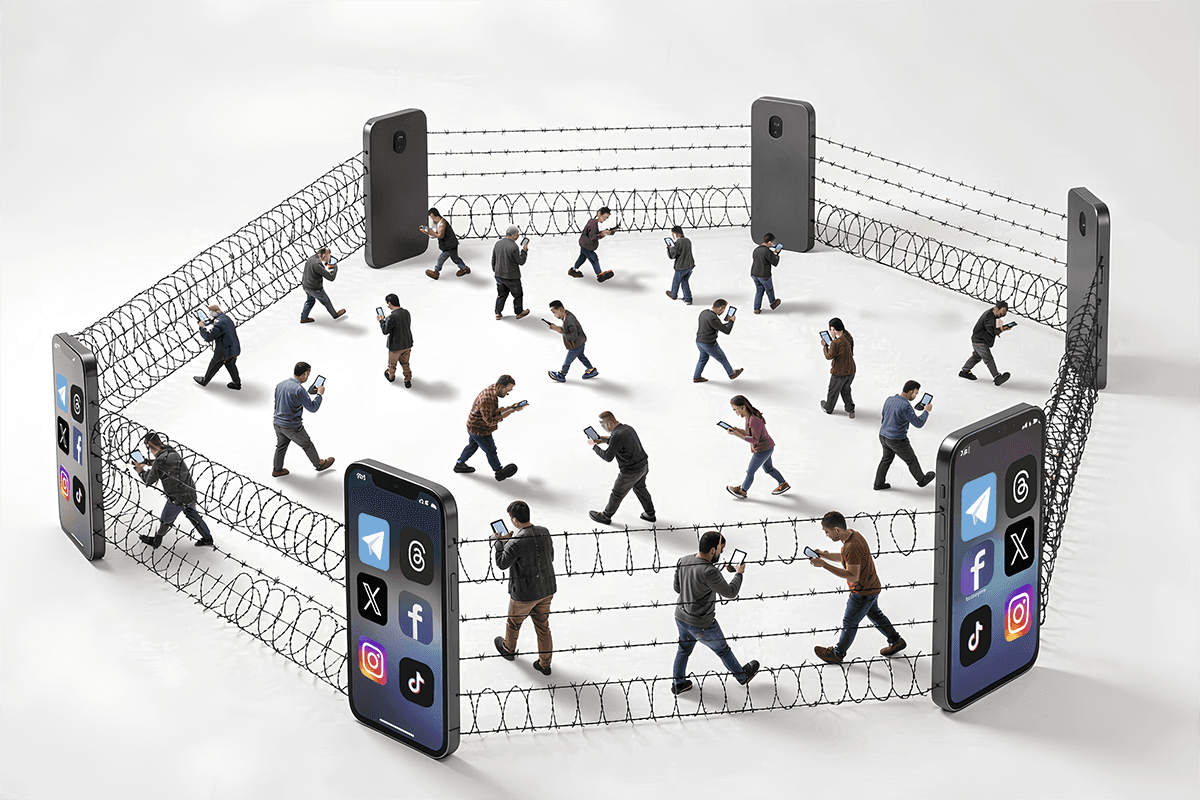
Such a social network, such as TikTok, allows you to create content without minimal preparation: no promotion, no fact checking, no ability to edit text is required. As a result, unreliable facts are often thrown into the public space on this platform. In the context of hybrid wars, this is also called disinformation dumps. Fakes are also spread through social networks in video format – sometimes this is a retelling of news from extremist resources. Such platforms at the state level are technically difficult to control, and therefore their various forces turn into a channel for delivering foreign and hostile messages. Another global problem of social networks, concerning the domestic consumer, is sometimes a low level of culture of use. People start accounts and start creating their own content. Often these are harmless videos about fishing, cars and household sketches, but at the same time a person is involved in the constant consumption of information from this source, begins to regularly use the network and feed on information from it. Specificity is that our psyche reacts to the negative much brighter and sharper than to positive content. For example, marketers have determined that one good review leads to two to three customers (or a buyer does not share a positive experience at all), and one negative review can keep 3-5 times more customers from buying than a positive one can attract. In social networks, we see a similar effect of overestimating the negative, that is, in fact, a crooked mirror and a real epidemic of complaints, incorrect or unreliable facts, as well as unfounded appeals, including to the President. At the same time, traditional formats that give rise to legal relations, for example, appeals of citizens, are ignored by some part of the population. There are also recorded facts when people understand that they have no legal grounds to demand anything, do not want to go to court and act legally, but want to solve their problem with a single video, hoping for a miracle.
If not appeal, then what? Often shootings are nothing but criticism, but this does not mean that they are equated with the appeals of citizens. State bodies react to the most acute and resonant topics, but in general, there is no single legal mechanism on how to evaluate such videos, how and in what time frames to check them, unless, of course, we are talking about a criminal offense or monitoring other offenses, which the Ministry of Internal Affairs systematically deals with on the Internet.
However, most of the fake stuffing is evaluative subjective critical content, where unreliable events resonate. In the understanding of the complainant, they become a form of psychological pressure on officials and officials, and for external unfriendly forces – an entry point into the Belarusian agenda and an instrument for creating social tension in society. For example, this year we have repeatedly seen strange stories about alleged pogroms in Belarusian schools due to restrictions on the use of phones, which now looks especially cynical against the background of the riots in France and the retaliatory violence of local law enforcement officers. Nevertheless, our society is constantly trying to convince that the situation in Belarus is close to critical, especially in the education and medical systems. Citizens consume this kind of information without verification, but with great interest, which is primarily due to the peculiarities of human psychology. The situation has no easy way out, except to gradually gain experience and develop a culture of communication in social networks. The man who picked up a newspaper 100 years ago or later watched a television report, unequivocally assessed the broadcast facts as reliable. But there is a worldwide crisis of trust in these sources and polarization of the media. Social networks are undergoing a similar stage: today it is an environment where envy, low self-esteem, meaningless consumption of information are sometimes cultivated. On this fertile ground, information campaigns appear, the purpose of which is to inflate certain topics and try to “pump” the Belarusian state. At the same time, the Belarusian authorities are trying to respond to any signals. However, what people could report through official channels through written appeals, now sometimes falls into the public sphere, forming false opinions, and does not lead to prompt resolution of problems. Treatment in the traditional form is valuable because its content and order are protected by law. Now we see a certain rollback to illegal forms, pressure or attempts to ask the President. Often, the very fact of attracting attention makes the state system forced to work idle or engage in non-core tasks. Also, often the old conflict situations between neighbors, employees and employers, land disputes of summer residents, communal shortcomings of housing and communal services simply wander on the Internet and, of course, cannot be solved with this approach. At the same time, we should not forget that the dissemination of such information may become a reason for bringing to administrative responsibility, including for insult, defamation or dissemination of personal data.
As for popular social networks, we see typical problems of audience growth. There are virtually no restrictions on the internet. Of course, the mass scale in this case is an important indicator and indicates the successful efforts of the state in the field of digitalization. But we also need to develop a culture of using information tools. And here a lot depends on the decency and internal boundaries of everyone allowed. Strictness of the law is also necessary. This is the only way to ensure justice in society.
Meanwhile, preparatory work is underway to amend the Law “On Citizens’ Appeals”. The changes to the law do not yet provide for the introduction of any features of regulation in relation to appeals to someone through social networks. In this part, only a written document, an oral appeal (for example, at a reception with an official) or an electronic form submitted in the prescribed manner will continue to be considered as such. This format eliminates anonymity, manipulation, all kinds of pressure, allows you to identify chronic complainants and make the response more effective.
Sergey Klishevich, deputy of the House of Representatives of the National Assembly of Belarus, candidate of historical sciences.


