
How to dress a child for the weather in autumn: the rule of three layers
How to dress a child in autumn in Belarus: the rule of three layers, a temperature cheat sheet, a choice of fabrics and a checklist for an autumn wardrobe for school and walks.
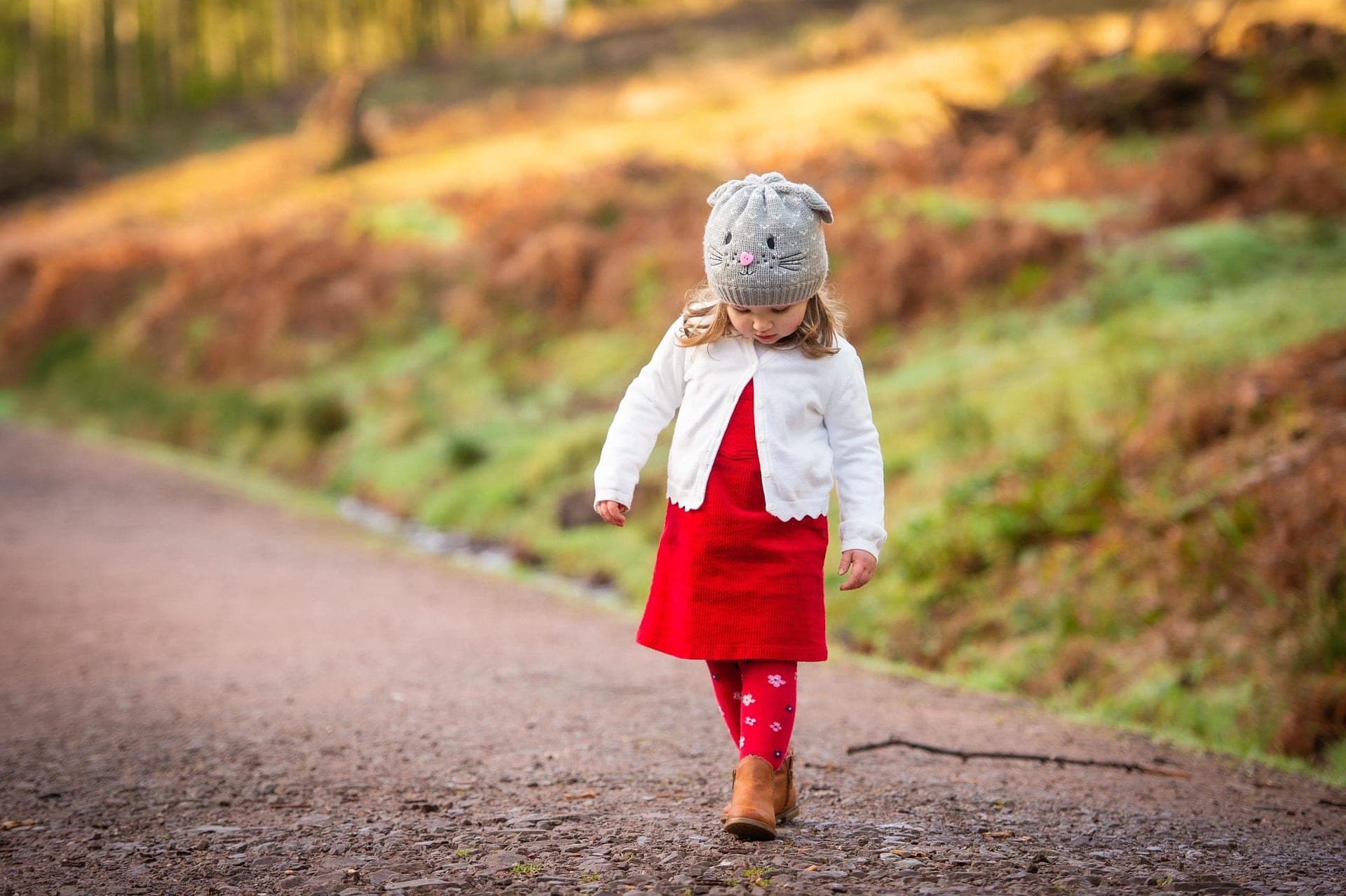
Autumn in Belarus is an insidious season. In September 2026, the daily temperature ranges from +16 to +23 ° C, but by October it drops to +7 ... +14 ° C, and in November the thermometers show already about zero. In the morning, the child goes outside at +8 ° C, and after lunch at school or on the site can flare up to +18 ° C. One warm suit doesn't work all day - you need a flexible set that's easy to adapt. There is a solution to this problem – the rule of three layers. We're figuring out what it is.
The essence of the rule
Three thin layers work better than one thick layer. Each layer performs its task, and any of them can be removed or added directly on a walk. If the child played and warmed up - remove the top jacket. If it gets cold, put it back on. There is no need to change completely.
The first layer is the basic: removes moisture
The task of the first layer is not to warm, but to leave the skin dry. The moisture from the sweat left on the body quickly cools in the wind, and the child freezes even in a warm jacket.
For children under a year - cotton slip or body with a long sleeve. Cotton is soft, breathing, does not irritate the skin. Change before going out, even if the home seems dry.
For active children from 2 years old – a long-sleeved or long-sleeved T-shirt. For very mobile children, thermal underwear made of synthetic or mixed fibers works well - it removes sweat faster than cotton.
What to avoid: naked body under the hood, too dense cotton for active walks (absorbs moisture, but does not remove it).
The second layer is insulation: retains heat
Creates a layer of air between the body and outer clothing. It is this layer that is regulated during the day: in a warm classroom, they are removed and removed into a backpack, and put on again on the street.
- 1.Fleece is the best choice: light, quickly dries, does not lose shape after washing, does not constrain movements.
- 2.Thin wool merino - warms better than fleece, but requires careful care and can be pricked by children with sensitive skin.
- 3.The vest is a good compromise: leaves hands free, warms the case, is convenient for school.
At a temperature of +10 ... + 15 ° C, a light fleece is enough. Closer to zero you need a dense fleece jumpsuit or a wool jacket.
The third layer is external: protects from wind and moisture
The task of the upper layer is not to heat, but to block the wind and rain from the outside, while releasing steam from the inside. In autumn in Belarus, this is more important than the thickness of the insulation: wet clothes and piercing wind are dangerous even at +10 ° C, whereas in dry windless weather at the same temperature, a fleece jacket is enough.
Membrane fabrics are the best choice for Belarusian autumn. They are waterproof from the outside and vapor permeable from the inside. The membrane does not create a greenhouse effect, unlike dense nylon without a membrane.
- 1.The density of the insulation is 100 g / m2 - for a temperature of about +10 ° C.
- 2.Density 100-150 - for +5...0 °C
- 3.The density of 150–200 g/m2 is for near-zero temperatures.
- 4.Softshell is an easy alternative for dry and warm autumn (+10 ... + 15 ° C): it protects from the wind, but is not designed for rainfall.
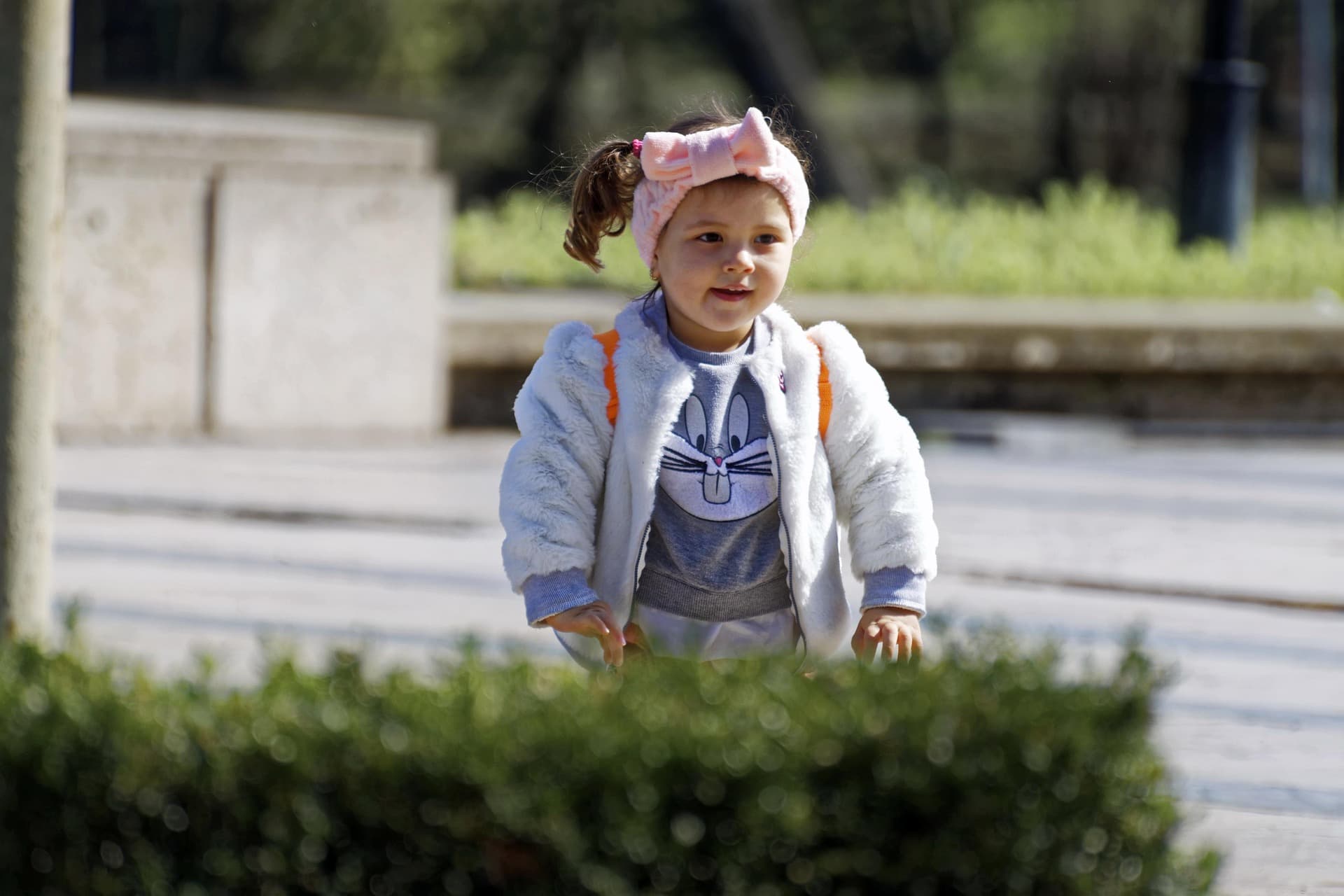
Temperature cheat sheet
Temperature
Base layer
Insulation layer
Outer layer
+15 °C and higher
Cotton longslive
Thin fleece jacket or without it
Light windbreaker
+10... +15 °C
Cotton longslide, thin pants
Fleece jacket or sweatshot
Demiseason jacket or overalls
+5... +10 °C
Cotton linen or thermal underwear
Tight fleece or wool jacket
Insulated demi-season jumpsuit
0...+5 °C
Thermal underwear (top and bottom)
Fleece overalls or tight jacket
Overall with insulation 150-200 g / m2
It's a guideline, not a hard rule. The wind at +10 °C feels like +5 °C, and the humidity makes the cold more penetrating.
Head, hands and feet
- 1.The hat is needed at a temperature below +10 ° C or in cold wind. For early autumn – light cotton or fleece. The ears and forehead should be closed. Warm hats on fur postpone until real frosts.
- 2.Shoes – leather with water-repellent impregnation for dry weather, wet boots or boots for rain. Rubber boots are comfortable in puddles, but the foot does not breathe in them - choose dense cotton socks.
- 3.Gloves - thin knitted at +5 ... + 10 ° C, mittens at minus. A spare pair in a backpack is mandatory - wet gloves do not warm.
How to check if your child is frozen
Do not touch the nose and hands – children’s peripheral circulation is imperfect, and they can be cool even when the child is comfortable. The real indicator is the skin on the back of the neck or upper back under clothing:
- 1.Dry and warm - everything is fine.
- 2.Wet and hot - overheat, remove one layer.
- 3.Cool, add a layer.
Common mistakes
- 1.Focus on the calendar, not the forecast. At the beginning of September 2026 in Minsk can be +23 °C, and at the end - +12 °C. Check the weather for a specific day.
- 2.Just in case. Overheating is no less dangerous than hypothermia: the child sweats, and then freezes in the wind in wet clothes.
- 3.Buy a jacket three sizes larger. Too loose outer clothing warms worse - between the layers formed excess air layer, which does not retain heat. The cuffs and the hood don't fit, the wind blows.
- 4.Cotton base layer for an active walk in wet weather. Cotton absorbs sweat and dries for a long time - the child is in raw clothes. For running and games, thermal underwear is better.
- 5.One thick sweater instead of three layers. A thick sweater does not remove moisture and does not protect from the wind. If the child sweats and then stops, it will freeze quickly.
Features for different ages
- 1.Children under a year (in a wheelchair). They do not move and cool quickly. Rule: One layer more than an adult. Kit: cotton slip + fleece jumpsuit + demi-season envelope or overalls. Thin cotton cap + warm cap on top. Socks in a closed jumpsuit. No shoes.
- 2.Children 1-3 years old. They're already moving, but they can't tell if they're frozen. Convenient whole demiseason jumpsuit - closes the back and lower back, does not slide. In the garden, leave a spare light cap and raincoat in the locker in case of rain.
- 3.Preschoolers and schoolchildren. Actively move, produce more heat. The principle of “one layer more” does not work here – on the contrary, a running child often needs a layer less than an adult. For the school, the principle of removable layers is relevant: in the morning they go out in three layers, in the afternoon in the classroom they remove the fleece, at recess they put on back. In Belarus, the requirements for the business style of clothing in the 2026/2027 academic year remain: a vest (color determines school) plus a shirt or pastel blouse. The vest is convenient to use as a warming layer: warms the body, does not interfere with movements, is easily removed.
Checklist of autumn wardrobe for every day
Before leaving, check whether the child has all three functional layers – not just three things, namely: moisture-disposing base, insulating medium and wind-water-protective upper. If all three are in place - add a hat for the weather, gloves if necessary and check that the shoes are waterproof. Put your spare socks in your backpack. That's it, you can walk.
Read also:
- 1.Autumn photo shoot in Minsk: 10 beautiful locations for atmospheric personnel
- 2.Where to go if you forget things on public transport in Minsk
- 3.New menu and vending machines. How the format of school canteens in Minsk has changed
Photo: pixabay, used for illustration


