
How to plant raspberries in autumn: tips from gardener Dmitry Kastritsky
Simple rules of autumn raspberry planting for a rich harvest. Famous gardener Dmitry Kastritsky tells how to prepare a pit, plant bushes and provide watering.
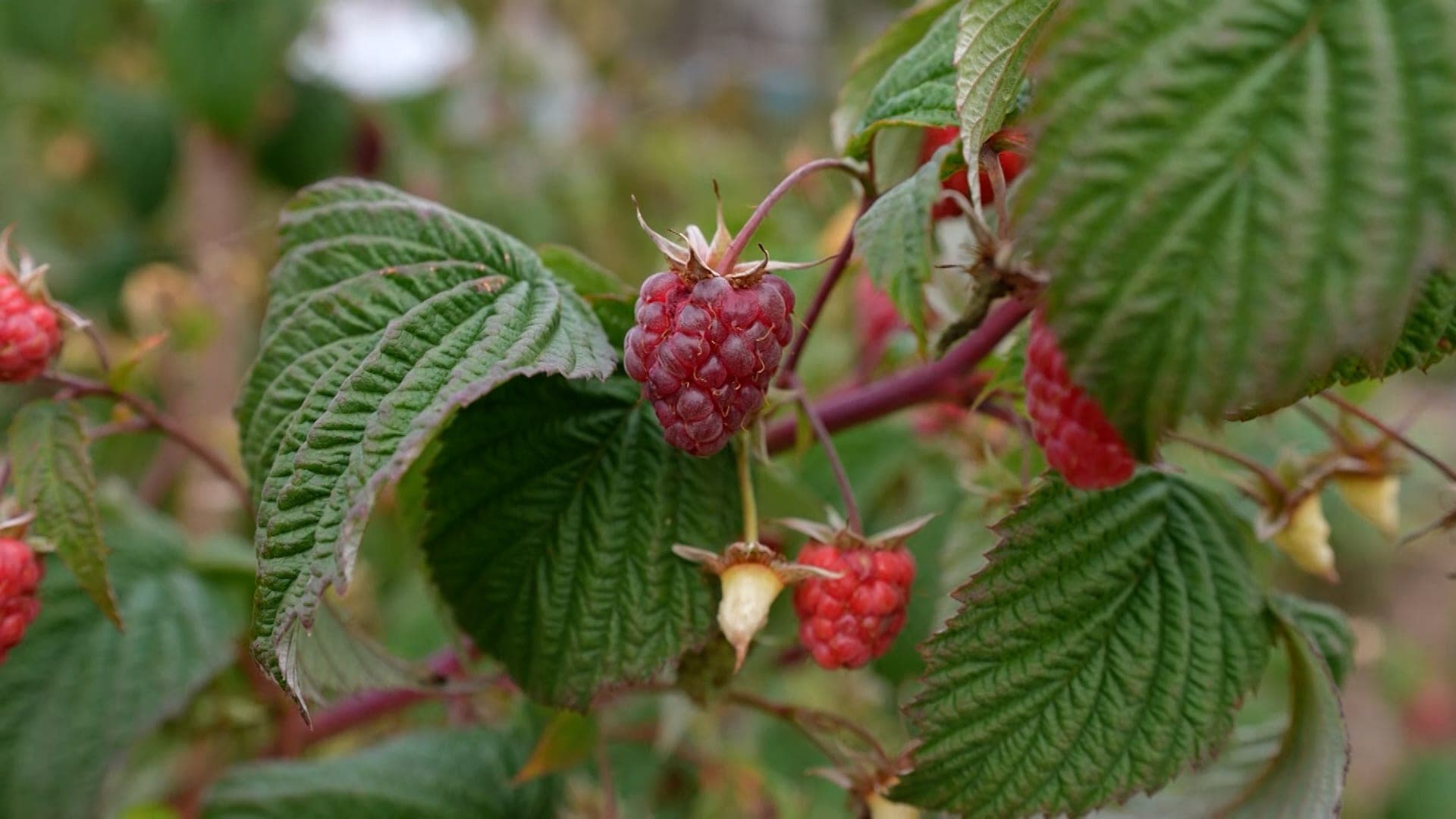
Autumn is not the time to stop work on the site. Now is a great time to plant raspberries. The soil is still warm, and sufficient moisture helps the seedlings take root before winter. How to properly prepare a planting pit, plant shrubs and provide the necessary watering? This was told by gardener Dmitry Kastritsky.
Pickup Location & Neighborhood Relationships
Raspberry is one of the most popular berry crops in our gardens, but many do not get the harvest. The whole problem is the wrong landing and the wrong place.
First, we will decide on the place to plant this berry culture. Raspberry loves the sun, so try to plant it in a sunny area. In shading, the harvest will be, but the berry will not taste sweet.
Also try not to plant raspberries close to the fence. Near the fence you will be uncomfortable to care for the bushes, raspberries will begin to overgrow weeds. In addition, there will be conflict situations because of the growth that this berry culture gives. They will have to fight with their neighbors, which will lead to disputes. Therefore, retreat from the border of the site at least one and a half, or preferably two meters, so that there is a free passage for the care and maintenance of your landings.
Lighting: Raspberry needs a sunny area; in the shade, berries lose sweetness.
Distance from the fence: Retreat from the border of the area of 1.5-2 meters.
Convenience: Free passage makes it easier to weed and care for the bushes.
• Neighborhood relations: The retreat will protect the neighboring area from aggressive raspberries.
Preparation of soil, trenches and pits
The most important thing is to fill the soil. Raspberry loves loose, fertile land and is very responsive to the application of organic matter.
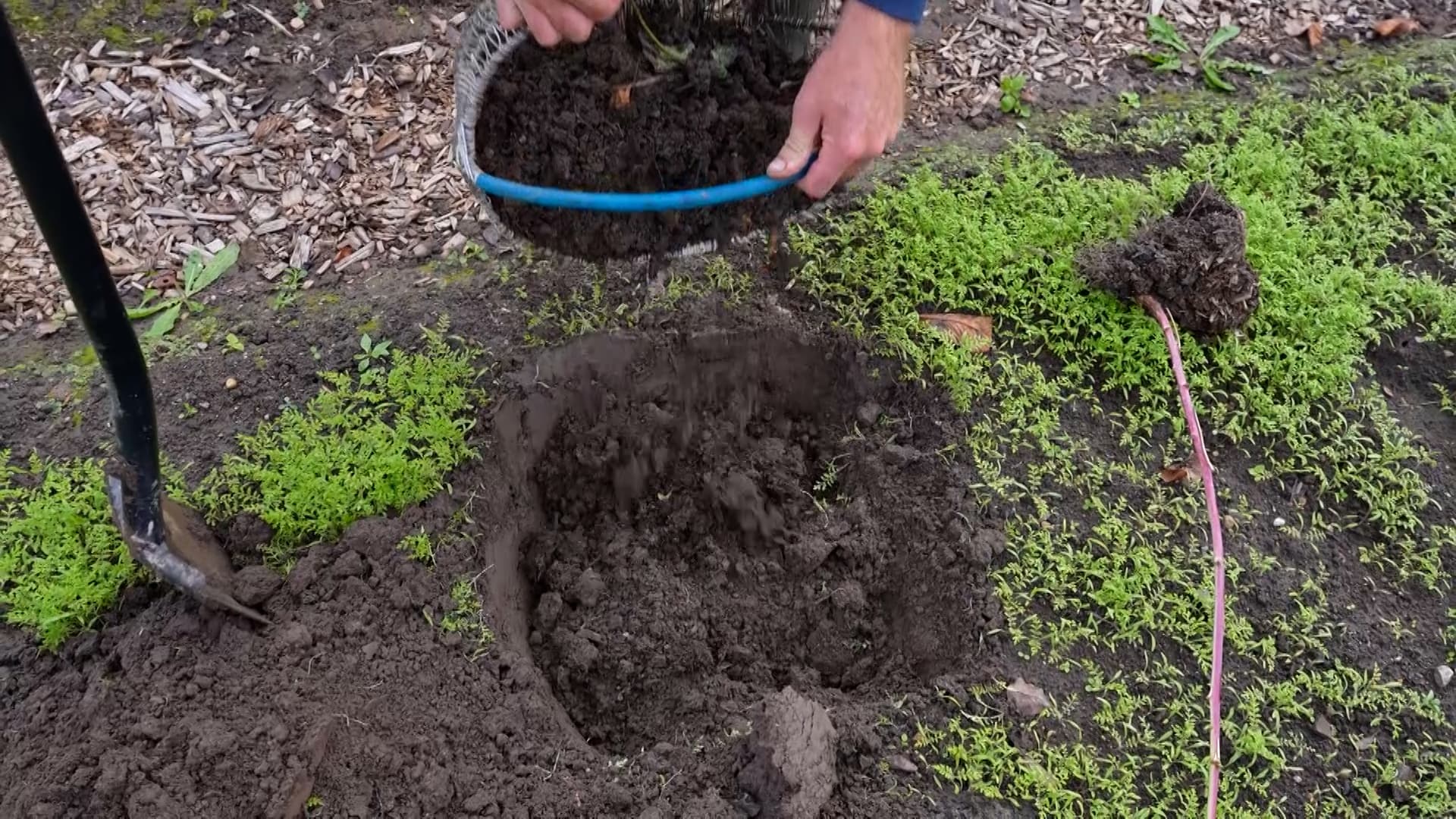
If you plant many bushes at once, dig a trench 50 centimeters wide and 40-50 centimeters deep. At the bottom of the trench, you can throw old firewood, some rotten boards or large plant remains (for example, branches after pruning the garden). Then fill the trench with fertile soil mixed with compost.
We fill the trench and start planting the bushes. If you plant only a few pieces, dig a landing pit with dimensions of 50 by 50 centimeters and a depth of 40-50 centimeters. At the bottom, we also lay large plant residues, and then fill with fertile soil mixed with compost.
• Soil quality: The land should be loose, fertile and rich in organic matter.
Dimensions for planting: The width of the trench or pit is 50 cm, the depth is 40-50 cm.
Drainage and nutrition: Wood and branches are laid at the bottom, then covered with a mixture of soil and compost.
Planting technique, pruning and first harvest
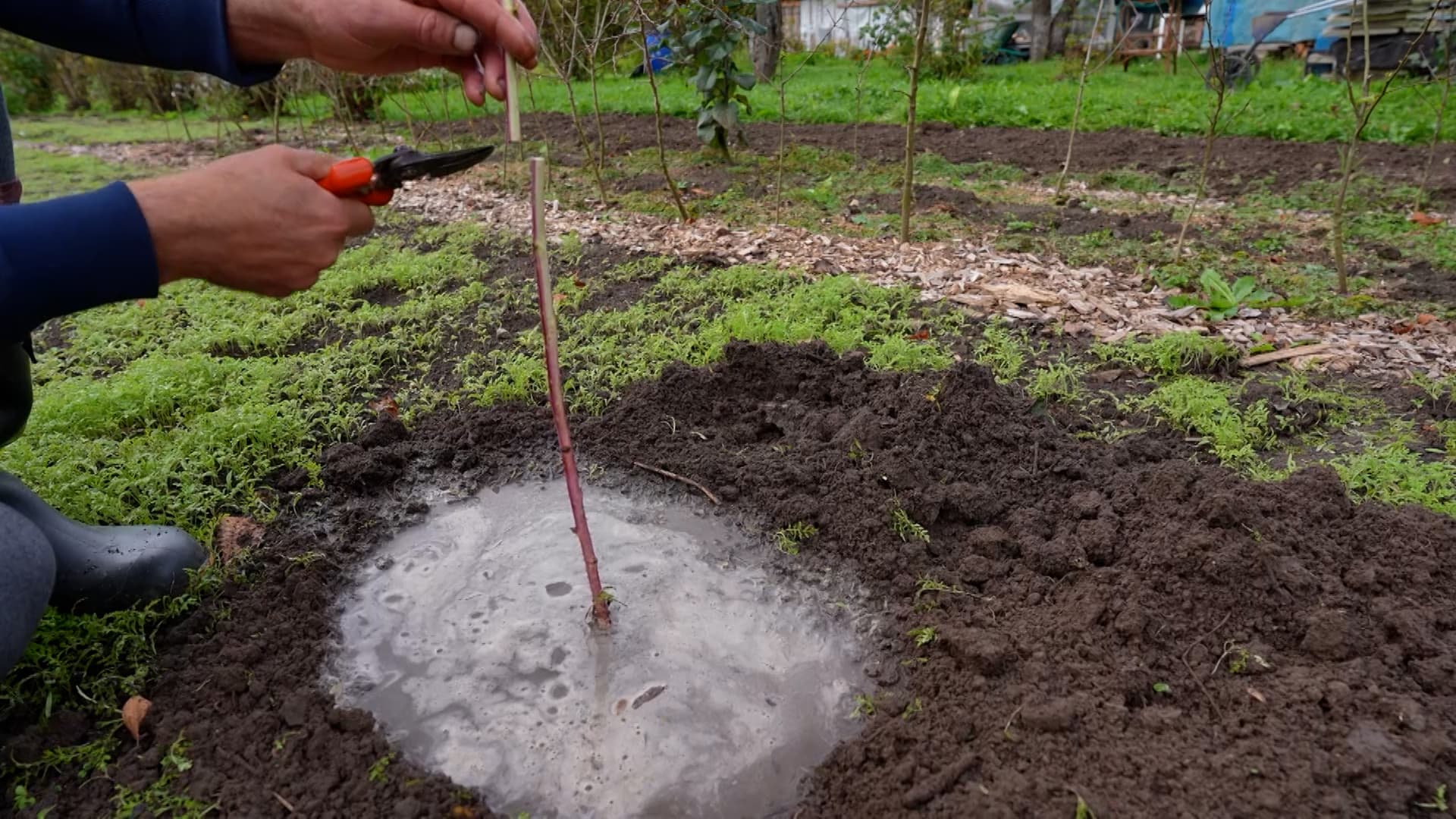
We bury the seedling slightly above the level of the roots - about 5 centimeters. After that, we cut almost the entire above-ground part of the seedling, leaving a small foam 30-40 centimeters high. In the first year, raspberries will give a small harvest, because our main task is to make the bush form as many young shoots as possible.
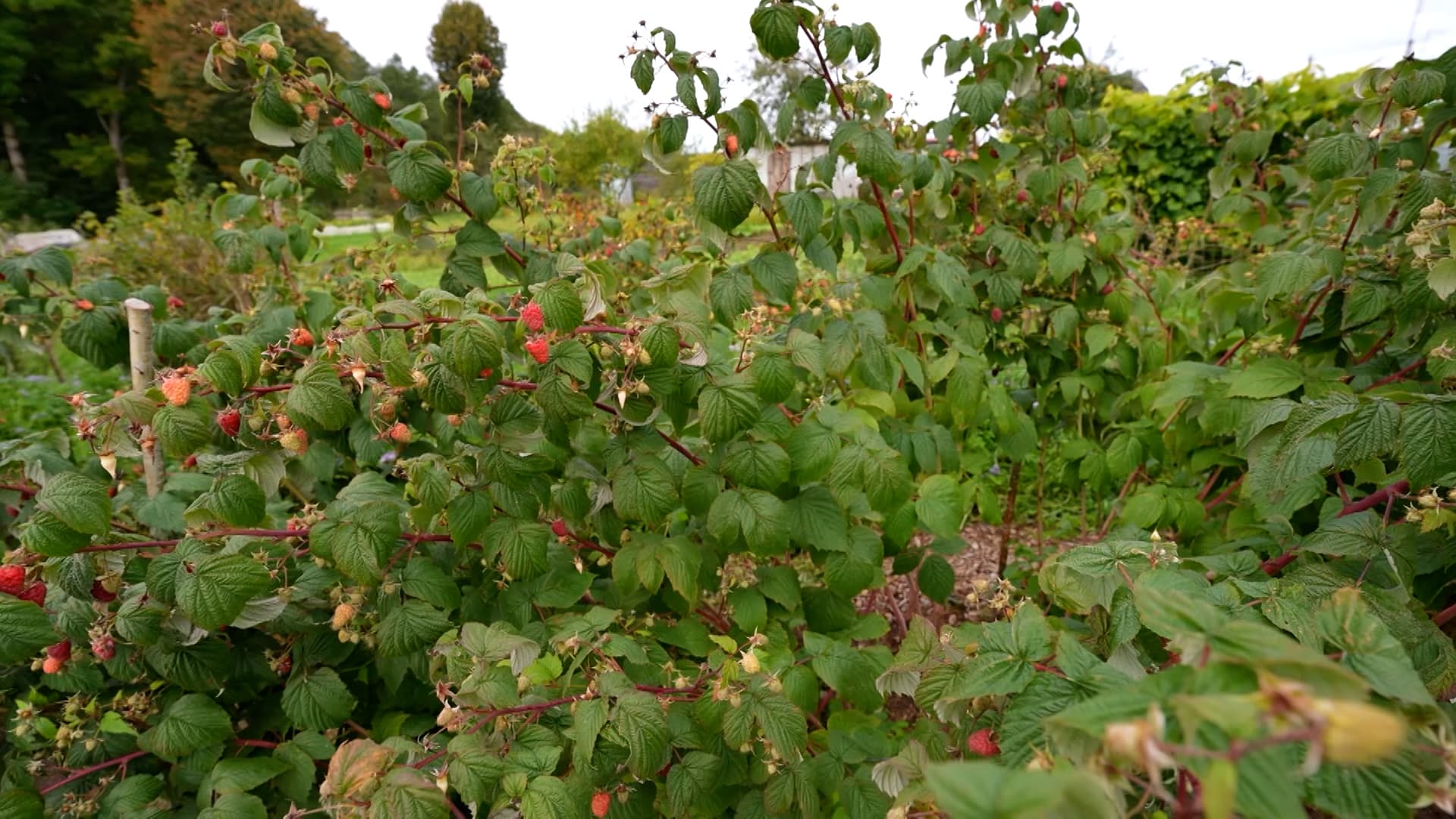
For example, if you plant repairable varieties that give the main harvest in the autumn period, then the next year after planting you will have a huge collection of berries. After such a planting in a well-dressed pit, raspberries will take root perfectly, young shoots will quickly go in the spring and a harvest will appear.
Depth of landing: The root neck of the seedling is buried by about 5 cm.
Pruning: The above-ground part is cut, leaving a foam of 30-40 cm to stimulate the growth of new shoots.
Objective of the first year: Increase powerful young shoots, not get the maximum berries.
• Advantage of repairable varieties: The abundant harvest is harvested in autumn the following year.
- See also: Get umbrellas and warm things: weather forecaster Dmitry Ryabov told about the weather in Belarus from 12 to 18 October