Pocket satellite in orbit: BSU creates a miniature spacecraft of the new generation
Students and scientists of the Belarusian State University are developing a PocketQube picosatellite with a size of only 5×5 cm.
Students and scientists of the Belarusian State University are developing a PocketQube picosatellite with a size of only 5×5 cm. There are no analogues of the flight model in domestic practice yet, the rector of BSU Andrei Koroly told reporters, writes sb.by.
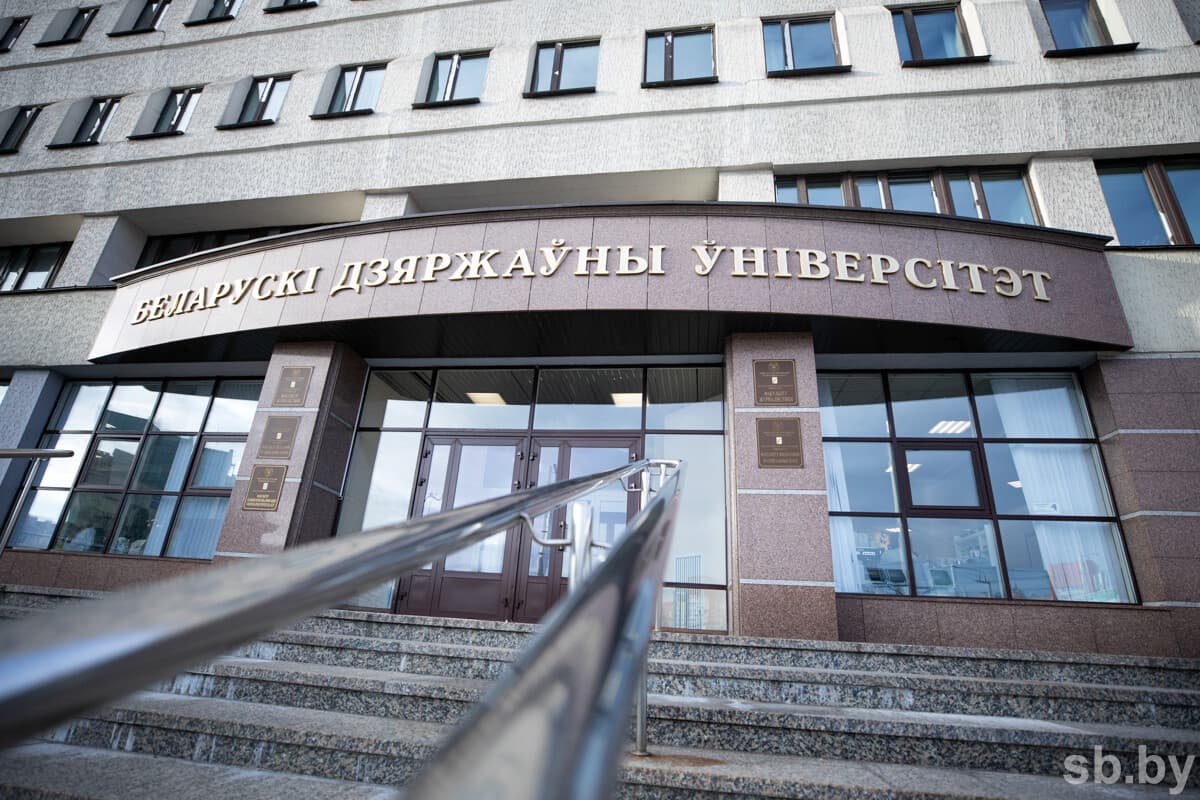
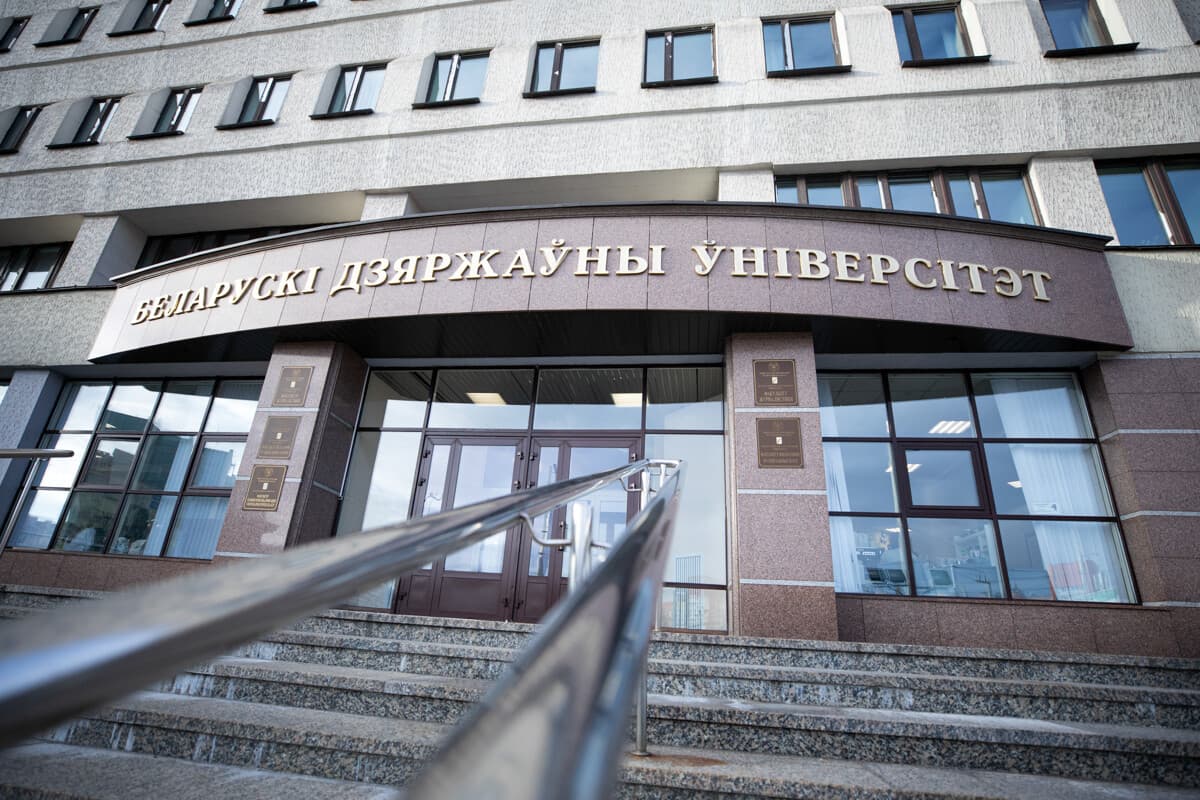
Belarusian State University traditionally makes a significant contribution to the national and world science. The university’s research covers all strategically important areas – from digital and space technologies to agriculture, medicine and human security.
Special emphasis at BSU is placed on the inseparable link between education and science. Today, more than 7,300 students are involved in scientific research. The most motivated of them work in laboratories under the guidance of leading scientists of the university. The effectiveness of such interaction was proved by the successful experience in the creation of BSUSat-1 and BSUSat-2 satellites.
A new bright project was the development of the PocketQube picosatellite format - the so-called pocket cube. The work is conducted jointly by students and employees of the faculty of radiophysics and computer technologies. The miniature device measuring only 5×5 centimeters has no domestic analogues and has a number of advantages.
Despite its modest dimensions, the satellite body is made of aluminum alloys, which ensures high structural strength. The advantages of the device also include compactness, short development time and low production cost. In addition, the technology opens up the possibility of creating entire networks – swarms of picosatellites, which can be formed for solving specific tasks.
The small size determines the method of launch: the satellite is easily placed “in the pocket” of the astronaut, so one of the common options for delivering the device into orbit is sending to the ISS along with the crew with subsequent release into space.
It is assumed that the BSU picosatellite will be used to develop new communication channels with the Earth and detect microparticles of space debris. For students, participation in the project is a unique opportunity to follow the entire cycle of creating an autonomous spacecraft.
To date, the staff and students of the university have already developed a model of a real picosatellite. In the near future, work on the flight model at the faculty will continue.