
Kochanova: Belarus can expand the production of healthy foods
Belarus intends to make healthy food products more accessible to the population. We are talking about dietary rations, natural juices and organic products.
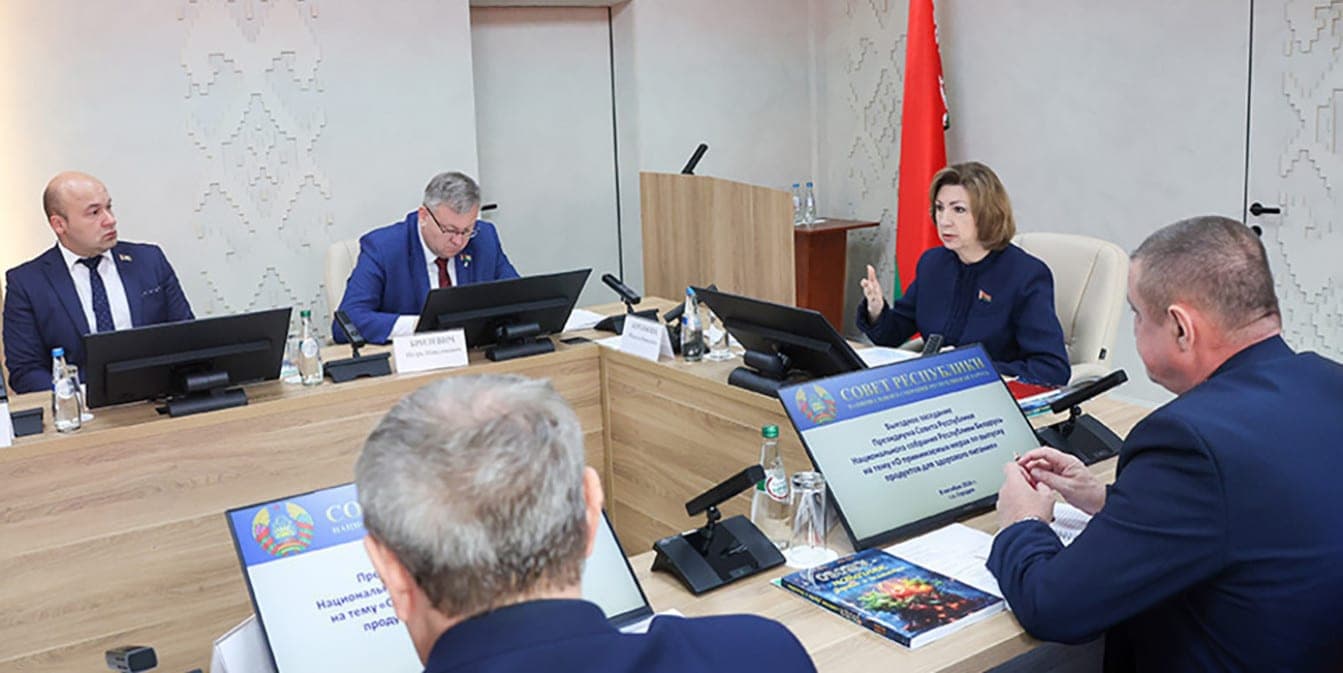
Belarus pays special attention to the production of healthy foods and plans to expand their range. This was stated by the Chairman of the Council of the Republic Natalia Kochanova at the visiting meeting of the Presidium of the Council of the Republic, which was held on the basis of OJSC "City Sugar Plant", BelTA reports.
According to Kochanova, Belarusian products are known outside the country and meet high quality requirements. At the same time, it is important that healthy food products are available to customers in all stores.
“We produce healthy food products, and we must make it so that people can easily find them on the shelf of any store,” she said.
Kochanova stressed that care for the health and well-being of citizens is one of the key state tasks. Belarus has fully ensured food security, and the next strategic direction is the health of the nation and active longevity.
The country has created a regulatory framework for the development of organic production, and there are preferences for producers of such products. In addition, budget funds are directed to the organization of food in schools, kindergartens and hospitals.
The Chairman of the Council of the Republic noted that useful products should be more widely represented not only in stores, but also in social institutions. We are talking about dietary diets, natural juices and other products that are suitable for people with various diseases and those who adhere to a healthy lifestyle.
Among the priorities are improving the nutrition of children, informing the population about Belarusian products and expanding its presence in retail networks.
“We have already achieved significant results, but we can become a step higher by expanding the range of products for healthy eating,” said Kochanova.
According to her, the necessary regulatory documents have already been adopted in this area, but there are still issues that require additional study and solution.
Photo: BELTA


