Control from production to counter: how digital labeling is changing the fight against counterfeiting in the EAEU
Digital labeling of goods, already bringing tangible results in the fight against counterfeiting in the EAEU, but requiring further integration, has become one of the central aspects of the trade union.
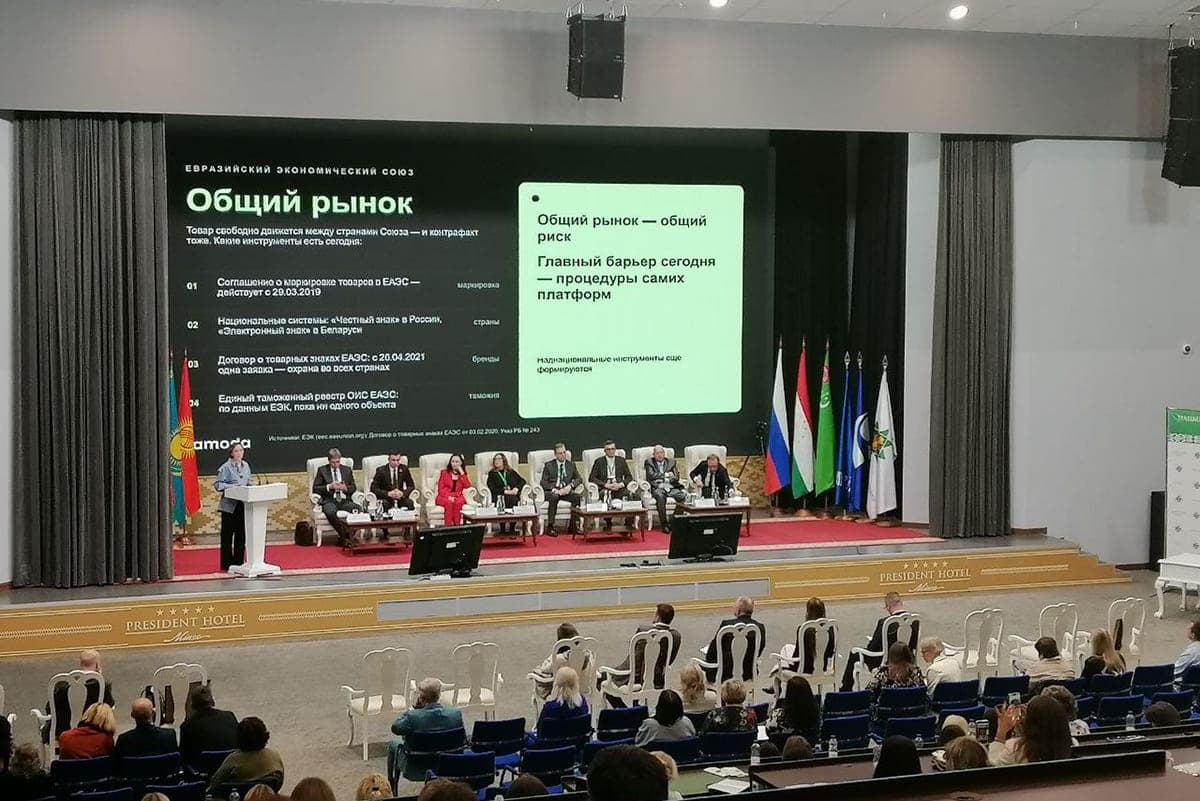
Digital marking of goods, which already brings tangible results in the fight against counterfeiting in the EAEU, but requires further integration, has become one of the central topics of the international conference on intellectual property, which is being held today, October 9, in Minsk. Experts discussed new challenges of the digital era and effective tools for protecting industrial property.
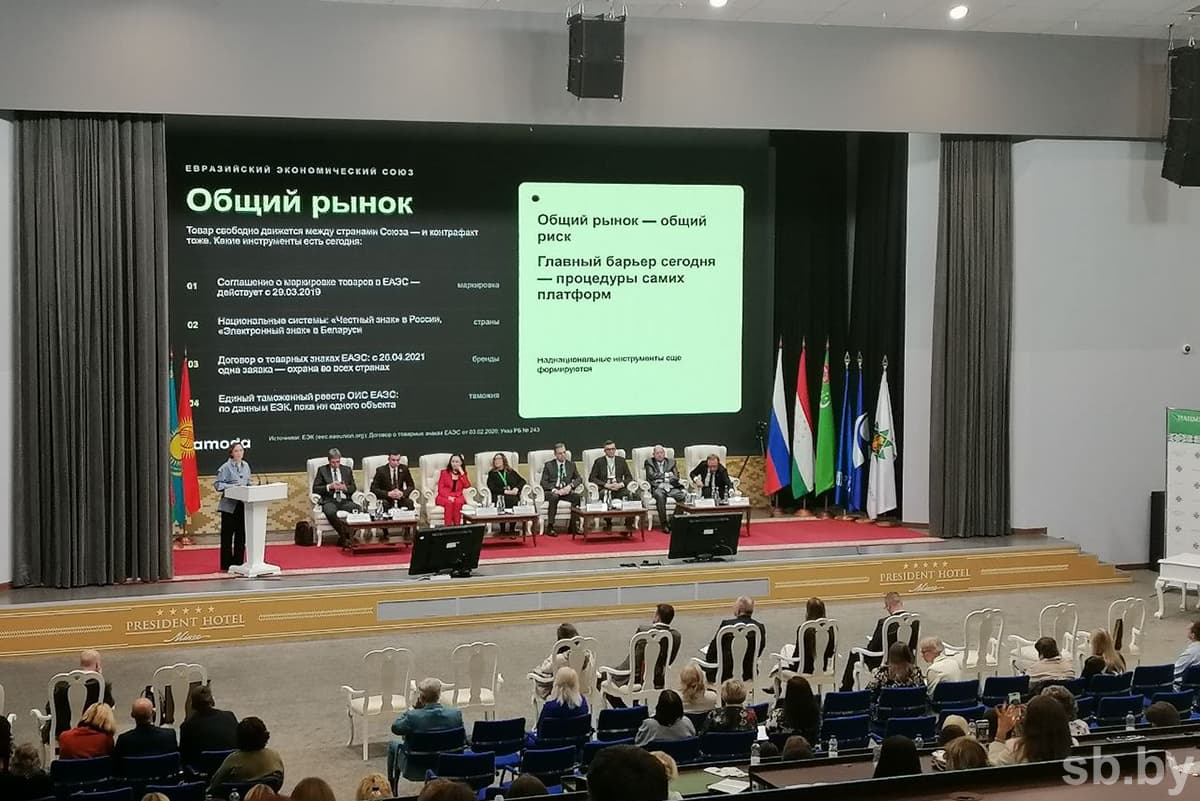
Within the framework of the International Scientific and Practical Conference “Intellectual Property in the Modern World: Challenges of Time and Development Prospects”, representatives of the Eurasian Economic Commission, the legal community and business discussed how digital technologies help protect the rights of rightholders and reduce the share of counterfeiting. Alexey Artemyev, Deputy Director of the Department of Customs, Tariff and Non-Tariff Regulation of the EEC, in particular, noted that digital labeling is not just the application of a QR code on a product, but the introduction of reliable information into national information systems with the subsequent transfer of data between the countries of the Union.
- Today, the EAEU adopted 30 decisions of the Council on the labeling of various groups of goods: from medicines and tires to light industry and dairy products. However, not all categories are marked in all countries - each state independently determines the need to introduce marking on its territory, Artemyev explained.
The effect is already noticeable. According to the speaker, in Belarus, legally transported goods of light industry increased by 60 percent, dairy products - by 70 percent, and shoes - three times. In Kazakhstan, the decline in the turnover of counterfeit tobacco products in 2024 was estimated at more than $ 20 million. In Russia, the share of illegal turnover of tobacco products decreased by more than 50 percent, and in some categories of manufactured goods by 80 percent.
However, problems remain: attempts to label some goods under the guise of others persist. Therefore, the EEC, together with member states, develops two strategic directions. The first is the interface of marking systems with registers of technical regulation. Belarus and Russia have already launched an experiment on the integration of national components. Its purpose is to cut off unsafe products at the stage of issuing labeling codes. The second direction is the creation of a mechanism to confirm the legality of production and imports. It is assumed that the manufacturer, when receiving codes, will undergo online verification through state information systems, and customs information about goods will become wider and will be compared with labeling data.
- As soon as we link all the stages from production to sales to the consumer, we will see a maximum reduction in illegal trafficking and counterfeiting. All mechanisms for protecting intellectual property will work in full force, Artemyev stressed.