
Who cooked, he is right: why power in the family is concentrated at the stove
In the family hierarchy, the one who stands at the stove often gains tacit but very powerful power – this phenomenon is noted by family psychologists, calling it a “food dictatorship”, it is also gastronomic, or “kitchen sovereignty”
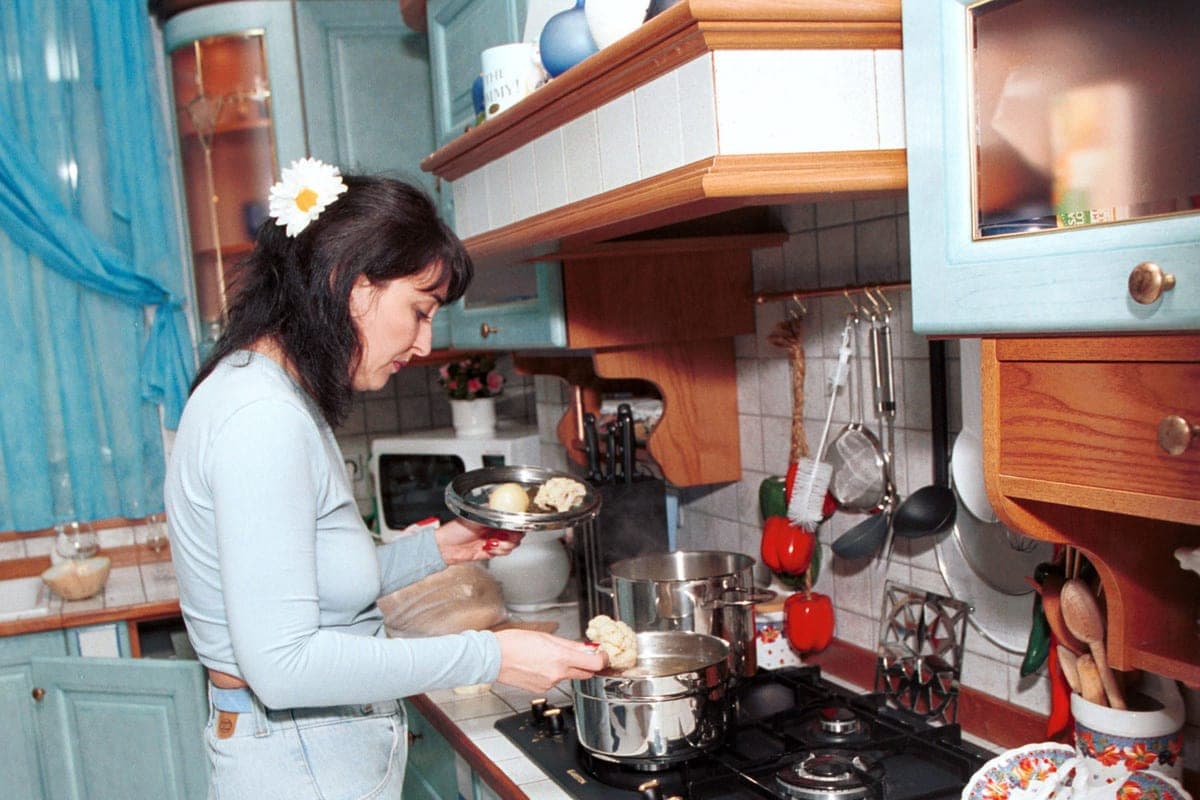
- The power of the cook is not about brute force, but about controlling the basic needs of the family, says family psychologist Alla Dmitrieva. The fact that the “commander-in-chief” in the family often becomes the “chief on plates” has its reasons. One of them is “control of fuel, because food is energy.” That is, he who cooks for all, alone determines what fuel will receive the energy of the entire unit of society. This allows you to gently but persistently impose your views on life. For example, a wife who alone took over cooking and adhering to a healthy diet can completely “transplant” her husband and children on vegetables and fish and meat for a couple, even if households dream of fried potatoes. The mother of the family decides what is useful and what is not, becoming a kind of “architect” of the family’s attitudes. It is no coincidence that many ancient Russian beliefs are associated with food: food was both loved and turned away, subordinated to their will, destroyed or healed. It may be mysticism, but it is based on real experience. They say that we are what we eat.
Experts distinguish a number of signs that contribute to the food dictatorship of the one who stands at the stove in the family:
Time and schedule management: The person who cooks dictates the rhythm of life for the whole family. When breakfast, lunch and dinner are on the table depends on the cook. For example, if the mother decides that dinner will be at 19:00, the whole family has to adjust to this schedule. Attempts by a husband or children to come later or eat something else are perceived as "rebellion" or "disrespect for work." The cook becomes the center around which the family schedule revolves.
Emotional blackmail and “reward”: Food is often used as a tool to reinforce desired behaviors. "Delicious" becomes a reward for good behavior, and the absence of dinner or cooking "untasteful" - a punishment. For example, a grandmother who feels that she is no longer appreciated may begin to prepare “wrong” or “wrong” to express resentment. Or vice versa, the most delicious cake goes to the one who was "good" today. This creates a system of addiction: to get a portion of love (and delicious food), you need to meet the expectations of the cook.
Sacralization of labor (“I tried / tried for you!”). Cooking is time-consuming and often, alas, an ungrateful process. The person who assumes this role is automatically entitled to sacrifice by the rest of the family.
- And often it becomes a tool for manipulation, - quotes the example of family psychologist Alla Dmitrieva. For example, the phrase from the series “I stood at the stove for half a day, and you didn’t even say thank you!” is her classic tool. This manipulative example is designed to make others feel guilty, which makes them more accommodating on other issues. Those who “sacrifice” themselves for the comfort of the family expect retaliatory victims in other areas.
Territorial seizure. The kitchen is often the only place in the house where the cook feels like a complete master. Intrusion by other family members into the kitchen ("you don't cut it so much," "get it out of the fridge") is perceived as an assault on power. For example, one of the family members who persistently tries to help in the kitchen, most often faces criticism from the cook. As a result, he realizes that it is easier not to climb, and completely gives control of the kitchen space to his wife. Thus, the cook secures the status of the sole ruler of this zone.
- Often this is not a conscious seizure of power, but compensation, the psychologist said. If a person feels that in other areas (at work, in making important family decisions) he does not have weight, he begins to “recoup” in the kitchen. This is the only way to feel important, needed and in control. Bottom line: He who cooks has soft power. He does not give orders, but creates conditions in which others are forced to play by his rules. If there is a balance in the family, then cooking is a form of care. If there is no balance, the kitchen becomes the headquarters of the management of family life. If your family's "first night right" is given in proportion to the time spent at the stove, this is an occasion to think about the distribution of roles in your home.


