
Swans at the Holy Lake in Mogilev got into the frame. PHOTOFACT
The photo shows swans, which have become one of the symbols of the Holy Lake in Mogilev: their graceful silhouettes on calm water create a recognizable urban landscape that is loved by both locals and tourists.
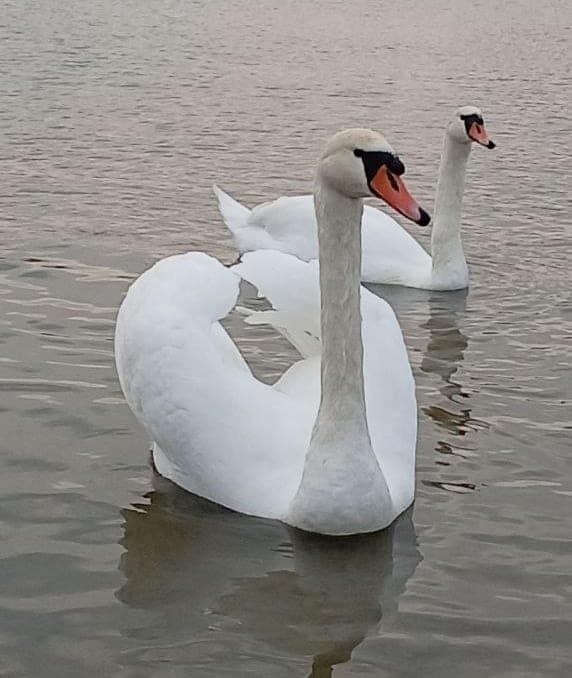
On the Holy Lake in Mogilev there is its own quiet poetry: swans gliding through the water seem to have come off a postcard. One shot – and the city is revealed from an unexpected side: not only avenues and architecture, but also wildlife, which makes familiar places really special. This is the moment that got into the lens of ONT.by.
The Ministry of Natural Resources and Environmental Protection told how to help wintering swans and ducks.
How birds survive the winter
Every year in non-freezing areas of rivers, lakes and artificial reservoirs remain to winter waterfowl – including swans, mallards and other species.
Zoologists believe that swans and ducks tolerate the cold season well: they independently find food and are able to save energy. To do this, birds sit for a long time without active movement - on the ice or on the shore of reservoirs, squeezing their paws under themselves. The basis of the winter diet are vegetative parts of aquatic plants, small crustaceans, insect larvae, seeds and active sludge. The main limiting factor for birds is the availability of open water.
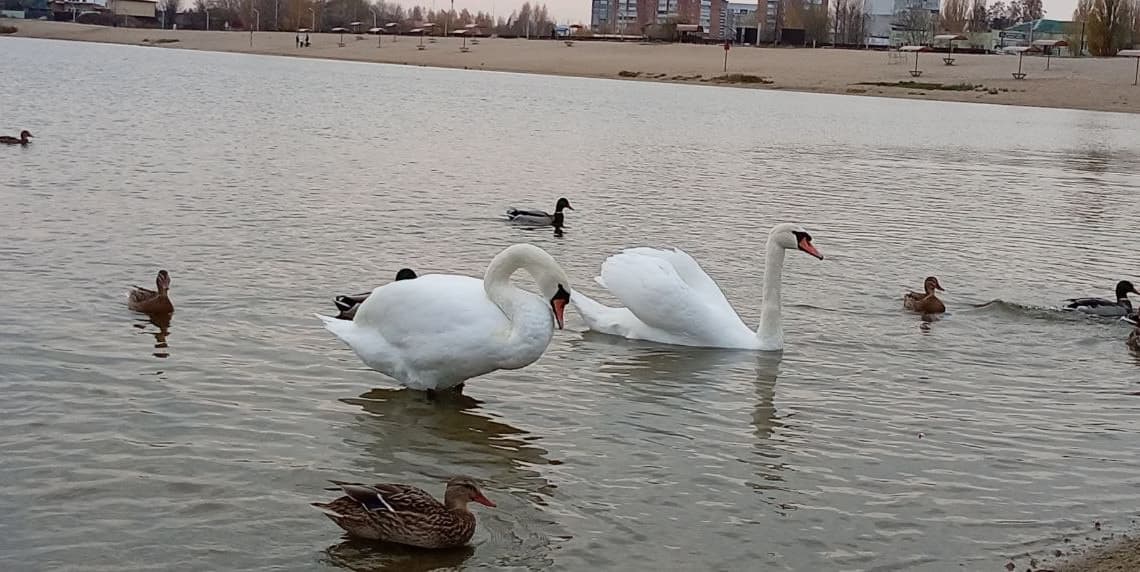
When and how to feed waterfowl
According to the Ministry of Natural Resources, it is worth feeding swans and other waterfowl only in extreme conditions - only with a sharp drop in temperature (up to -15 ° C and below) and exclusively in places of their mass accumulation. Grain (oats, barley, wheat), poultry feed, as well as raw and boiled vegetables are suitable for feed.
It is not recommended to feed bread, especially black. According to some reports, feeding birds with bread can adversely affect their digestion.”.
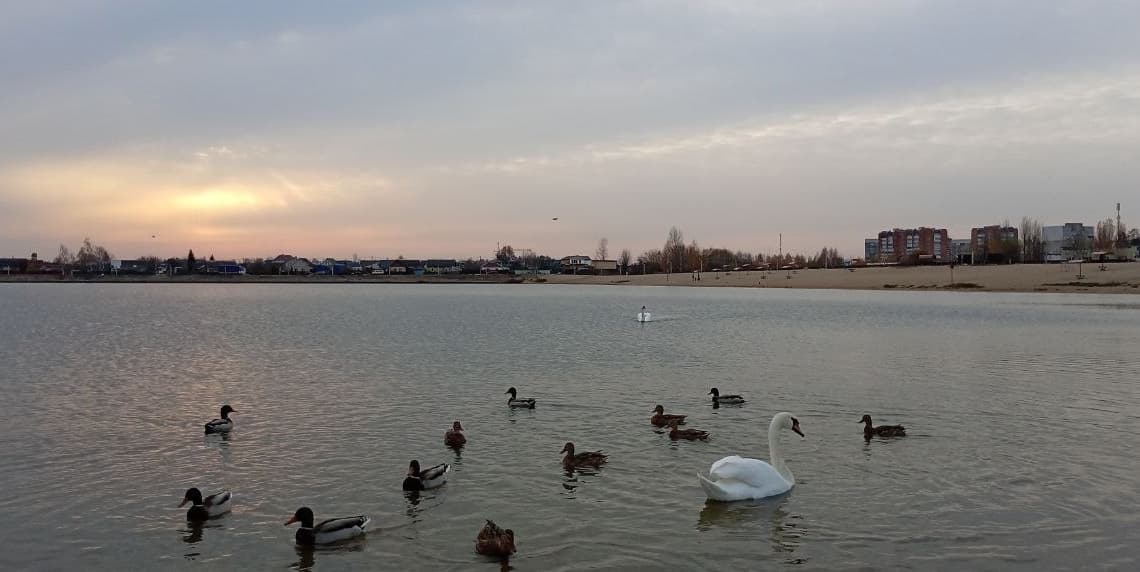
In addition, the Ministry of Natural Resources drew attention to the fact that regular feeding weans birds to look for food on their own - so they become dependent on humans. Healthy waterfowl are able to take care of themselves, and help they need only in exceptional, extreme situations.
What to do if a bird needs help
If a person has found a sick or injured bird or other wild animal that is at risk of death or that may pose a threat to people, you should contact the local executive and administrative body. The Ministry of Natural Resources added: “The Commission for the Assistance of Wild Animals will come to the place and make the necessary decision.”.
Read also:
- 1.Belarus will be covered by cyclones – rain, fog and ice: weather on 11-13 November
Photo: ONT. by


