
Medications from Turkey can harm your health and wallet
Up to 70% of drugs imported from abroad are thrown away, and the independent replacement of domestic tablets with foreign analogues is fraught with serious complications.
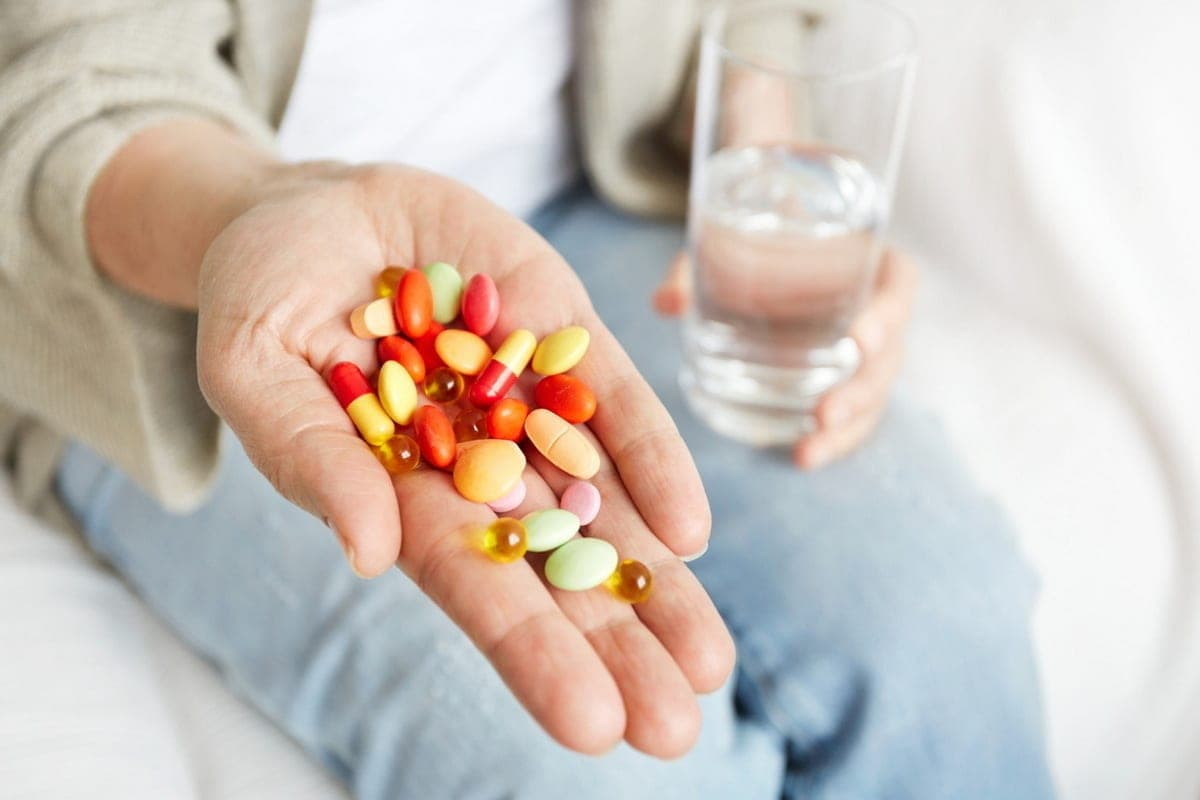
Many Russians, returning from vacations, take home whole suitcases of medicine. Turkey remains a popular destination, and local pharmacies with their free sale of a wide range of drugs (as opposed to strict prescription rules in Europe) and beckon to make a “strategic reserve”. But pharmacists and lawyers warn that this habit can go sideways.
According to Vadim Kochkin, an expert in the field of pharmaceutical activities, up to 70% of medicines imported from abroad are still not used. Tourists often act on the principle of “the more, the better”, buying huge packages of painkillers or vitamins in stock. As a result, the drugs are dusted for years in the home medicine cabinet until the expiration date expires, and sent straight to the garbage can.
A much more serious problem is the independent replacement of the usual Russian drugs with foreign analogues. Many believe that imported means safer and more efficient. However, the lawyer in the field of medical law Nikolai Chernyshuk does not agree with this opinion.
Foreign drugs may differ dramatically in bioavailability and pharmacodynamics. A striking example is anticoagulants (blood thinners), which are vital for patients with heart disease or after surgery. As medical practice shows, the uncontrolled transition of patients to foreign analogues sometimes led to dangerous bleeding.
The doctor prescribes therapy based on the specific characteristics and composition of the drugs available in the country. Changing the treatment regimen or brand of the drug without consulting a specialist is an unjustified risk.


