
Likhachev assessed the prospects of Russian nuclear technologies in the Asia-Pacific region
Rosatom CEO Alexei Likhachev said that the growth of nuclear capacity in the Asia-Pacific region can expand Russia’s participation in international projects
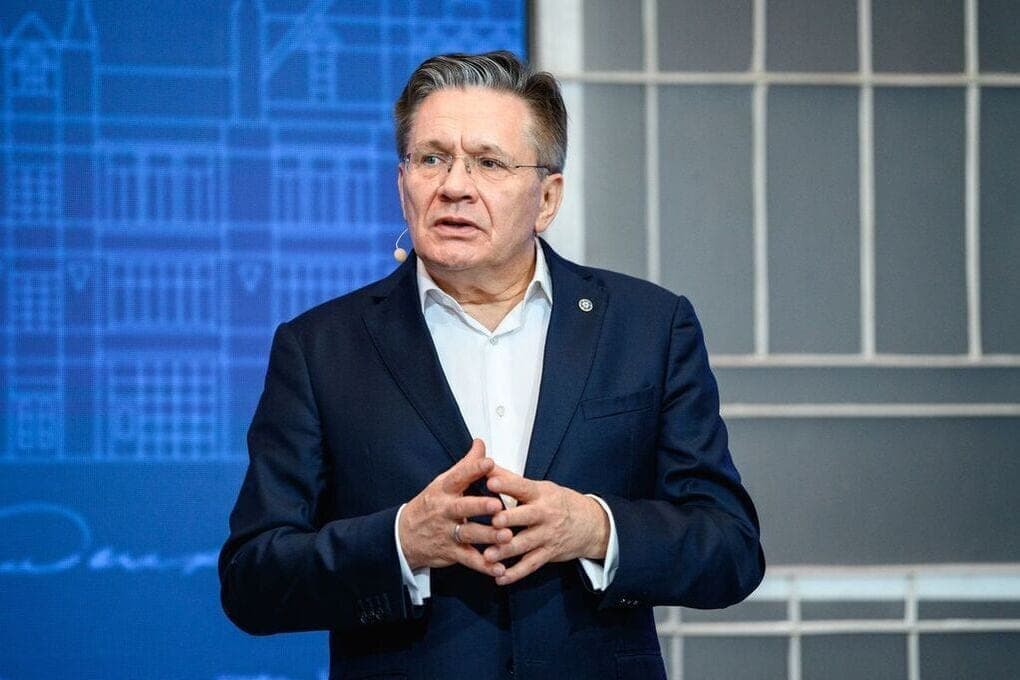
Rosatom CEO Alexei Likhachev said that the growth of nuclear capacity in the Asia-Pacific region could expand Russia’s participation in international projects. Among the promising directions, the head of the state corporation named products and services of the nuclear fuel cycle, fourth-generation reactors and technologies for closing the fuel cycle.
The Center for the Development of World Nuclear Energy is in the Asia-Pacific region, Likhachev believes. “From the point of view of the main players, and from the point of view of countries that are becoming newcomers and now feel a taste for nuclear energy, it is here that the main events have moved, in which Russia, of course, takes a direct and active part,” he said.
According to the forecast of Alexei Likhachev, China will gain a foothold in second place in terms of installed nuclear power capacity, increasing the gap from France, and then will compete with the United States for first place. By 2050, China has set 300 GW, the US has set a benchmark of 400 GW.
Rosatom already has projects in different parts of the region. Rosatom is building Russian-designed power units in China at the Tianwan NPP and Xuidapu NPP. Vietnam has returned to the construction of Ninh Thuan-1; the first stage is still being worked out. There, the state corporation is working on a new research center and supplies fuel for an existing research reactor.
The Indonesian direction includes a contract for the supply of electricity from a floating nuclear power plant. Thailand and the Philippines are taking a gradual approach: training specialists and developing projects for small, primarily floating, nuclear power plants with the prospect of large blocks.


