
Likhachev described the phased development of nuclear programs in the Asia-Pacific countries
Rosatom CEO Alexei Likhachev said that a number of countries in the Asia-Pacific region are choosing the phased development of nuclear technologies
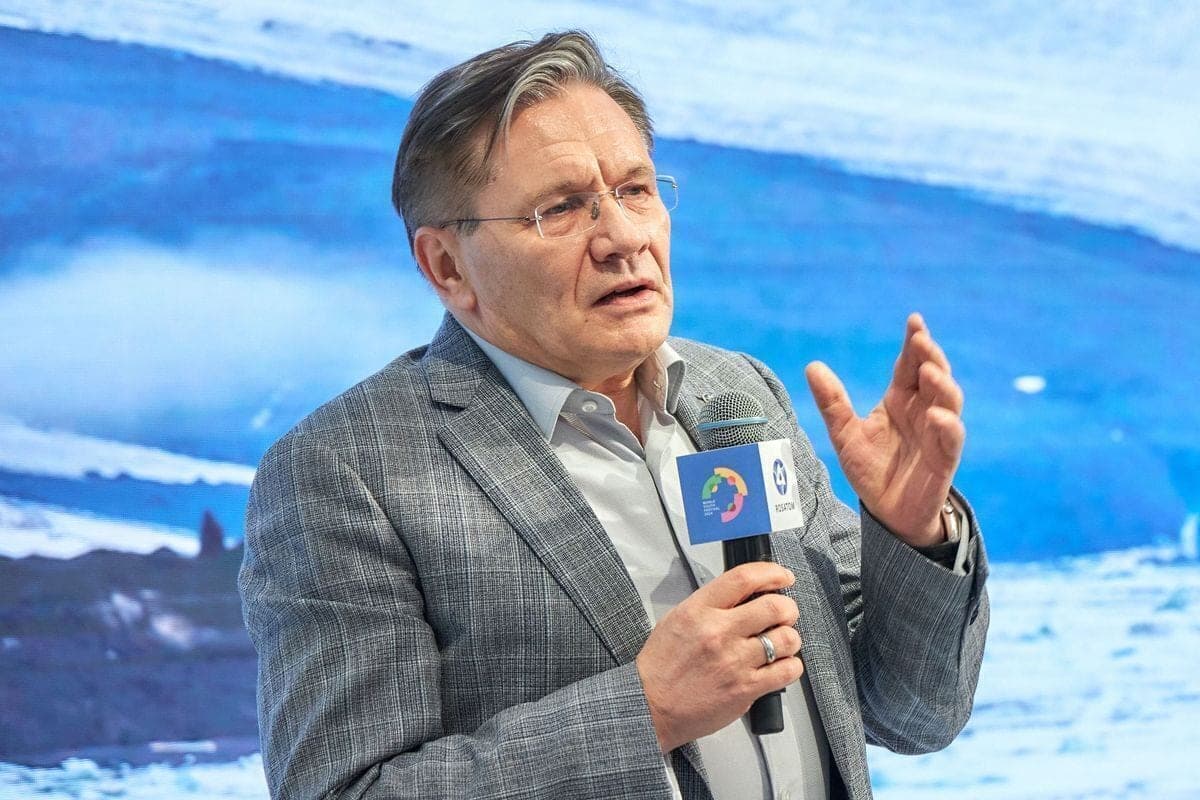
Rosatom CEO Alexey Likhachev said that a number of countries in the Asia-Pacific region are choosing to gradually develop nuclear technologies. For Thailand and the Philippines, the path begins with training and development of small, primarily floating, nuclear power plants; later large units are possible.
In Shenzhen on November 18, Alexey Likhachev also described the scope of cooperation in APEC. “Of the other 20 economies, we are working closely with 16,” the head of Rosatom said. Russia joins the union along with 20 other economies. The areas of work vary: from radioisotopes and training to the construction of nuclear power plants.
According to Likhachev, the center of development of the world nuclear energy moved to the Asia-Pacific region. There are major players and countries that only master nuclear technologies. In China, Rosatom is erecting Russian-designed blocks at two sites – the Tianwan NPP and the Xuydapu NPP.
Vietnam has returned to the construction of Ninh Thuan-1 and is currently working on the first phase. Two more areas in Vietnam are the creation of a new research center and the supply of fuel for an existing research reactor. Other areas include a contract with an Indonesian company to supply electricity from a floating nuclear power plant.
The growth of nuclear generation in the region strengthens the struggle for leadership, Alexei Likhachev. According to the forecast of the head of Rosatom, China will gain second place in installed capacity, increasing the gap from France, and then compete for first place with the United States. He attributes this to Russia’s ability to supply products and services of the nuclear fuel cycle, develop fourth-generation reactors and technologies for its closure.


