
“Moose” without horns and wool found in the foliage of the Leningrad forests
In the Leningrad region, “elks” were seen, who lost their wool and horns. The unusual find was told in his Telegram channel “Each creature a pair” scientist and biologist Pavel Glazkov.
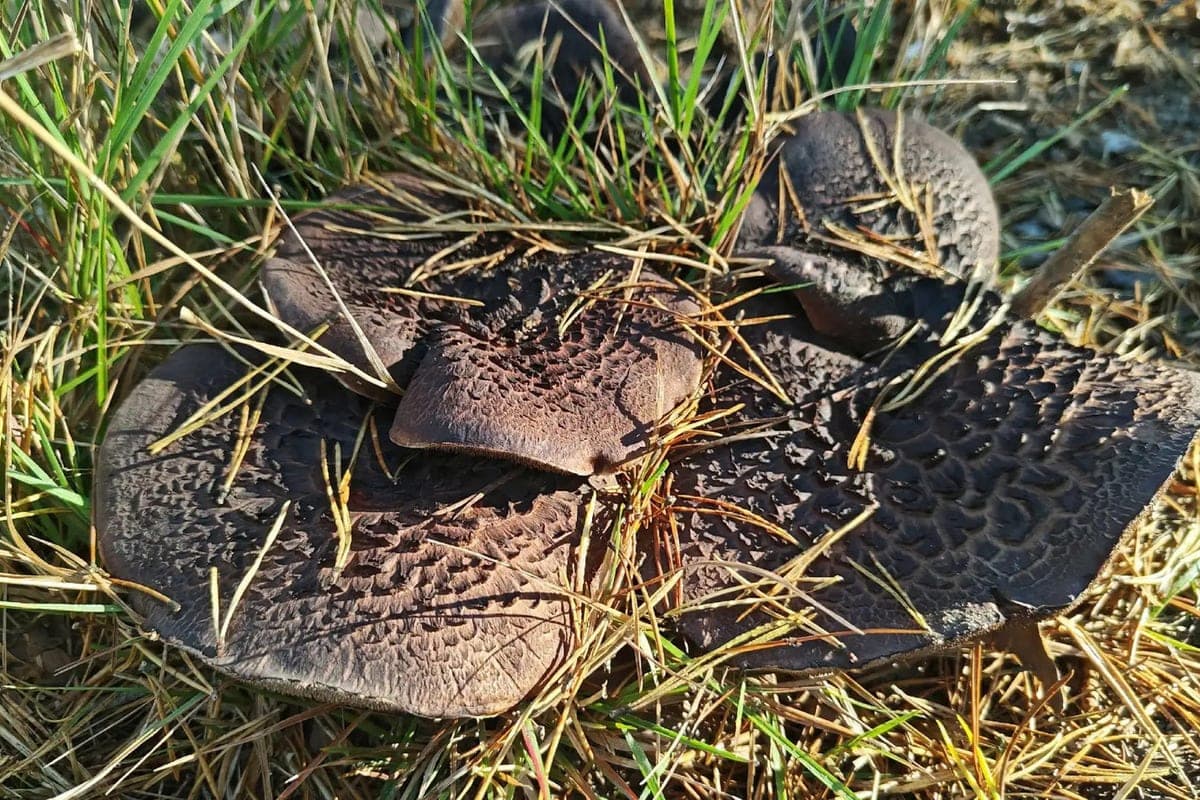
In the Leningrad region, “elks” were seen, who lost their wool and horns. The unusual find was told in his Telegram channel “Each creature a pair” scientist and biologist Pavel Glazkov.
In autumn, in the Leningrad forests, you can find mushrooms with an unusual name - Scaly Hezhovik (Sarcodon squamosus). The hat of this mushroom is covered with scales that resemble shingles.
“And the lower part of the hat is not plate-shaped and not tubular, but in the form of needles, for which the mushroom received its name: hedgehog,” the scientist said.
Mushroom is very fond of moose, so it is called “elk”. It is really delicious and has no poisonous doubles. "Moose" can be prepared in a variety of ways: cook, fry, marinate or dry. This is another reason to visit the forest right now.
The biologist also found many moose near the clearing, where marriage tournaments are now held at the dried. Convenient: after a fight, giant cloven-hoofed people can immediately feed themselves.
Forest giants don’t just eat moose. With great appetite, they feast on opsats, oils, cargoes, redheads and, of course, white ones, Glazkov said.
Earlier we wrote that the eco-festival "Autumn rainbow of good deeds" in the Leningrad region brought together experts, volunteers, children and adults.


