
Lunar calendar for gardeners and gardeners from September 30 to October 2, 2026
We tell you how to choose the best days for sowing, transplanting and caring for plants in the period from 20 hours 25 minutes on September 30 to 22 hours 53 minutes on October 2. A landmark ...
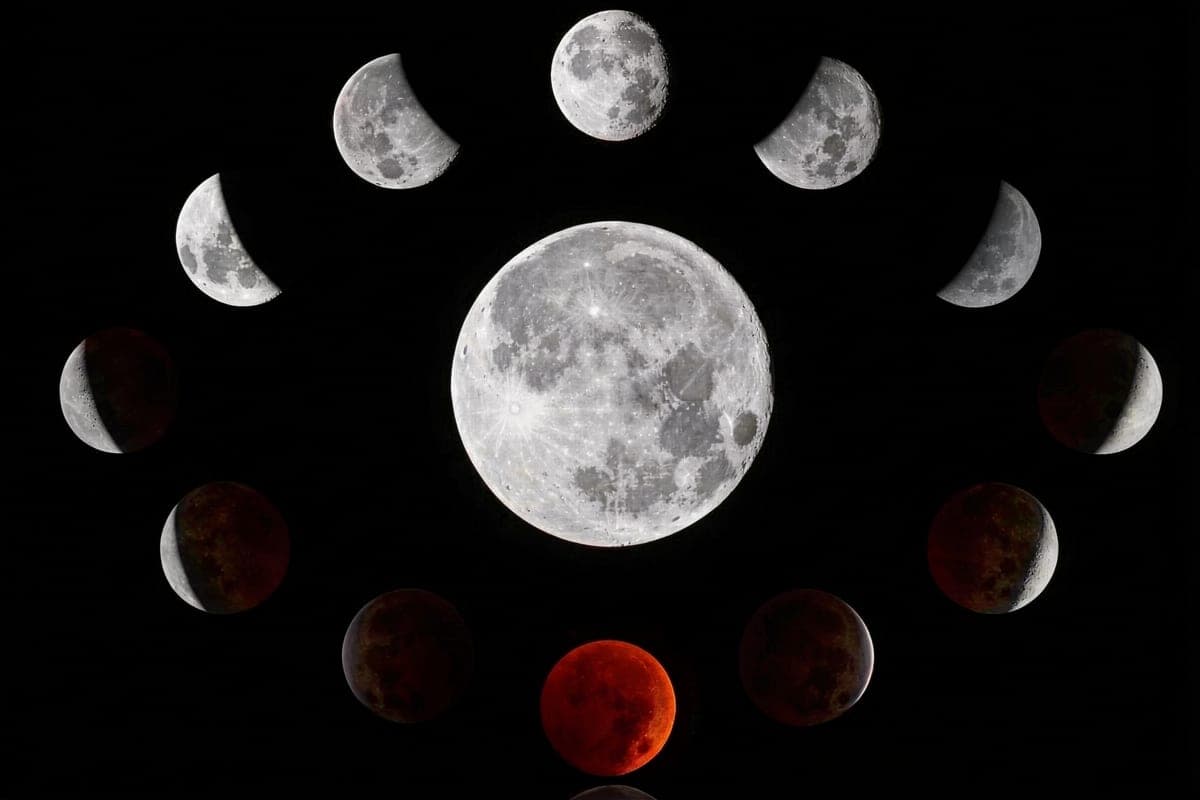
We tell you how to choose the best days for sowing, transplanting and caring for plants in the period from 20 hours 25 minutes on September 30 to 22 hours 53 minutes on October 2. The reference point will be the phases of the moon and its position in the zodiac signs.
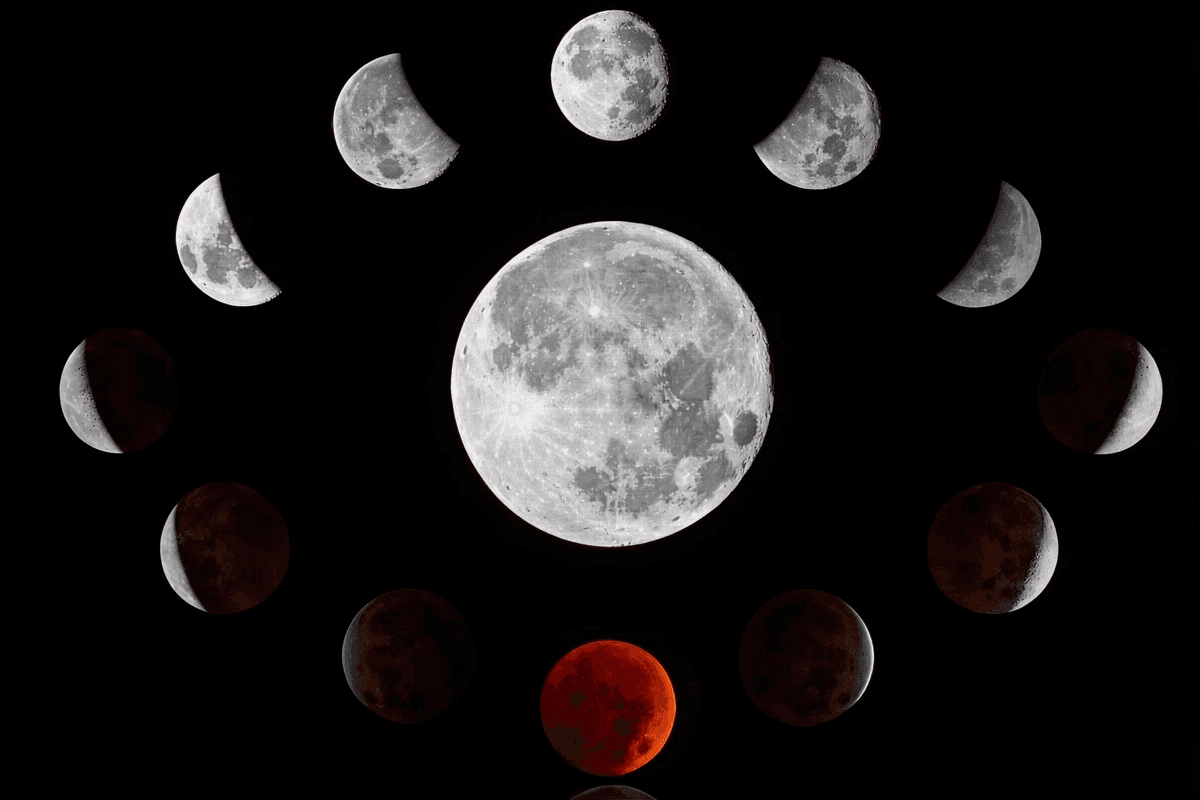
On Wednesday afternoon, the moon passes into Gemini. It's a dry and fruitless sign. Airy and unproductive, but quite suitable for various garden works.
Soil loosening will be effective. Only to the benefit of deep digging of land, its cultivation and mulching, as well as cleaning from plant residues.
The transition of the moon to Gemini is favorable for weeding and cleaning. Good time for sanitary cleaning of the garden and pruning of dry branches.
You can apply mineral and organic fertilizers: now the nutrients are absorbed better and in full.
Spraying plants against diseases and above-ground pests will also be effective. Carefully inspect all landings and, if necessary, carry out processing.
Now you can do the formation of plants. It is good to remove unwanted growth: tops on fruit trees. You can prune and uproot bushes and trees.
But you should not work with roots: disturbed plants can dry. Good time to get some firewood. You can mow the lawn. Probably the last time of the season.
Not the best time to plant and transplant most crops, except curly and giving mustaches, as well as shrubs with long shoots. But the planting of bulbs, which started in August-September, can be continued. And if October is expected to be relatively warm, then even move to its beginning.
After the first frost, cut the dahlias, dig out the tubers, wash them with water, hold them in a solution of potassium permanganate for 15-20 minutes and immediately divide into parts. But so that each tuber was with a piece of the neck, at the very base of which the kidneys are laid. If the dahlias are first dried, then it will be more difficult to separate them. Write with a marker the name of the variety right on the tuber and put them in the barn to form a dense peel. After a week, they can be stored. Tubers are better preserved if each (to avoid loss of moisture) is smeared twice with whipped protein.
Remove the above-ground part of pions, floxes and astilbes. In irises, cut the leaves so that a fan about 15 cm high remains. Immediately after cutting, pour all these landings with a 1% solution of Bordeaux liquid (1 tsp. without top on half a liter of water).
By the end of the month, it would be better to thicken the mulch: rake there healthy (!) foliage. It is time to mulch and perennials in flower beds: so they will be warmer and more comfortable to winter. All cultures, except frankly acid-loving (hydrangeas, rhododendrons, heather, etc.) under mulch it is good to add ash - 1 cup per 1 sq. m.
It should not come close to the trunk of the mulching layer. This is especially critical for stones - they are prone to suppuration of the root neck.
If the weather is warm, then after cleaning the carrots must be cooled, otherwise during storage it will begin to grow greens. Cut the beets so that there is a little above ground part.
Remove cauliflower along with the roots. Then put the plants in a box and send them to the cellar for cultivation. Within a month, the heads will significantly increase in size. You can leave the cabbage on the bed, but then to protect it from possible frost, later cover with double lutrasil.
And, of course, do not miss the best time to clean the root crops. The collected berries, bulbs, vegetables and fruits can be dried or frozen. On the days of Gemini, it is recommended to collect medicinal plants.


