
Milyaev told about the ancient oak tree, survived the disappearance of forests
In the Kimovsky district of the Tula region there is a Razuvaev forest - a small natural monument with an area of only seven hectares
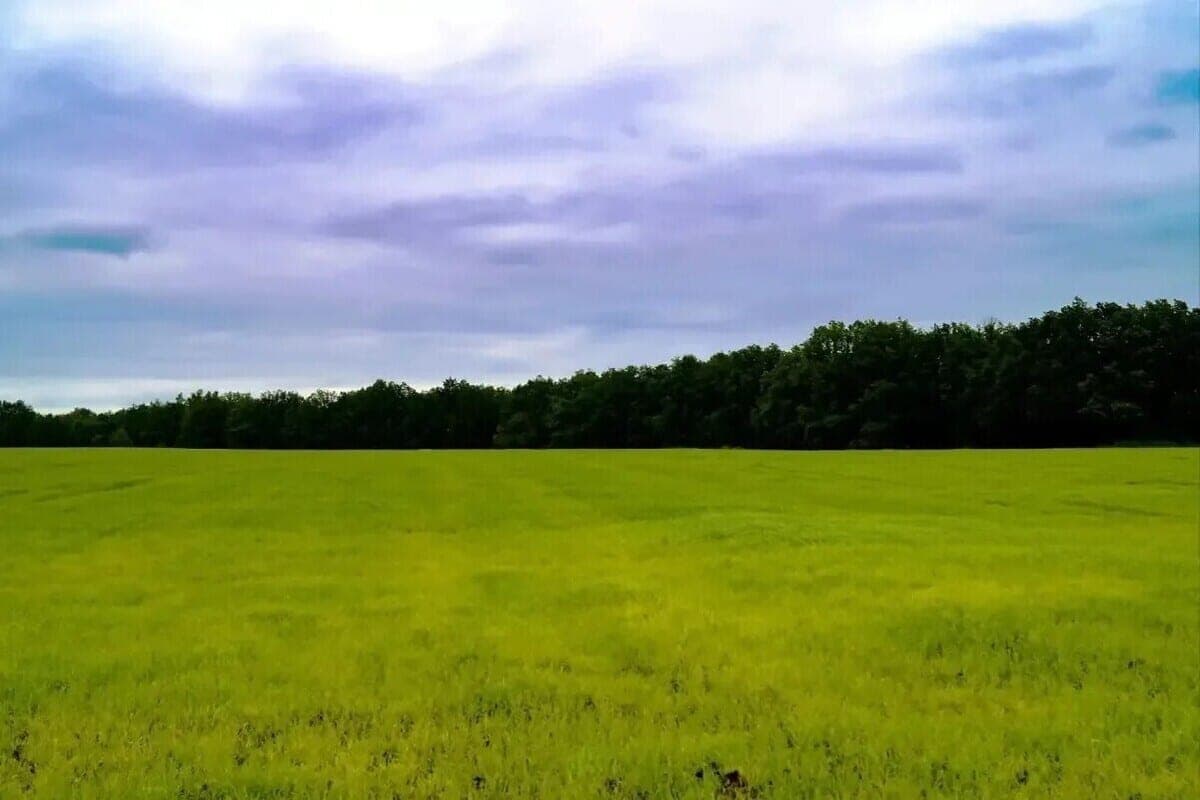
In the Kimovsky district of the Tula region there is a Razuvaev forest - a small natural monument with an area of only seven hectares. This beam oak tree is located on the left bank slope of the Smolka River and is of scientific and environmental value. Such forest areas help to preserve the natural landscapes characteristic of the Kulikovo era. This was reported by the Governor of the Tula region Dmitry Milyaev.
Razuvayev forest is located among agricultural land, where natural forests by the beginning of the XX century largely disappeared. Dubrava survived due to the features of the relief: the steep slopes of the beam were inconvenient for plowing. Today you can see the natural landscape, which is associated with the historical era of Dmitry Donskoy and Mamay.
The beam in which the forest grows has a width of about 30-35 meters, and its bottom is only 3-4 meters. On dark gray forest soils, formed on loess-shaped loam loams, oaks grow 12-15 meters high. The diameter of their trunks reaches half a meter. Together with oaks, there are warty birch, mountain ash and cherry. In the undergrowth grow a barklet warty and a laxative joster.
The teenager is represented by an oak tree, which indicates a natural regeneration of the forest. The crowns of the trees are not closed too tightly, so there is enough light under the canopy.
The vegetation cover of the tract includes pyrethrum shield, dye sickle, spring rank and pea-shaped rank. In some areas of the right slope there is a medicinal hemospheric. There are also places where Tatar honeysuckle and elderberry grow, and among the grass there is bi-homed nettle. On the edges of the forest are thickets of thorn. In the lower part of the beam, they pass into a wet meadow, next to which there is an old dirt road overgrown with tall grasses.
In total, there are 84 species of plants in the flora of the Razuvaev forest. Specialists do not note rare species of plants here, but the natural value of the tract is associated not only with vegetation. The forest is inhabited by insects characteristic of broad-leaved forests and forest meadows, and on the edges there are representatives of the rich entomofauna of the steppe meadows of the Smolka valley.
Among the noted species are the butterfly dove and the tahina fly is large. Sometimes roe deer enter the territory, despite the proximity of the highway.
In the past, the forest experienced a significant anthropogenic load: cattle were grazed here, roads were laid and garbage was left. In recent years, attendance has decreased and human exposure has become less intense. The current state of the oak tree is assessed as satisfactory. At the same time, experts point to its fragmentation and the need to expand at the expense of the meadow steppes of the Smolka valley.
Earlier, "MK in Tula" wrote


