
Is it possible to entrust the composition of the prayers of the neural network? The priest's response
Beautiful phrases from artificial intelligence can replace prayers, but not replace sincerity.
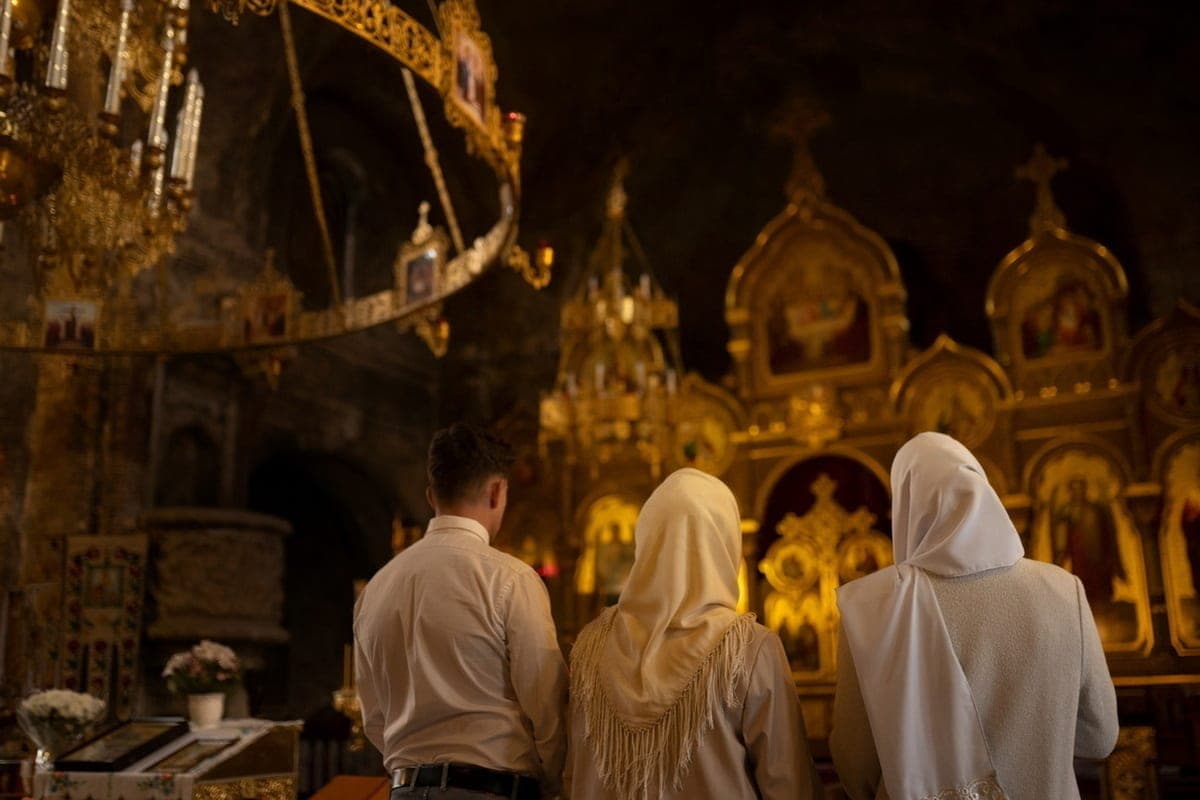
Neural networks already write code, poems and scripts. Now some believers ask them to compose prayers: “Ask the Virgin for health for the child” or “Help keep the family” – and in a second a beautiful, folding text is already on the screen. But will the Lord hear the words generated by a soulless algorithm, and does not living faith become a dry formality?
The rector of the temple, Priest Georgy Ibragimov, reassures: there will be no hellish torments for a request to ChatGPT. There is no church ban on technology today. However, the priest warns that prayer is primarily a personal, sincere dialogue between a person and God. By entrusting the writing to a machine, the believer deprives himself of important spiritual work and voluntarily weakens this connection.
It would seem that many people already read ready-made texts from the prayer book, without writing their own. But the difference is huge. Church prayers have been created for centuries by saints and ascetics, they contain the deepest experience of humility, repentance and gratitude. AI works differently: it simply analyzes datasets and mimics the “church style”, adding Old Slavic turns. Behind the external beauty of phrases there is emptiness. No living faith.
There are more serious, practical risks. The neural network does not understand the intricacies of theology: it can mix Orthodox dogmas with Protestant ones or pass the opinion popular on the Internet for the word of a saint. Moreover, the algorithm, seeking to please the user, can beautifully formulate even a sinful request, for example, for revenge against the offender or the forcible return of the departed spouse, which is contrary to Christian free will.
“Prayer is not a magic spell that is sure to work with the right set of words,” Father George said.


