
Museum without cages: how in the lake live horses, sheep and cats-employees
Museum in this case, the concept is conditional. It's all open air. A kind of skansen. Peeked at the Swedes, but for half a century not put on display, and so live.
Needless to say, the village is no longer the same! However, you can feel its elusive atmosphere in the museum of folk architecture and life. Museum in this case, the concept is conditional. It's all open air. A kind of skansen. Peeked at the Swedes, but for half a century not put on display, and so live. It's like a covenant for each creature. A living corner, let formally - a serious institution.
A museum about how Belarusians lived. And his horse is a living exhibit: do not breathe, do not touch. Look at you, man! A groom is not a full-time job. It is necessary to understand, to find an approach to the horse. Everyone has character. 19 heads - collectible herd.
Artem Yermolovich, researcher at the Belarusian State Museum of Folk Architecture and Life: “151 hectares of Terytori”. Jans on free grazing. Kaneshne, on the kalki of the squirrel. There's a place, if the Yangs are running around, then the people are running around. Well, an extraordinary mare, a horse, a jana two times a Peruvian. There is a place, if all the cards are pagliadzets, asabliva to the summer, then there can be all the bachitsya kola, yakiya to the museum, on the grass of the stvarayuztsa. I'm not going to go to hell, I'm not going to go to hell, I'm going to go to hell. Ian's getting a hot territory.”.
“Ya z’esh himself, and give kanu”, “Shanui kanya at home, and yong qiabe - darose”, “Praz silu and horse are not bäre” – everything is popular, in any courtyard. Reference linear - in one row and hut, and barns of the early twentieth century - from the village of Sadovichi Kopil district. Seems endless.
In the traditional interior today, no one moans, no calves. Exposition, special microclimate - under the law. The cow, by the way, is a lost museum animal: it was, it came out. They would have kept it, but the multiplicity of milking. And for the goat, the shepherd will answer with a fluff.
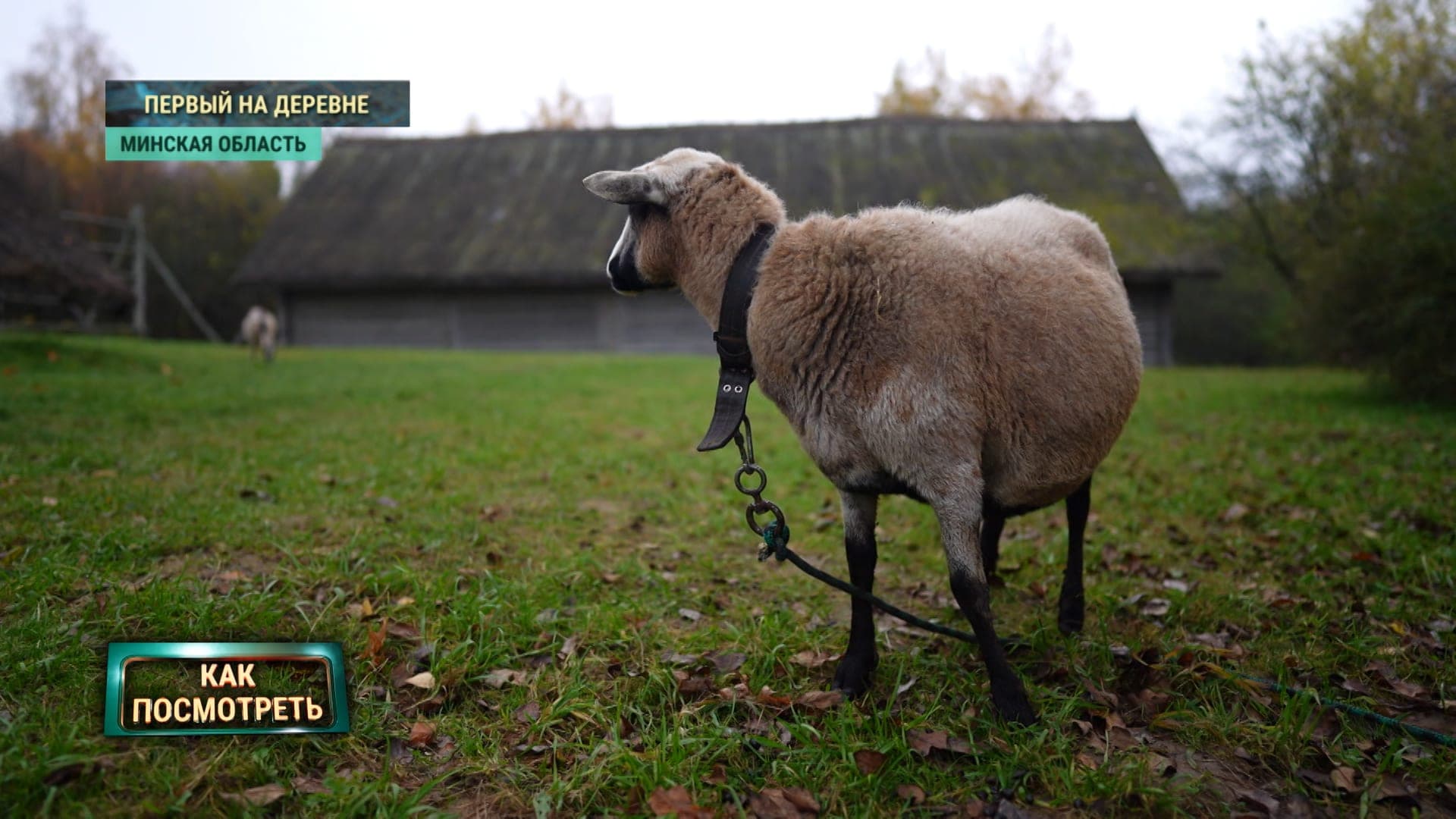
Museum "lamb Sean" is not such a prankster as in the cartoon. The herd is generally grateful and obedient. The estate of the end of the XIX century from the village of Zabrodie of the Stolbtsov district with an open yard - chickens to laugh. For laying hens - a closed (weather) yard of 1919 - Brakov Sloboda of the Chau district. And geese are residents of the exhibition poultry.
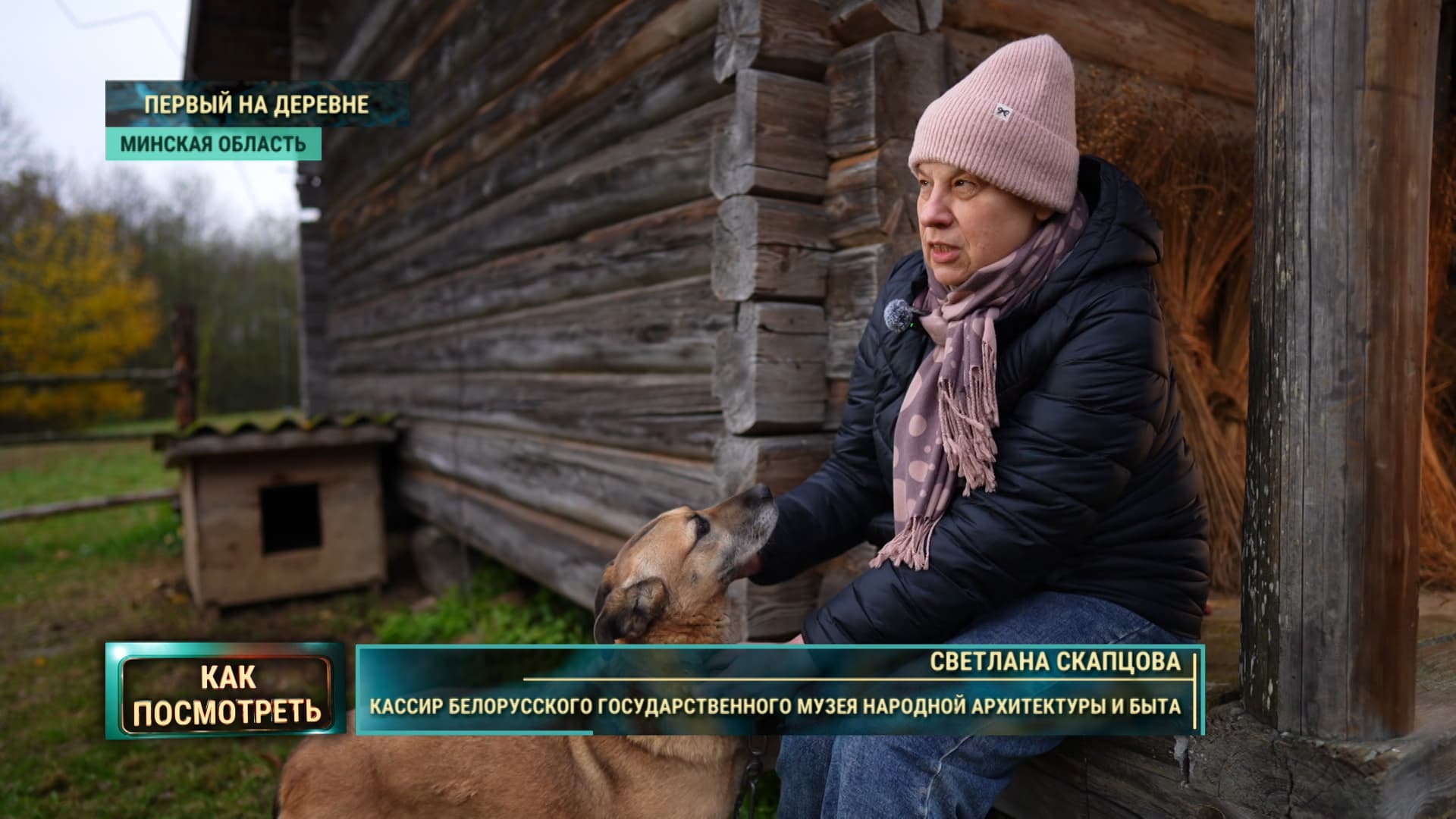
Svetlana Skaptsova, cashier of the Belarusian State Museum of Folk Architecture and Life: No, no! It's not about our dogs. Our dogs can get a little angry if they see someone unfamiliar, someone else. They're mostly kind. And they play their role as a security guard, are in different positions. They always give us a voice, and then we decide whether we should pay attention to it. Because you can't see a person in the distance. Dogs see, dogs feel, dogs understand.”.
Laima is a museum veteran (more than ten years in the service). She is a mother and a faithful friend. You can't buy a breed! Their “home” in the “skansen” found and cats foundlings. "Full employees" is not less than in the Hermitage - from fifty. The most notable pair is Marusya and Red. The address is a hut from the village of Iserna of Slutsk district.
Household museum. They'll stop the horse for a ride. And harness the horse like a grandfather. The director himself is a master class “in the arc”. Saddled soon, but the hands remember. Animals in the "scansen" plough, earn. They buy tons of oats for the winter. All fed up!
Sergey Usyk, Director of the Belarusian State Museum of Folk Architecture and Life: More than six exhibition fields where we grow crops. We do not use a single gram of chemicals. Therefore, animals eat healthy, environmentally friendly food. I'm rural myself. And the soul rejoices that you can translate your knowledge into real actions.”.
Keeping a “wooden country” in check, creating an environment close to natural, is a subtle art. Like finding your horse. Museum of Folk Architecture and Life – already the name obliges to be a living corner. 50 years!


