
At ATOM GLOBAL AI EXPO showed how artificial intelligence will control the farm of the future
Developments for the agricultural sector of the economy are presented at the international forum of artificial intelligence ATOM Global AI EXPO. ...
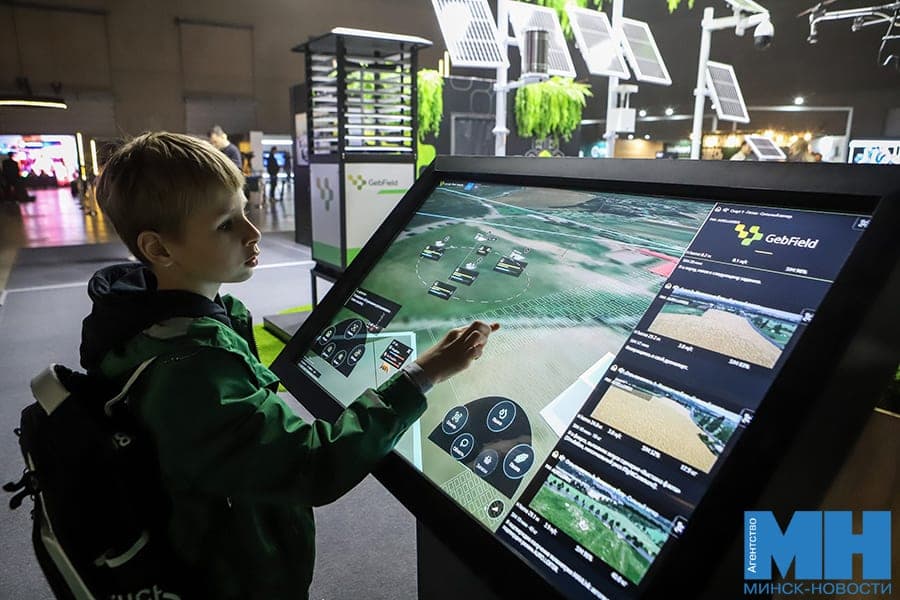
Developments for the agricultural sector of the economy are presented at the international forum of artificial intelligence ATOM Global AI EXPO. Here are sensors, drones and a digital platform designed to make it easier for the farmer. What exactly the developers offer, how it will affect the harvest, when a fully autonomous farm will appear in Belarus - in the material of the correspondent of the agency "Minsk-Novosti".
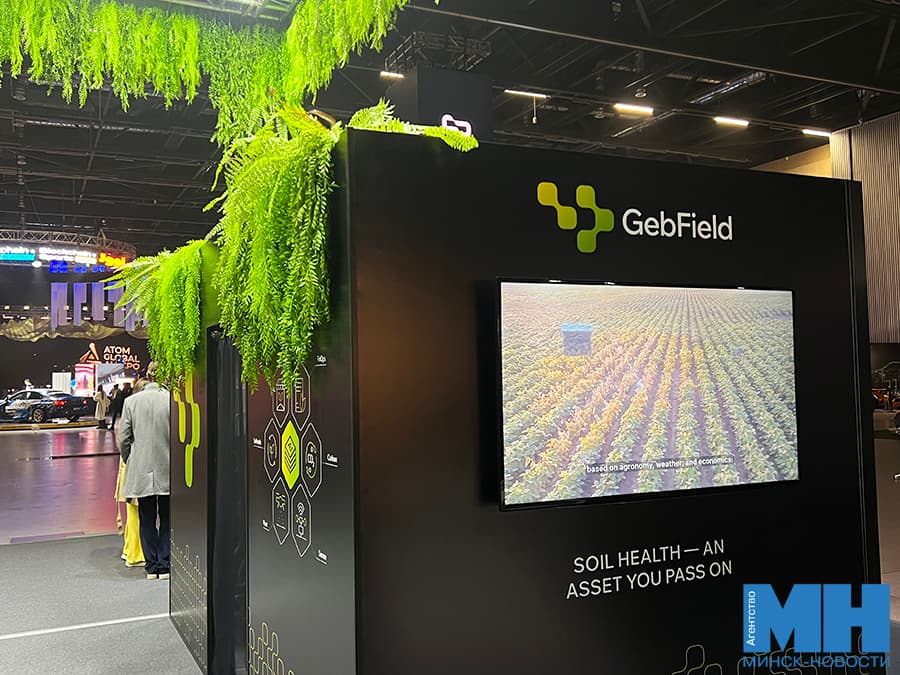
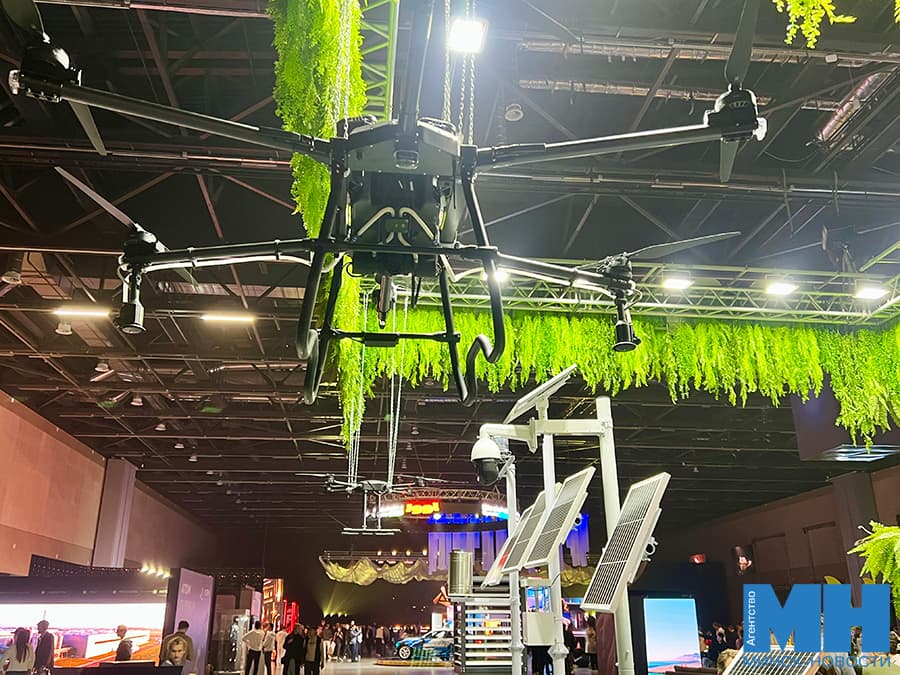
One startup demonstrates a system that consists of two parts: digital and hardware. According to the product manager Mikhail Kuzmenkov, the hardware includes sensors, weather stations and drones. Drones here solve two problems: some fix problems with crops, others - sprayers - immediately eliminate them, bringing plant protection products, pesticides and other drugs. And point by point, not across the field.
In parallel, land-based agricultural equipment is being developed - unmanned tractors on electric traction. First it will be machines for work in the gardens, for example, when cleaning apples: you press a button on the phone - the tractor comes, and the person either inserts baskets or picks up empty ones. That's how logistics are provided. Further, the fleet of such tractors is planned to be brought to the fields - to perform agro-technological operations, for example, by sowing seeds using no-till technology, without plowing. This is a crucial point: developers are betting on regenerative agriculture.
Part of the development has already been tested, but a lot is only being presented on the site – there is still a lot to do.
- We plan to create a fully autonomous carbon-neutral farm, where a person will be a human on the loop, that is, an observer: the system proposes a solution, and he confirms or rejects it. The first introductions have already taken place. Next, we plan to launch them every year, and in 2030 to make a fully autonomous farm, Kuzmenkov said.
At the same time, replacing a person is not completely going to. The goal is to increase labor productivity and attract young cadres who will be interested in working with such tools: to manage technology through artificial intelligence. In the digital part, a multi-agent system is responsible for this. There is an agent orchestrator who selects tools for the implementation of practices, helps to buy seeds of the right crops, prepares project documentation for climate projects, for applying for grants and world support.
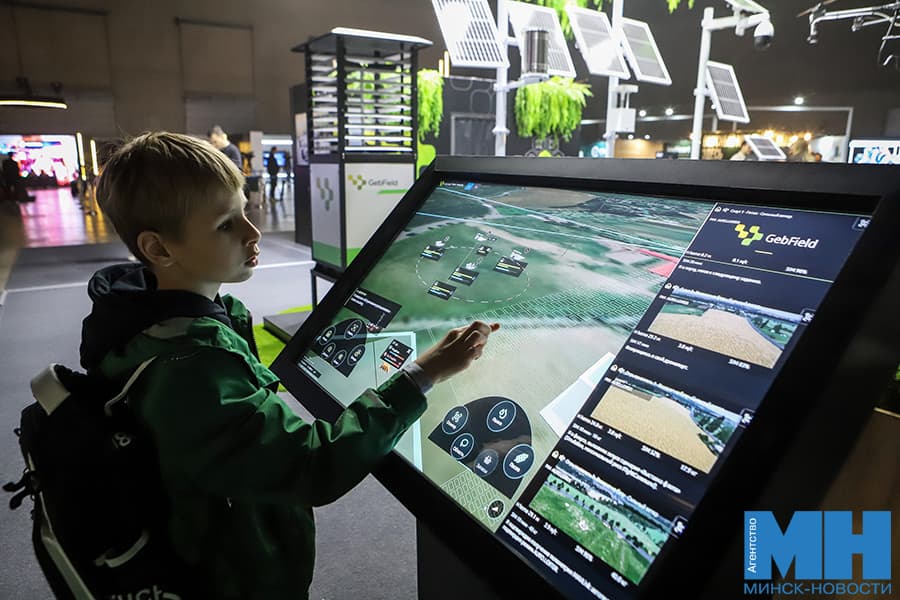
A separate module is a carbon broker. It works with carbon: regenerative agriculture stores organic carbon in the soil, which is natural fertility. A farmer who reduces emissions by applying precision fertilizers and using drones receives carbon units, an intangible asset equal to one ton of CO2 removed from the atmosphere.
- Artificial intelligence analyzes technological maps, determines the baseline for the past 5-10 years, evaluates the practices of the farmer and makes recommendations: what to do differently, where to sow cover crops to improve soil health. And also to appear predatory insects - ladybugs, ticks and other entomophagi that will devour pests. Thus, the farmer will save money on pesticides, Kuzmenkov explained.
Photo by the author and Sergey Pozhi


