
Folk signs: what not to do Volgograd on November 13, on Nicodemus day
On November 13, Orthodox believers honor the memory of the Monks Spiridon and Nicodemus, monks of the Kiev Caves Monastery, who became famous in the XII century for their pious life and long-term service to God
In the popular calendar, this date is known as Spiridon and Nicodemus, in everyday life it was also known as Nicodemus Day and Half-Day.
According to tradition, on this day they brought home water consecrated in the church, and sprinkled it with residential premises and outbuildings. Especially carefully handled the oven, because in winter, the heat in the house and the safety of all residents depended on its serviceability.
By mid-November, peasants were eager to complete basic preparations for the cold, so the owners put in order the stoves, insulated windows and doors, and took care of poultry.
In particular, on Nicodemus day it was customary to transfer chickens from summer pens to warm chicken coops, in which crevices were sealed, walls were insulated and floors were covered with straw or hay. Young chickens were separated from old ones and the strongest and healthiest birds were selected for further maintenance. Weak and old chickens, which were threatened with death in the cold, went to slaughter.
The men from dawn went fishing and hunting, because Nicodemus was considered the patron of the fish and believed that on his day the catch will certainly succeed.
Women, meanwhile, went around the corners of the hut with a candle and holy water, banishing troubles and protecting the house from fire, and then began to prepare a festive family meal.
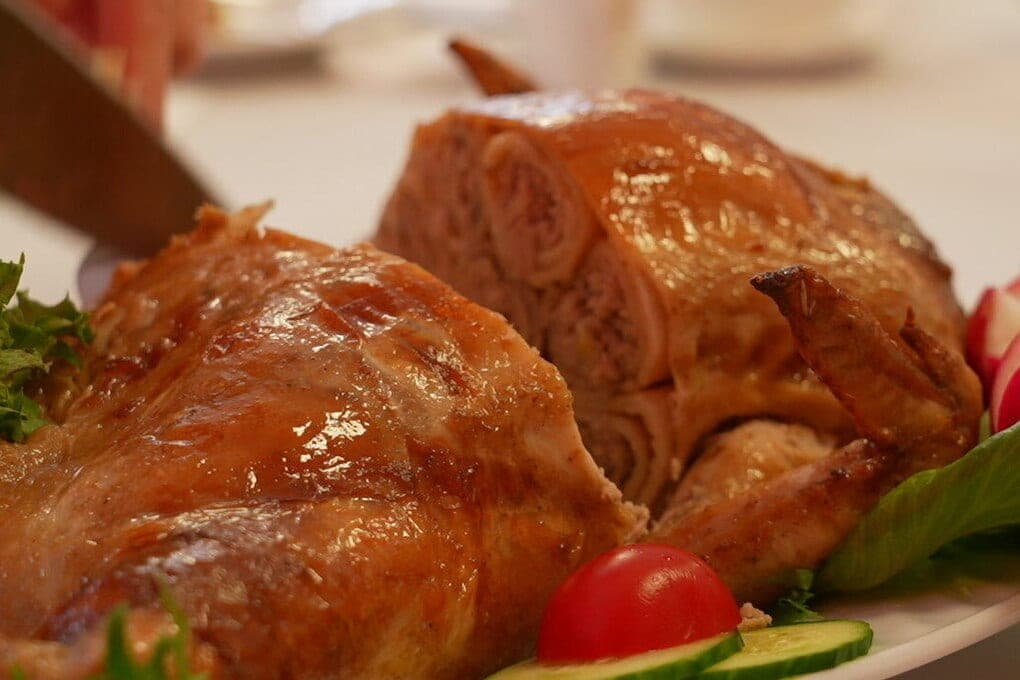
On the table, they served rich noodles with chicken meat, roast and patties, baked a bird with vegetables.
One of the main treats was a chicken - a large pie filled with chicken meat, eggs and onions. It was served hot and shared among all family members. The round shape of the cake symbolized the sun and prosperity, and the hearty filling promised the house prosperity for the whole winter.
It was believed that chicken dishes eaten on November 13 will bring happiness to the household.
A number of prohibitions were associated with Nicodemus Day, which they tried to observe so that luck, prosperity and prosperity did not leave the house.
It was impossible to kindle a fire, because they believed that you can easily get burned, and with the flame in the house will come trouble. Under the ban were hard work, cleaning, washing and needlework.
They did not cut their hair so as not to cause illness and trouble, and did not make large purchases that promised failure and financial losses. They did not lift other people's buttons from the ground, because with them you could take the evil eye or damage intended for another person.
It was also impossible to appropriate the money found, since such coins and bills promised trouble, and they were preferred to give to those in need. They did not lend or borrow for fear of new monetary difficulties and the fact that it would be difficult to repay the loan.
Arguments with loved ones and scandals were also prohibited, since disagreements that arose on Nicodemus day for a long time disturbed family peace.
On this day, we watched nature. The first snow promised the arrival of the real winter in exactly 40 days, and the snow foreshadowed the cold season.
Brightly smoldering coal in the furnace warned of bad weather, crows promised warming, and rain and bad weather were considered a good sign for the future harvest.


