
Folk signs: what not to do Volgograd on November 21, on Mikhailov day
On November 21, the Orthodox celebrate the Council of Archangel Michael and other Heavenly Bodiless Forces. This holiday is one of the non-transitory: its date remains unchanged annually. It appeared in the fourth century
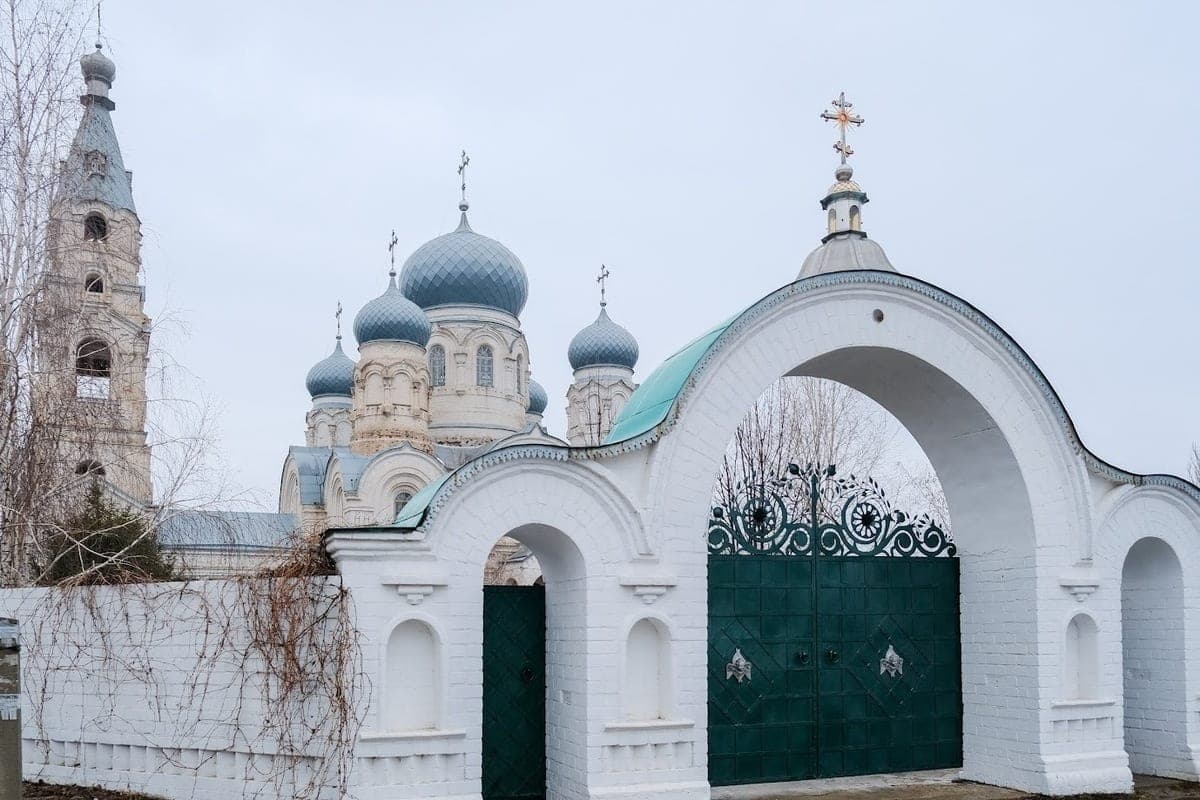
In folk tradition, the day was called Mikhailova. There is another name – “Mikhailov mud”. It is associated with the typical weather for this time: often began a thaw, the roads became wet and dirty.
There are many customs and restrictions associated with the holiday. In the morning, believers began by visiting the temple and praying. People believed that the appeal to the heavenly forces on this day has a special power.
An important place in the tradition was occupied by family feast. The hosts cooked meat dishes, kale pies, mushrooms and fish, put drinks on the table. For food gathered relatives and neighbors. It was believed that Mikhailov’s day was the right time for reconciliation, so long-standing grievances were tried to leave behind.
There was also a custom to appease the courtyard - the spirit, which, according to legend, was entrusted to protect the economy. The hostess took to the barn a treat: a bowl of porridge or milk. The owner, meanwhile, held a strip of tar in the yard, marking the boundary of the possessions of the spirit. People believed that without such a ritual, the yard could leave the house, and this threatened to kill livestock.
What bans existed on November 21
One of the people's warnings was about sharp objects. In Mikhailov day tried not to use knives, axes and needles. According to legends, the archangel Michael on this day went around the world with his army, and his main weapon was the sword. Therefore, working with sharp objects was considered undesirable: they believed that it could anger the heavenly patron and cause trouble.
Another ban was on washing the head. People say that with water, a person can wash away his mind and luck. Girls were not advised to braid braids, as this, according to signs, could delay marriage.
Nor were quarrels welcomed. Volgograders who adhere to folk traditions were advised not to swear, not to conflict and not to wish evil to others. It was believed that quarrels on this holiday can turn into long troubles and losses.
It is also not recommended to spend the day alone. Mikhailov’s day was perceived as a family holiday, so solitude was associated with the risk of being left without the support of loved ones in a difficult moment throughout the next year.
Folk weather signs
Weather on November 21 judged about the coming winter. Morning frost was considered a harbinger of snowy winter. Clear skies promised the imminent onset of severe frosts, and frozen puddles predicted a cold December.


